As an Amazon Associate, we earn from qualifying purchases. Some links on this site are affiliate links at no extra cost to you. Our recommendations are based on thorough research and editorial judgment.

Why Sweat-Wicking Fabric Makes Better Workout Clothes

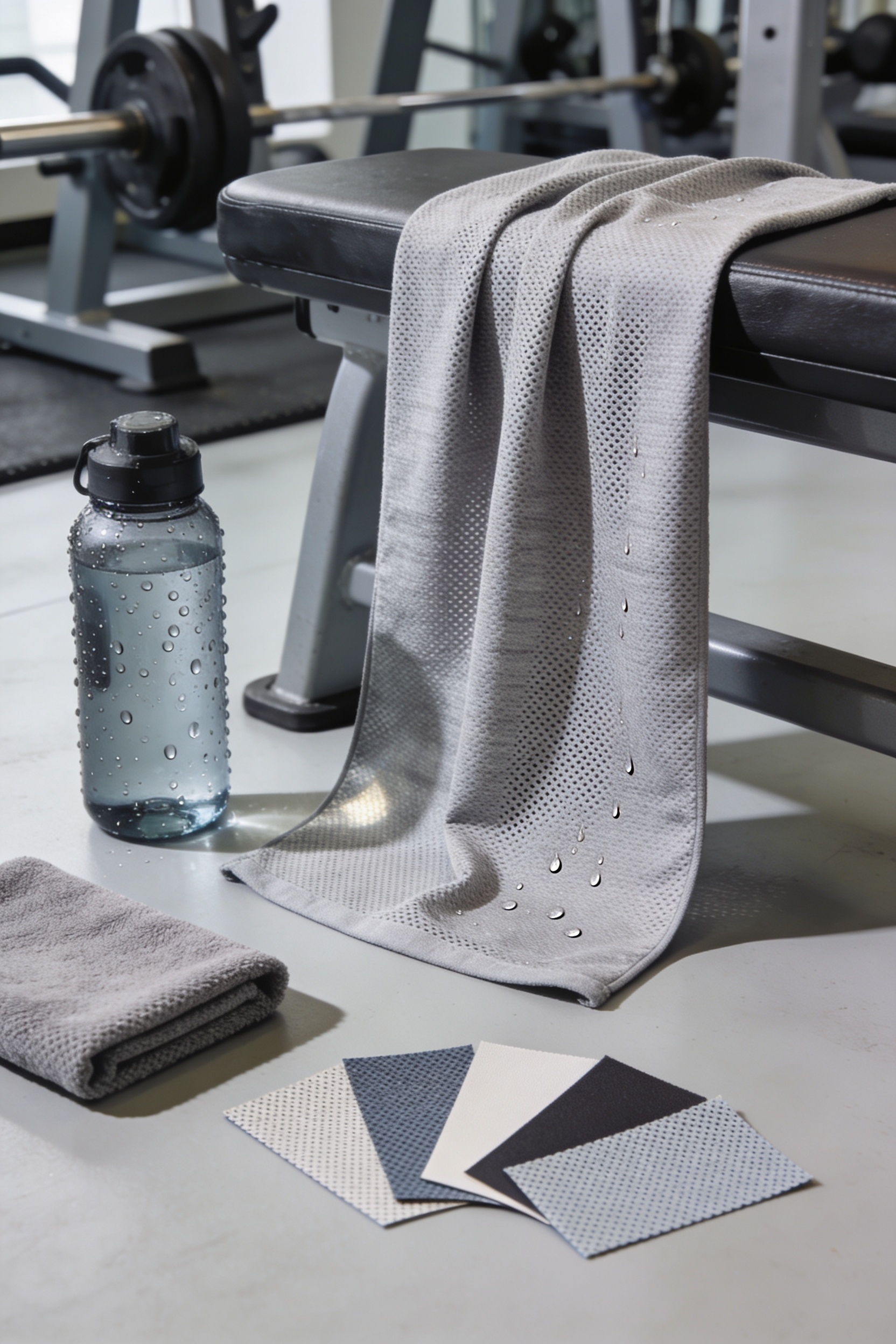
Look, I’m sure you’ve noticed cotton clings to your skin like a wet towel the moment you start sweating, right? Moisture-wicking fabrics work differently—they use capillary action, those tiny channels in the material that basically work like straws, pulling sweat away from your skin toward the outer surface where it evaporates faster. Synthetics dry 40-60% faster than cotton, which means you’re not lugging around extra weight, fighting chafing, or wasting energy on discomfort. Your body actually cools more efficiently, your endurance improves, and honestly, you just feel better. Turns out there’s real science behind why you’re not drowning in your own shirt.
Key Takeaways
- Capillary action transports sweat away from skin to the fabric surface for faster evaporation and cooling.
- Moisture-wicking fabrics dry 40–60% faster than cotton, preventing heaviness and cling during workouts.
- Reduced chafing and clammy fabric friction boost endurance by conserving energy for exercise performance.
- Quick-drying synthetic blends maintain consistent performance across seasons without requiring frequent wardrobe changes.
- Superior moisture management supports stable body temperature and electrolyte balance during high-intensity activities.
How Moisture-Wicking Fabric Actually Moves Sweat Away
All right, so here’s the thing about moisture-wicking fabric that I’m sure you’ve noticed if you’ve ever worn the good stuff versus, say, a cotton t-shirt to the gym—it doesn’t just sit there absorbing your sweat like a sponge waiting to get heavy and gross. What’s actually happening is the fiber alignment and pore gradient work together to transport moisture from your skin outward. The fabric’s got these tiny capillary spaces arranged strategically, so sweat moves through them via surface tension rather than soaking in. You get moisture traveling from the inner layer where you’re sweating buckets toward the outer surface where it can evaporate faster. Products like Halo headbands use SweatSeal technology to prevent sweat from obstructing your vision during intense workouts. It’s basically physics doing the heavy lifting instead of your fabric acting like a wet towel clinging to your body all workout long.
Why Cotton Fails and Synthetic Fabrics Work Better
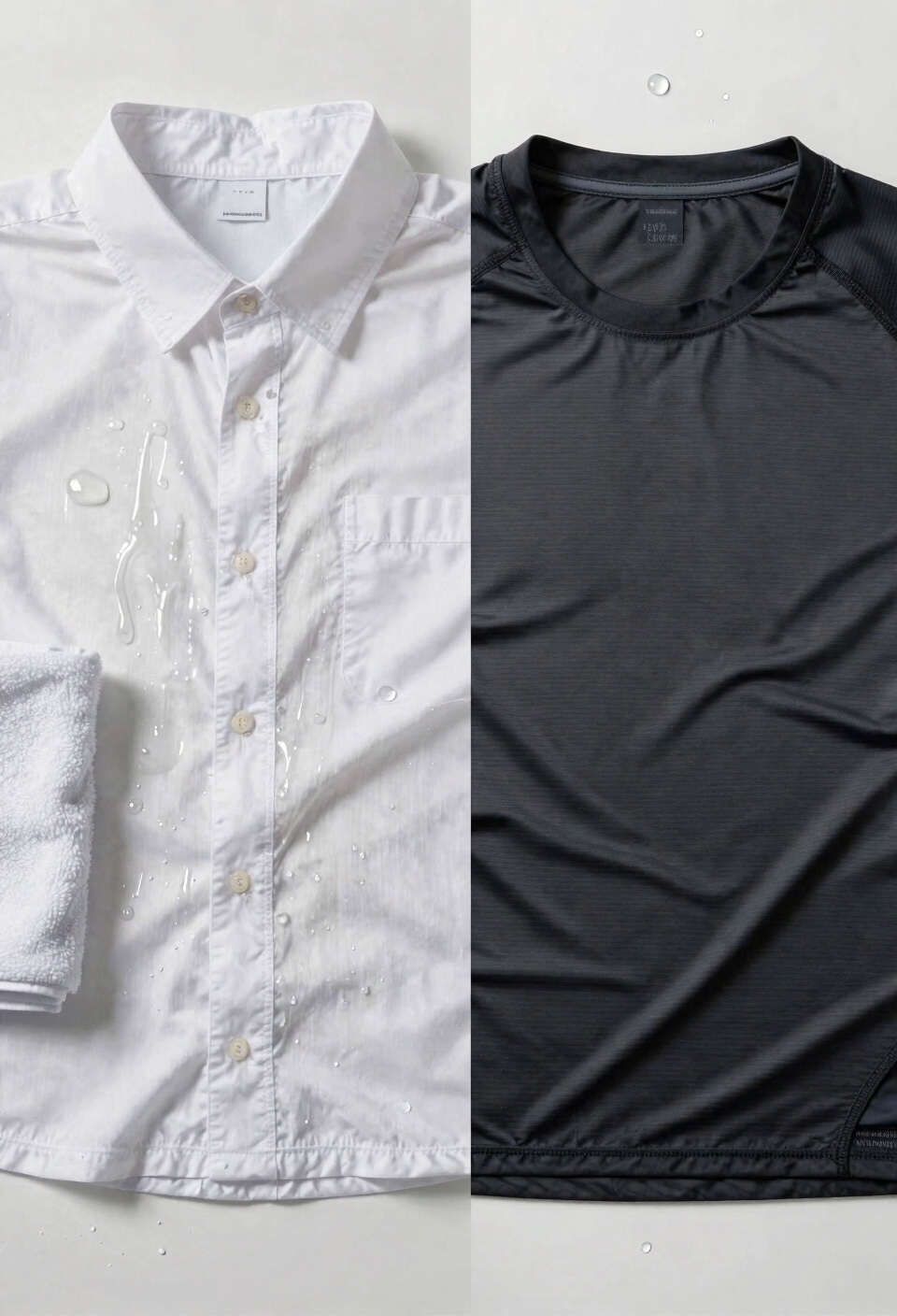
Now, here’s where cotton really shows its age—and I mean that literally, because wearing a cotton gym shirt feels like you’re exercising in yesterday’s laundry. I’m sure you’ve noticed how cotton just absorbs your sweat and hangs onto it like a grudge, turning your shirt into this heavy, clingy mess that actively works against you. The fiber breathability drops the moment moisture hits it, which defeats the entire purpose of wearing anything at all.
Synthetic fabrics, though? They’re engineered differently. They actively push moisture away instead of trapping it, which means you stay drier and your garment durability actually lasts longer since you’re not constantly stress-testing seams with waterlogged fabric. Materials like four-way stretch fabrics with moisture-wicking properties are specifically designed to keep sweat from accumulating on your skin and clothing. Cotton gets heavier, slower, and basically becomes your workout’s worst enemy.
How Moisture-Wicking Boosts Endurance and Recovery
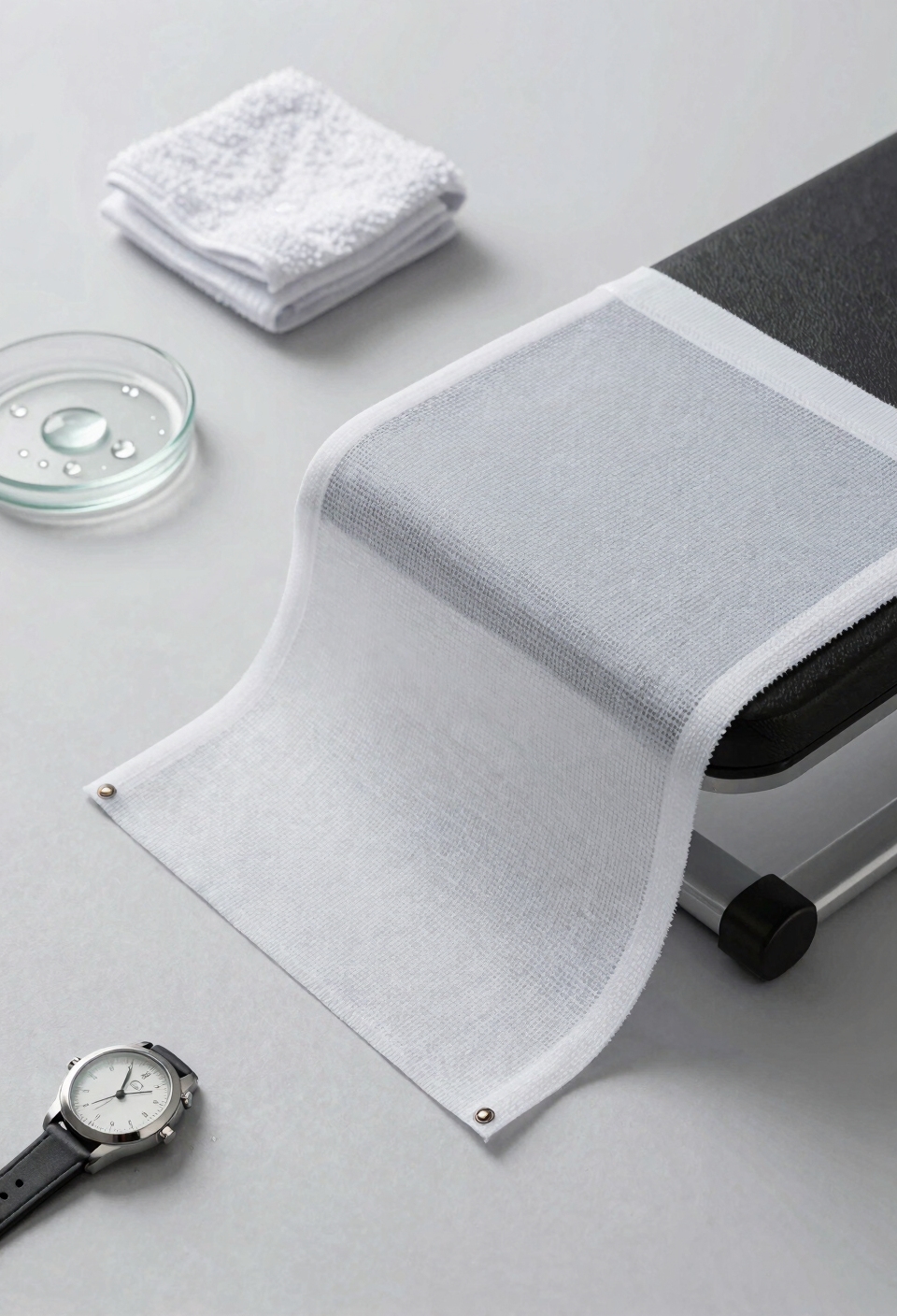
Once you understand that synthetic fabrics keep you dry instead of drowning you in your own sweat, the real magic happens—you’ve got more gas in the tank when it matters most. I’m sure you’ve noticed how cotton-soaked workouts leave you feeling like a wrung-out dishrag by mile two. Moisture-wicking changes that equation entirely. Your body stops wasting energy fighting against clammy fabric, which means better mental resilience when things get tough. You maintain electrolyte balance more effectively because your skin stays in contact with your body’s natural cooling system rather than trapped moisture. Basically, you recover faster between sets, push harder on the next round, and actually enjoy the process instead of suffering through soggy misery. Fabrics like bamboo can hold up to three times their weight in water, making them exceptionally effective at pulling sweat away from your skin during intense exercise.
Dry Skin, Less Chafing, Better Focus During Workouts
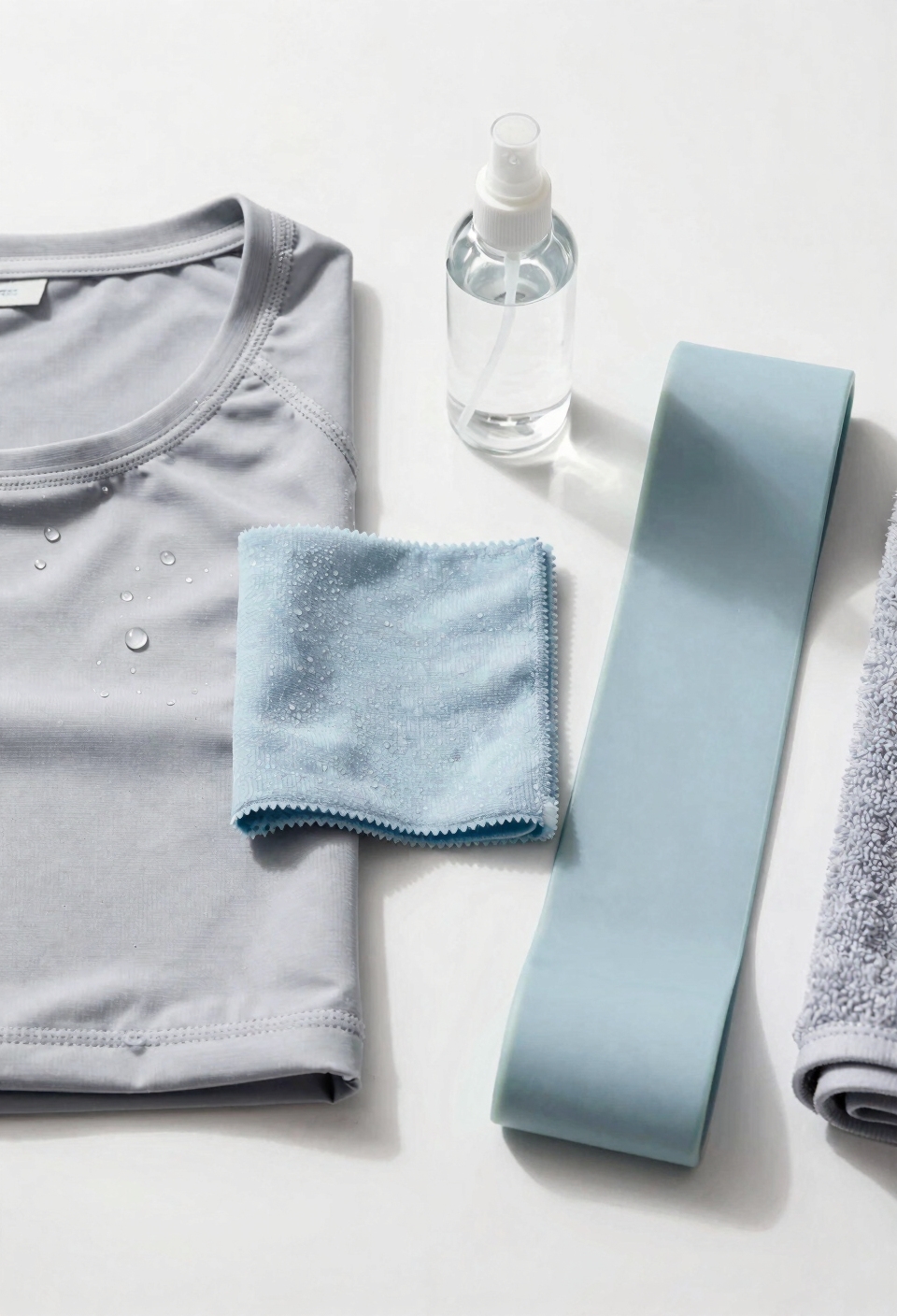
When you’re grinding through a workout in moisture-wicking gear, your skin stays dry enough that you can actually focus on what matters—the work itself—instead of being distracted by that maddening itch where your shirt’s been rubbing against your shoulder for the last ten minutes. I’m sure you’ve noticed how cotton soaks up sweat like a sponge, creating this heavy, clingy mess that turns into a friction machine against your skin. Moisture-wicking fabrics eliminate that problem through dry comfort and friction reduction, keeping you comfortable instead of raw. Fabrics with 15-20% spandex blend ensure the flexibility and stretch needed to move freely without binding. Your mind stays locked on your performance rather than cataloging every spot where your clothes are irritating you. All right, that’s not some minor thing—it’s genuinely the difference between crushing a workout and just surviving it.
Why Moisture-Wicking Works: The Capillary Action Explained
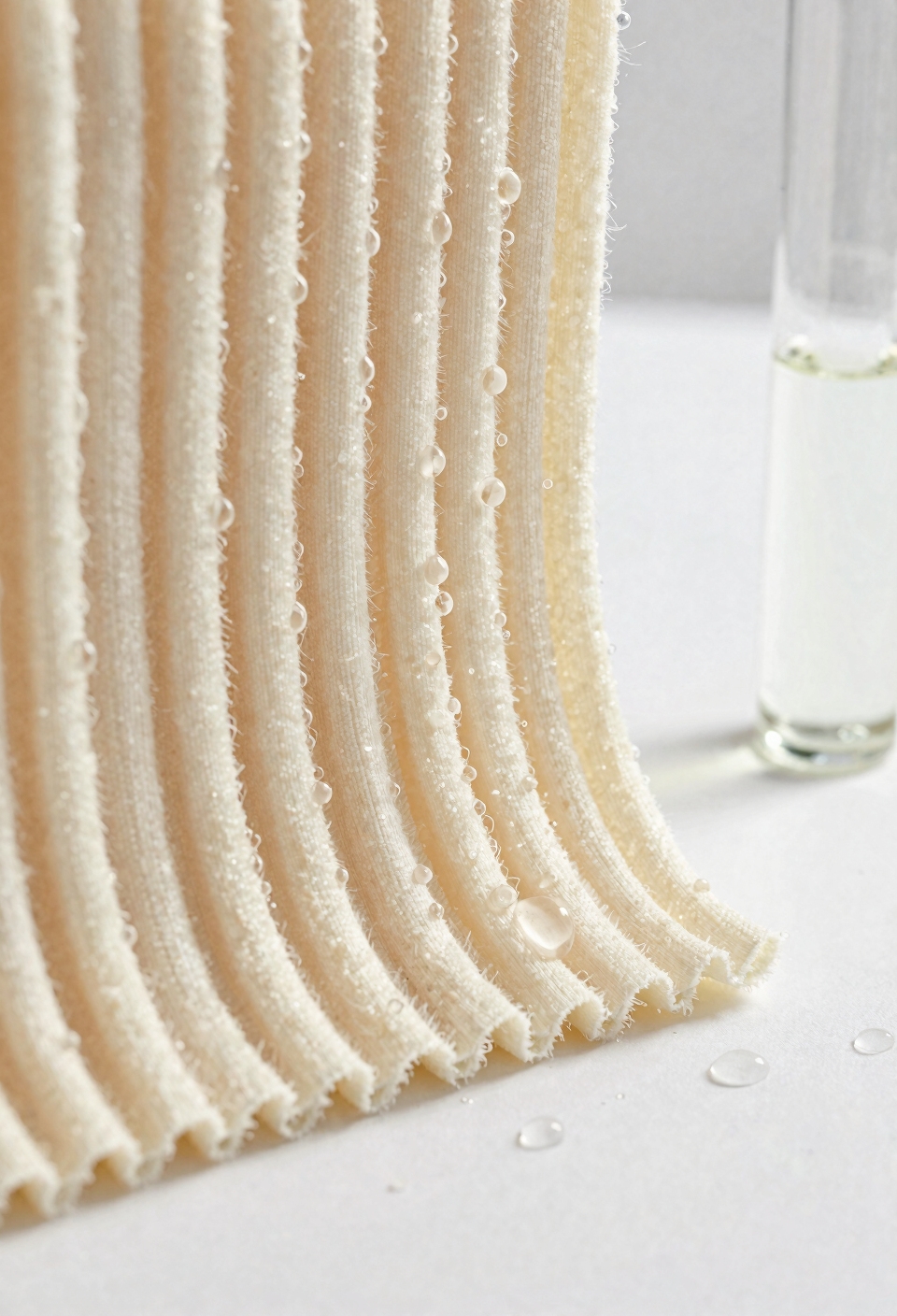
So here’s the thing—knowing that moisture-wicking keeps you dry is one thing, but understanding *how* it actually pulls sweat away from your skin is where the magic happens, and honestly, it’s way cooler than you’d think. It all comes down to the fabric’s microcapillary structure, basically thousands of teeny channels woven throughout the material that work like tiny straws. Your sweat doesn’t get absorbed; instead, surface energy dynamics pull moisture toward those capillaries, moving it from your skin outward through the fabric layers. I’m sure you’ve noticed how quickly it evaporates once it hits the outer surface—that’s capillary action doing its thing. The whole system works because the fabric’s designed to prioritize movement over storage, which is precisely why you’re not walking around feeling like a wet dishrag. Materials like merino wool excel at this process because their natural fiber structure enhances moisture management while simultaneously regulating your body temperature.
Which Activities Benefit Most From Moisture-Wicking Wear?
Through the lens of sweat production and heat management, you’ll find that moisture-wicking fabrics aren’t equally beneficial for all activities—they’re genuinely transformative for some and, well, nice-to-have for others. I’m sure you’ve noticed that running in cotton feels like wearing a wet blanket, whereas weightlifting sessions? You can honestly get away with it. But here’s the thing: water sports are where moisture-wicking becomes non-negotiable. You’re already saturated, so you need fabrics that dry fast and don’t drag you down. All right, endurance activities—cycling, distance running, intense circuits—these are your moisture-wicking sweet spots. Your body’s working overtime, heat’s building, and you need that capillary action doing the heavy lifting. The combination of quick-drying polyester or nylon blends ensures that aqua workout clothes maintain their performance during extended water activities while preventing the discomfort that comes from prolonged moisture exposure.
Temperature Control for High and Low-Intensity Exercise
Your body’s thermostats work overtime at different intensities, and here’s where sweat-wicking fabrics prove they’re not just one-trick ponies—they’re actually playing two different games depending on what you’re throwing at ’em. When you’re sprinting or doing circuits, you’re generating serious heat, and moisture-wicking materials handle thermal adaptability by rapidly moving sweat away before it pools and overheats you. But here’s the thing I’m sure you’ve noticed—during lower-intensity stuff like yoga or easy walks, your body doesn’t need aggressive cooling. That’s where the magic happens differently. These fabrics trap still air against your skin, actually slowing heat loss to support recovery without the chill factor. It’s sweat redistribution working smarter, not harder, matching your effort level perfectly. Linen’s natural ability to absorb up to 20% of its weight in moisture makes it particularly effective at managing sweat across both high and low-intensity workouts while maintaining breathability.
Moisture-Wicking Performance Across Climates and Seasons
When you’re dealing with weather that refuses to cooperate—humidity that makes you feel like you’re swimming through air, or bone-dry cold that’ll crack your lips—sweat-wicking fabrics don’t just shrug and give up like cotton would. I’m sure you’ve noticed how your performance tanks when your clothes can’t keep up with seasonal changes. That’s where seasonal adaptability kicks in. These fabrics maintain consistent moisture-wicking whether you’re running through summer humidity or tackling winter altitude performance where the air’s thin and your body works harder. The capillary action that moves sweat away from your skin doesn’t care what season it is—it just does its job. You get stable performance year-round, which honestly beats chasing different wardrobes constantly. For high-intensity exercises, moisture-wicking properties are essential to maintaining comfort and preventing the buildup of sweat that can weigh you down and reduce your workout effectiveness.
Moisture-Wicking vs. Cotton: When to Choose Each
I’m not gonna sugarcoat it—trying to pick between moisture-wicking fabrics and cotton is like choosing between a sports car and a minivan, because honestly, they’re built for completely different jobs. Now, I’m sure you’ve noticed that cotton feels amazing when you’re lounging around, but the second you break a sweat, it becomes a soggy mess clinging to your skin. Moisture-wicking pulls that sweat away fast, keeping you dry and focused.
Here’s the thing though—cotton’s cheaper upfront and easier on your laundry care routine. Moisture-wicking costs more but lasts longer and performs way better during intense workouts. In fact, high-quality materials dry 40-60% faster than standard options, which means you’ll stay comfortable throughout your entire session. Cost comparison aside, when you’re actually moving, moisture-wicking wins every single time. Save cotton for the couch.
Frequently Asked Questions
How Often Should I Wash Moisture-Wicking Clothes to Maintain Their Performance?
I’d recommend washing your moisture-wicking clothes after every wear to maintain peak performance. Regular wash frequency prevents odor buildup and preserves the fabric’s wicking capabilities, ensuring they’ll keep working effectively for your workouts.
Are Moisture-Wicking Fabrics More Expensive Than Traditional Cotton Athletic Wear?
Yes, I’ll tell you they’re pricier. Cost drivers include advanced fabric technology and manufacturing. However, you’ll find the price comparison worthwhile—like a Victorian gentleman investing in quality—since they’re more durable and perform better than cotton.
Can Moisture-Wicking Fabric Cause Allergic Reactions or Skin Sensitivity Issues?
I’d say most moisture-wicking fabrics don’t cause issues, though you might experience skin reactions from fabric dyes or allergenic finishes. If you’re sensitive, I’d recommend testing for contact dermatitis before intense workouts.
How Long Do Moisture-Wicking Garments Typically Last Before Losing Effectiveness?
I’ve found that most moisture-wicking garments retain peak performance for 200-300 wears. Longevity estimates vary based on maintenance factors like washing frequency and fabric quality. You’ll extend their lifespan markedly by air-drying instead of using heat.
Is Moisture-Wicking Fabric Suitable for People With Sensitive or Eczema-Prone Skin?
Yes, I’d recommend moisture-wicking fabrics for sensitive skin. Look for sensitive friendly blends combining natural fibers like merino wool. They’re gentler than cotton. For eczema care tips, I’d suggest testing patches first and choosing hypoallergenic options.
Conclusion
Look, here’s the thing—you’ve probably already felt the difference between peeling off a cotton shirt that’s basically a wet diaper versus one that’s actually dry after a workout. That’s not magic, that’s science doing its job. So yeah, if you’re serious about staying comfortable while you push yourself, moisture-wicking isn’t optional anymore. Your skin—and your gym buddies—will thank you.