As an Amazon Associate, we earn from qualifying purchases. Some links on this site are affiliate links at no extra cost to you. Our recommendations are based on thorough research and editorial judgment.

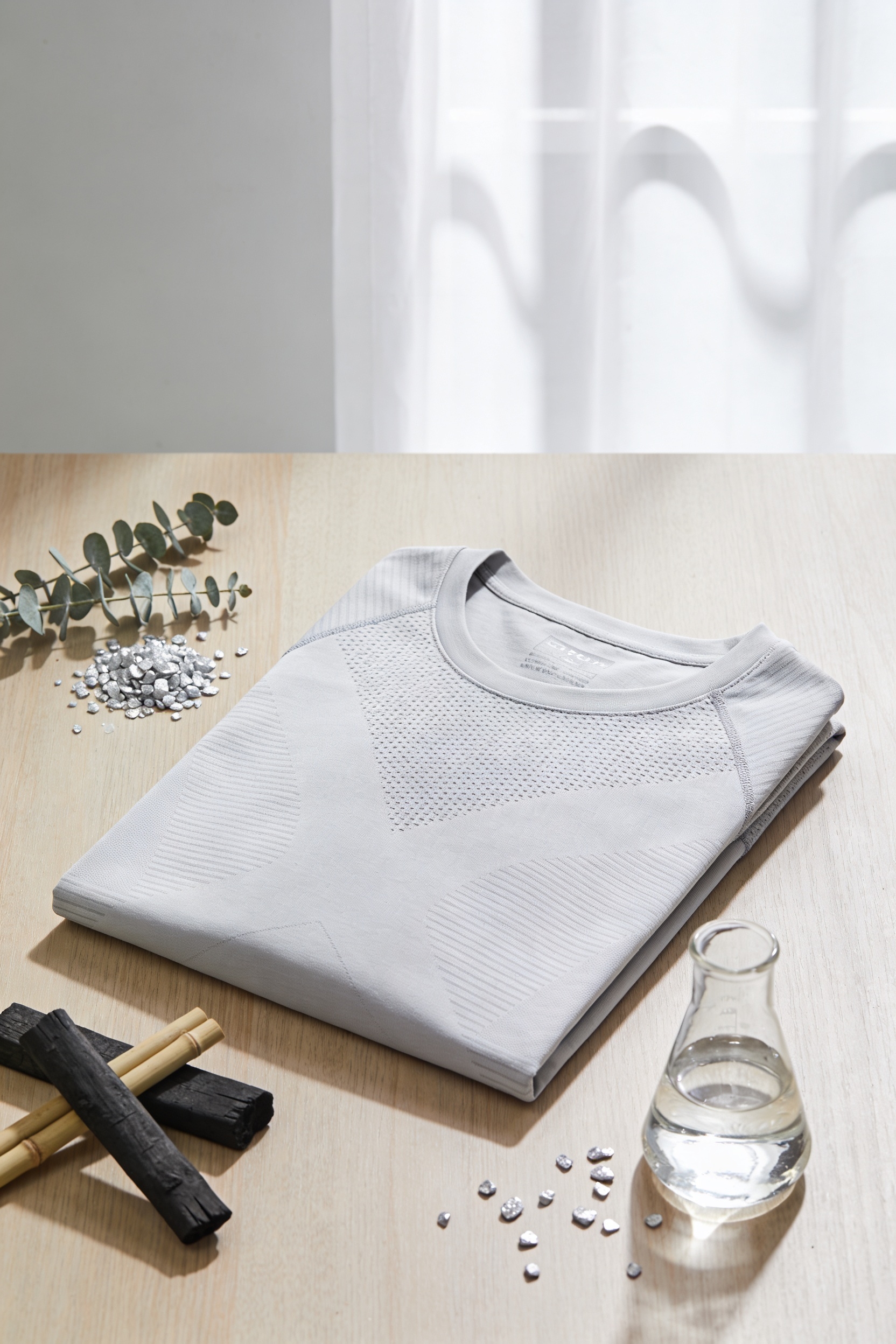
What Makes Gym Clothes Fight Bacteria Naturally?

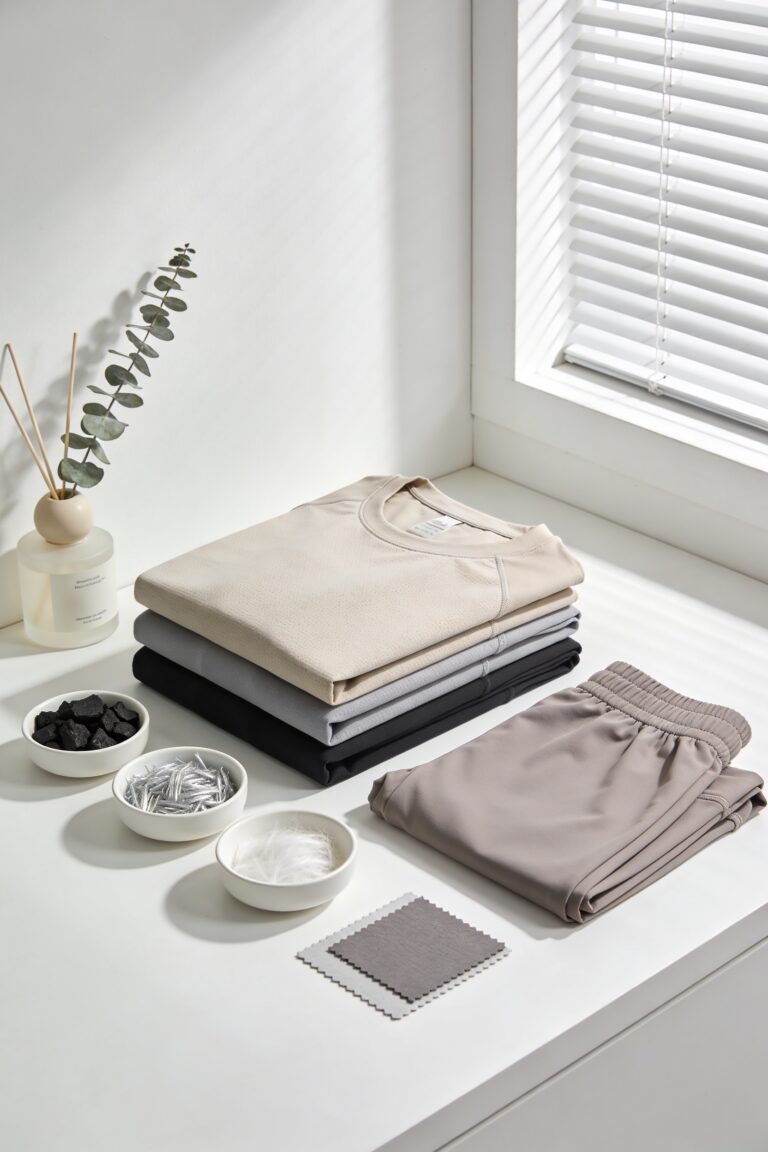
I’m sure you’ve noticed polyester gym clothes smell like a locker room crime scene within hours—that’s because the rough surface traps bacteria while poor airflow keeps everything damp and festering. You want TENCEL Lyocell or bamboo viscose instead; their smooth fibers literally prevent bacteria from gripping, and they wick moisture away so your skin stays dry. Now, throw in moisture management with either natural enzyme detergents or embedded silver ion technology, and you’ve got gear that actually stays fresh. Obviously the fabric matters most, but how you wash it? That changes everything.
Key Takeaways
- Smooth fiber surfaces like TENCEL Lyocell and bamboo viscose prevent bacterial adhesion better than textured polyester.
- Rapid moisture wicking keeps skin drier, eliminating the damp conditions bacteria need to multiply and cause odor.
- Natural fibers with superior airflow dynamics reduce bacterial food sources by preventing sweat accumulation on skin.
- Merino wool offers inherent natural odor resistance, reducing bacterial growth without requiring frequent washing cycles.
- Cellulosic fiber structure in bamboo viscose creates a less hospitable environment for bacterial colonization than synthetic fabrics.
Why Polyester Smells and Which Fabrics Win
I’m sure you’ve noticed—that gym shirt you threw in the wash still smells like a locker room even after coming out of the dryer, and honestly, it’s not really your fault. Polyester traps bacteria like a sponge traps water, creating synthetic buildup that regular washing barely touches. You’re basically wearing odor hotspots disguised as performance fabric. The problem? Poor airflow dynamics mean sweat and bacteria party together in those fibers, multiplying faster than you can say “I’ll wash it tomorrow.” Now, fabrics like TENCEL Lyocell and bamboo viscose actually work against this. Their smoother surfaces prevent bacterial adhesion while maintaining superior breathability. Bamboo fabrics can hold up to three times their weight in water, providing excellent moisture-wicking properties that leave bacteria without the damp environment they need to thrive. Better airflow dynamics equal drier skin, which means less bacterial food. It’s not rocket science—it’s just fabric science, and it’ll extend your wear longevity considerably.
Enzyme Detergents: Breaking Down Sweat at Its Source
these enzymes need time to work their magic, so longer cycles genuinely outperform quick washes. Fragrance-free options preserve your athletic wear’s moisture-wicking properties, which frankly beats those synthetic-smelling alternatives. Materials with at least 15% spandex content work synergistically with enzyme detergents to maintain their sweat-fighting capabilities over multiple wash cycles.
Silver Ion Technology and 24/7 Bacterial Defense
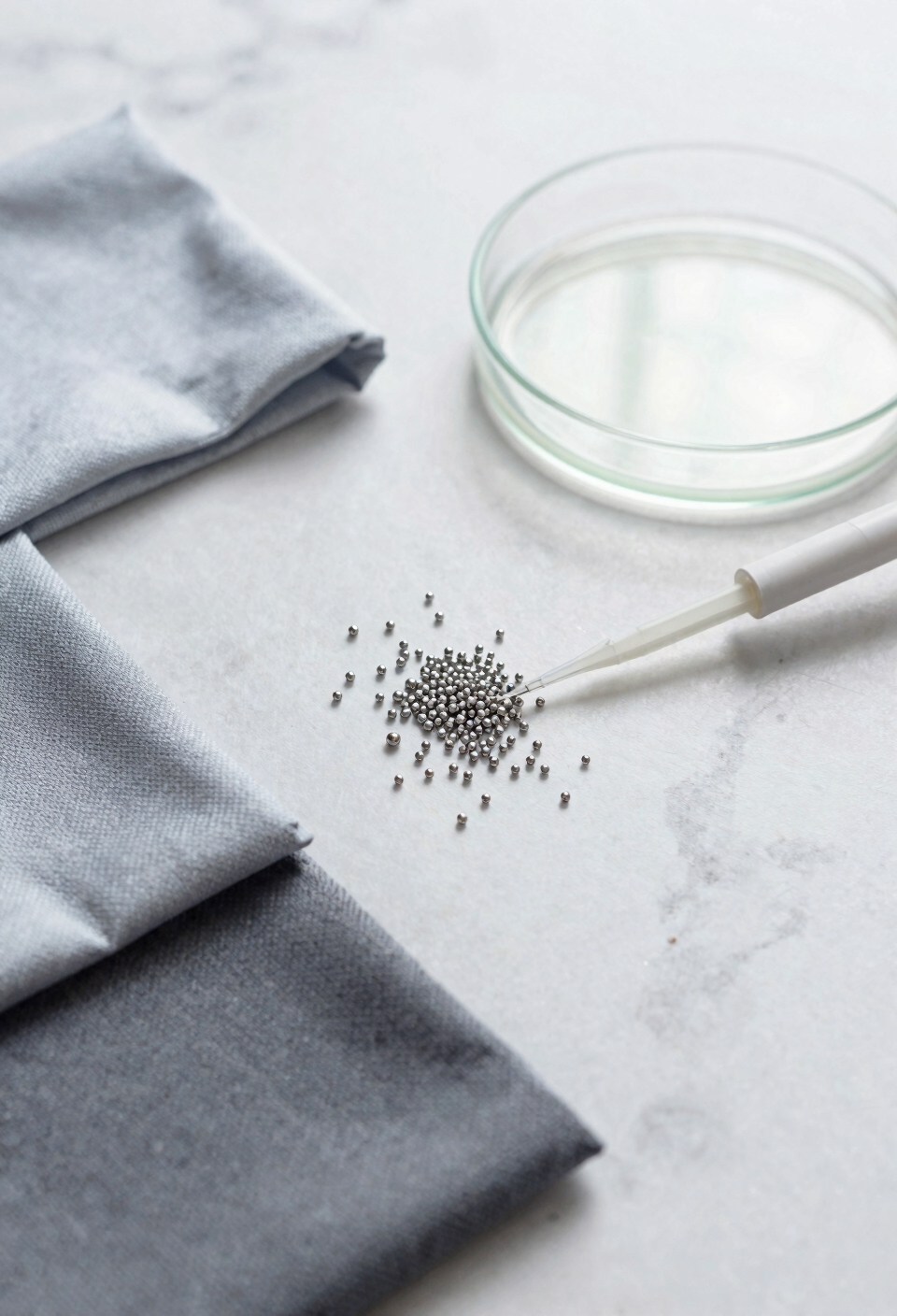
Now, here’s where things get genuinely clever—silver ions are basically tiny molecular bouncers that don’t just kick bacteria out of your gym clothes, they straight-up dismantle the whole operation. I’m sure you’ve noticed how some athletic wear just stays fresher longer, and silver ionization is doing the heavy lifting behind the scenes. These ions attach directly to bacterial cells and wreck their structural integrity, essentially stopping them from multiplying in those warm, damp environments where they’d normally throw a party. What I really dig about this approach is the continuous protection you’re getting—24/7 bacterial defense embedded right into your leggings and sports bras. Polygiene StayFresh, for instance, uses natural salt-based silver technology that keeps working wash after wash, so you’re not constantly re-treating your gear like some kind of obsessive laundry enthusiast. When selecting gym clothes, moisture-wicking fabric properties work synergistically with silver ion technology to enhance both comfort and bacterial protection during exercise.
Zinc Oxide Nanoparticles: The Gentlest Antimicrobial Option
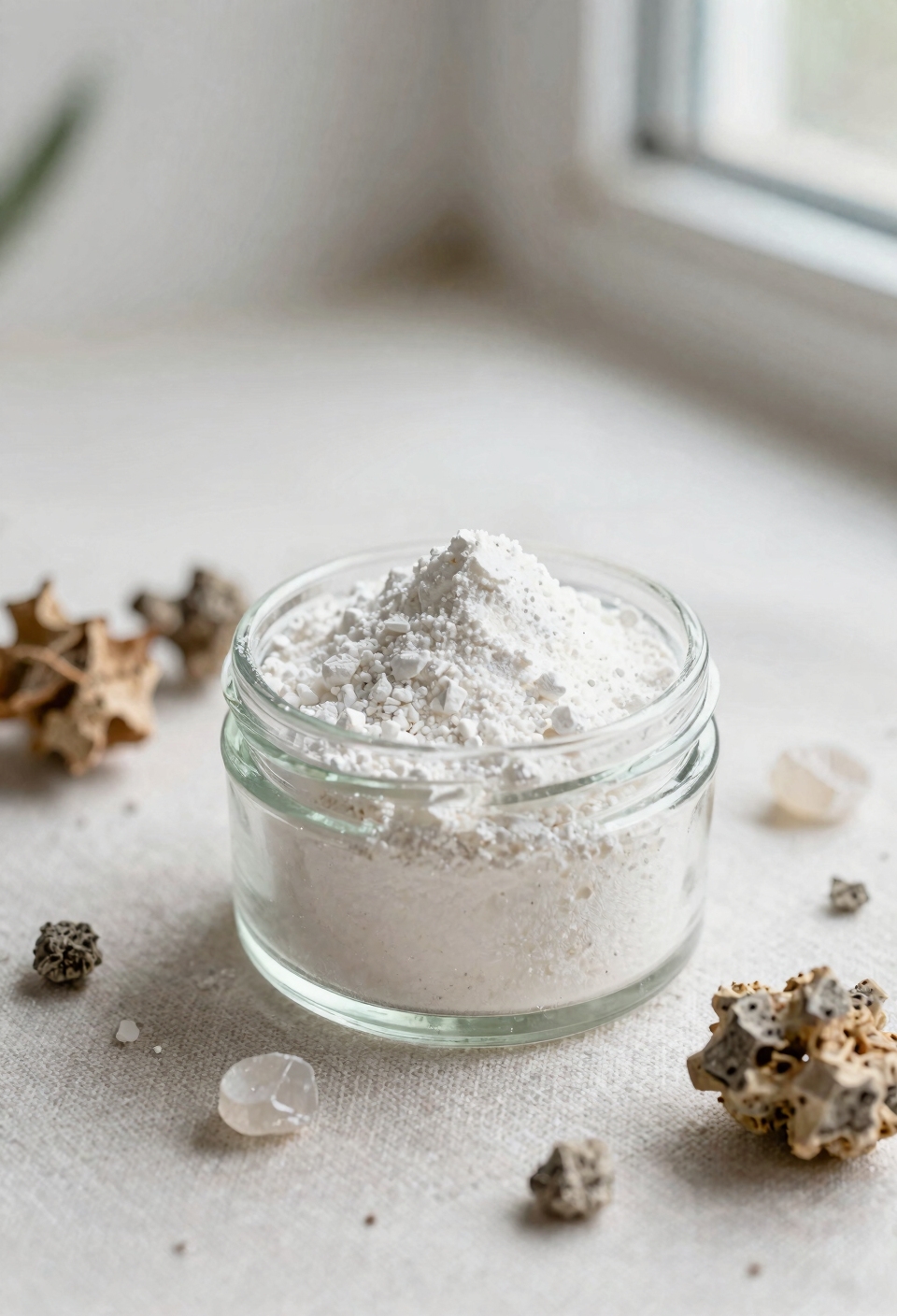
If you’ve got sensitive skin or you’re just tired of wondering what exactly you’re slathering on your workout gear, zinc oxide nanoparticles might be exactly what you’re looking for—they’re basically the gentle giant of antimicrobial treatments. I’m sure you’ve noticed how some antimicrobial fabrics feel aggressive, right? Well, zinc biocompatibility is the real deal here. These nanoparticles disrupt bacterial cell membranes and actually down-regulate the genes that let bacteria multiply, all while playing nice with your skin. Now, nanoparticle sourcing matters, obviously—quality matters—and when you grab gear with Acteev’s active zinc ions, you’re getting protection that holds strong even after a hundred washes. Merino wool’s natural odor resistance provides a complementary approach to antimicrobial protection, reducing the need for frequent washing while maintaining freshness. It’s not flashy, but it works without the chemical feel.
TENCEL Lyocell Fibers: Why Smooth Surfaces Stop Odor
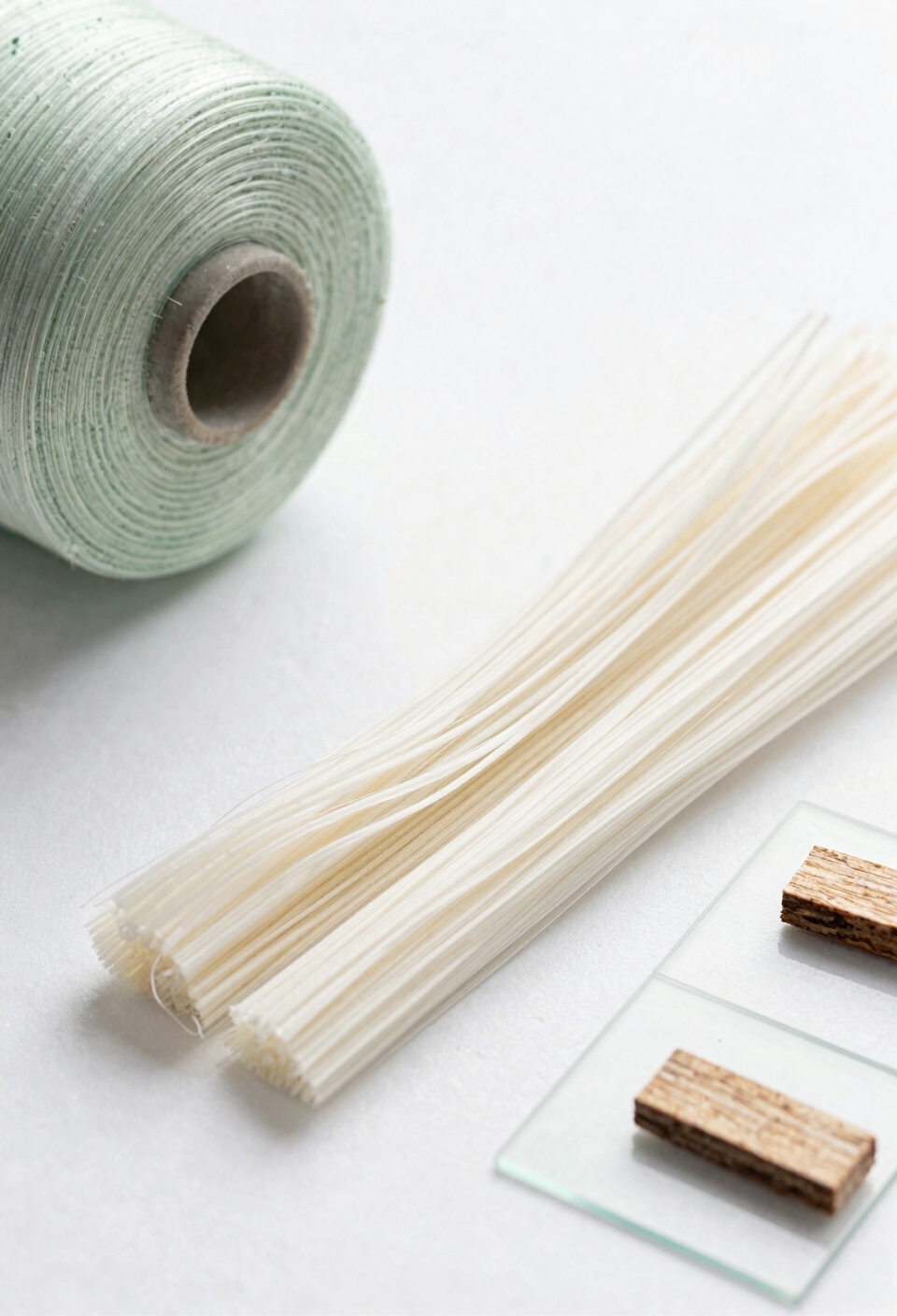
Built from sustainably sourced bamboo pulp, TENCEL Lyocell fibers have this almost ridiculous advantage over your standard polyester gym wear—they’re smooth. I mean, we’re talking nanofibril mechanics that create this dense, organized structure that bacteria simply can’t grip onto like they do with polyester’s rougher surface. You know how your sweat-soaked shirt becomes this bacterial petri dish? That’s because bacteria love clinging to those micro-crevices. TENCEL’s surface hydrophilicity—fancy way of saying it loves water—actually works against odor-causing microbes. The fibers absorb moisture rapidly and evaporate it fast, keeping your skin drier longer. This moisture-wicking capability is why modern athletic wear increasingly incorporates natural fibers and synthetic blends designed specifically to regulate body temperature and enhance comfort during workouts. Honestly, it’s almost like the fabric’s fighting bacteria just by being better designed than traditional options.
Bamboo Viscose: Breathable But Needs Help Fighting Odor
You’ll find that bamboo viscose fabrics hit this weird sweet spot—they’re genuinely comfortable, breathable, and soft in ways that make you want to wear them all day, but here’s the thing: they’re not exactly antibacterial superheroes out of the box. I’m sure you’ve noticed how bamboo’s cellulosic fiber structure does limit bacterial growth compared to straight polyester, which is genuinely helpful for moisture management during lighter workouts. The problem is that without added treatments, bamboo viscose basically relies on being breathable enough to keep you dry rather than actively fighting odor. Now, they’ve got solid eco credentials—that sustainable production angle is real—but if you’re hitting intense gym sessions regularly, you’re probably going to want enzyme treatments or silver ion technology layered on top to keep things fresh. Premium fabric blends with moisture-wicking properties can dry significantly faster than standard materials, making them more effective at preventing bacterial growth and odor buildup during high-intensity workouts.
What Fabric Structure Does to Bacterial Growth
The weave and texture of your gym clothes matter way more than you’d think when it comes to whether bacteria throws a party in there or not. I’m sure you’ve noticed how some fabrics smell worse than others after a workout, and that’s partly about fiber topology—basically how tight and smooth those fibers are packed together. Materials like TENCEL Lyocell have this nanofibril structure that’s genuinely hostile to bacterial adhesion, while polyester’s looser weave basically rolls out a welcome mat. Now, capillary action plays a huge role too. Fabrics that wick moisture quickly keep your skin drier, which bacteria despise. When sweat gets trapped in dense fibers versus flowing away, you’re looking at completely different bacterial environments. Seamless construction with body-mapping technology further reduces the areas where bacteria can accumulate and thrive. It’s not just chemistry; it’s architecture.
How Long Antimicrobial Treatments Actually Last
When you drop cash on those fancy antimicrobial gym leggings, I’m sure you’re wondering exactly how long you’re actually getting that bacteria-fighting benefit before it basically becomes regular old polyester again. Here’s the thing: durability testing shows silver ion treatments hold strong for about a year of real world wear, though wash frequency effects matter tremendously. I mean, if you’re throwing them in the machine after every single workout, you’re looking at maybe six months before effectiveness noticeably drops. Acteev’s zinc technology boasts durability through 100 washes, which sounds impressive until you do the math. Consumer perceptions vary wildly—some swear their treated gear still works great after two years, others notice decline way sooner. Honestly? Your mileage depends on how aggressively you wash them. Following recommended care instructions like machine washing in cold water and air drying can help preserve the antimicrobial treatments and extend their effectiveness over time.
Natural vs. Chemical: Which Works Better?
Since you’re probably standing in the activewear aisle squinting at labels that promise “natural antimicrobial technology” right next to ones touting “advanced silver ion science,” I get why you’d want a straight answer: which one actually keeps your gym clothes from smelling like a locker room dumpster?
Here’s the thing: they’re both legit, just differently. Chemical approaches like silver ions work faster and harder—they’re blunt force trauma against bacteria. Natural enzyme options? They’re more elegant, targeting bacteria’s food sources to disrupt that enzyme balance keeping odor alive. Your sensory perception might shift based on intensity preference, but honestly, the best choice depends on your skin sensitivity and how aggressively you want to go after the funk. Beyond antimicrobial treatments, moisture-wicking technologies like those found in premium workout gear actively manage perspiration during high-intensity activities, which reduces the bacterial environment that thrives in damp conditions. I’m sure you’ve noticed neither’s perfect.
Shop by Need: Matching Fabrics to Your Workout Style
Now that you know what’s actually fighting the bacteria in your gym clothes, here’s the real question: what fabric should you actually be wearing based on what you’re doing at the gym?
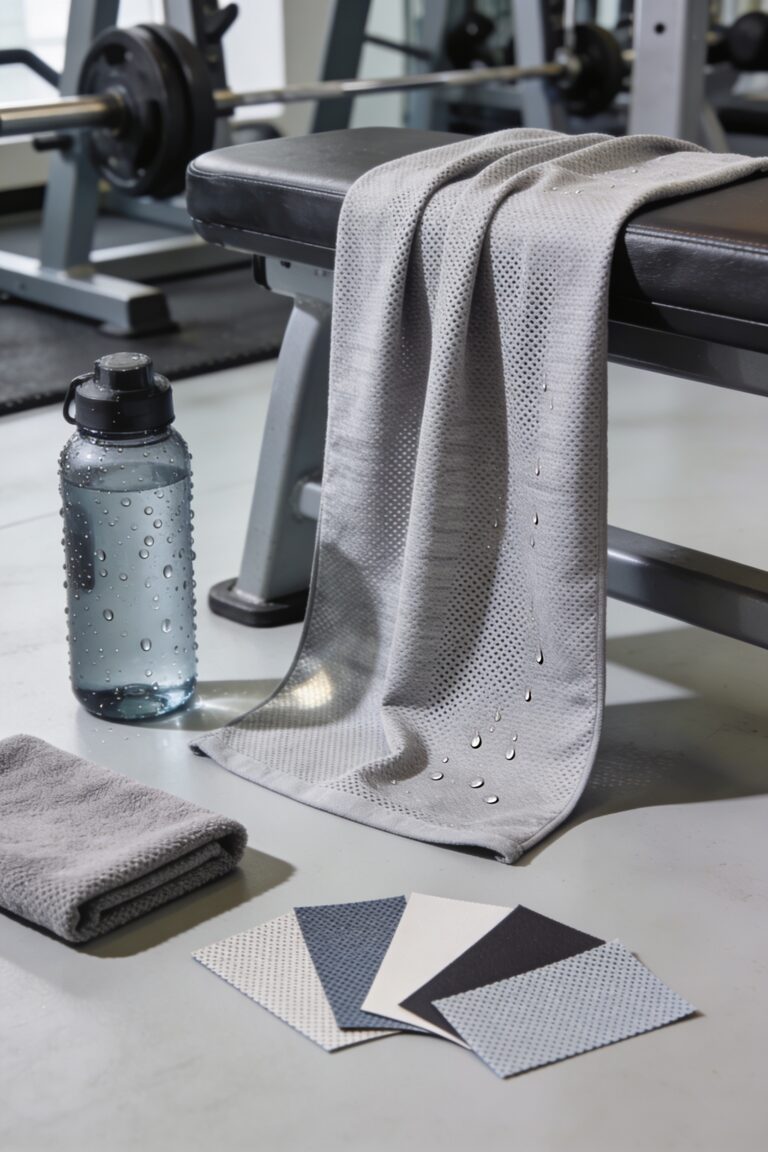
Look, if you’re doing low impact workouts like yoga or light stretching, bamboo viscose is your friend—it’s soft, breathable, and honestly, bacteria doesn’t love it as much as polyester. For high intensity training though, I’d honestly lean toward TENCEL Lyocell with silver ion technology embedded in there. You’re sweating buckets, and you need something that wicks moisture fast while actually stopping bacteria in its tracks. I’m sure you’ve noticed how regular workout gear can get rank within hours. With the right fabric match, you’re not just feeling better—you’re actually wearing science that keeps you fresher longer. Moisture-wicking fabrics are essential for transferring sweat away from your skin and maintaining comfort during high-intensity activities, which is why they’re the foundation of any performance-focused wardrobe.
Frequently Asked Questions
Can Antimicrobial Gym Clothes Completely Eliminate the Need for Regular Washing?
No, I can’t eliminate regular washing entirely. While antimicrobial treatments reduce laundry frequency and minimize odor persistence, they’ll eventually saturate. You’ll still need periodic washing to maintain garment freshness and hygiene.
Are Silver Ion and Zinc Oxide Treatments Safe for People With Metal Sensitivities?
I’ve wondered if metal treatments pose risks for sensitive skin. They’re generally safe, though some folks with nickel allergies should consider patch testing first to confirm their tolerance before wearing silver or zinc-treated garments regularly.
How Do Antimicrobial Fabrics Perform After Repeated Washing and Sweat Exposure?
I’ve found that antimicrobial fabrics maintain effectiveness through multiple washes, though you’ll notice gradual fiber degradation and slight odor rebound after intense workouts. Quality treatments like Acteev stay effective beyond 100 washes.
Which Antimicrobial Technology Works Best for Sensitive Skin Conditions Like Eczema?
I’d recommend zinc oxide nanoparticles for your sensitive skin. They’re the safest antimicrobial option available. Look for hypoallergenic treatments with fragrance-free finishes that won’t irritate eczema-prone skin while effectively controlling odor.
Do Enzyme-Based Detergents Work Effectively on All Types of Workout Odors Equally?
I’ve found enzyme efficacy varies across odor chemistry types. Proteases excel with sweat-protein odors, but lipases target oil-based smells better. Amylase handles starch residues. You’ll notice they’re most effective when combined, as they address multiple odor sources simultaneously.
Conclusion
Look, here’s the thing—you’ve got options now that actually work. Silver ions, zinc nanoparticles, enzyme detergents, smooth TENCEL fibers—they’re all genuinely fighting your stink at different angles. So why not match the fabric to how hard you actually sweat? Honestly, the best gym clothes are the ones you’ll actually wear enough to make that investment pay off.