As an Amazon Associate, we earn from qualifying purchases. Some links on this site are affiliate links at no extra cost to you. Our recommendations are based on thorough research and editorial judgment.

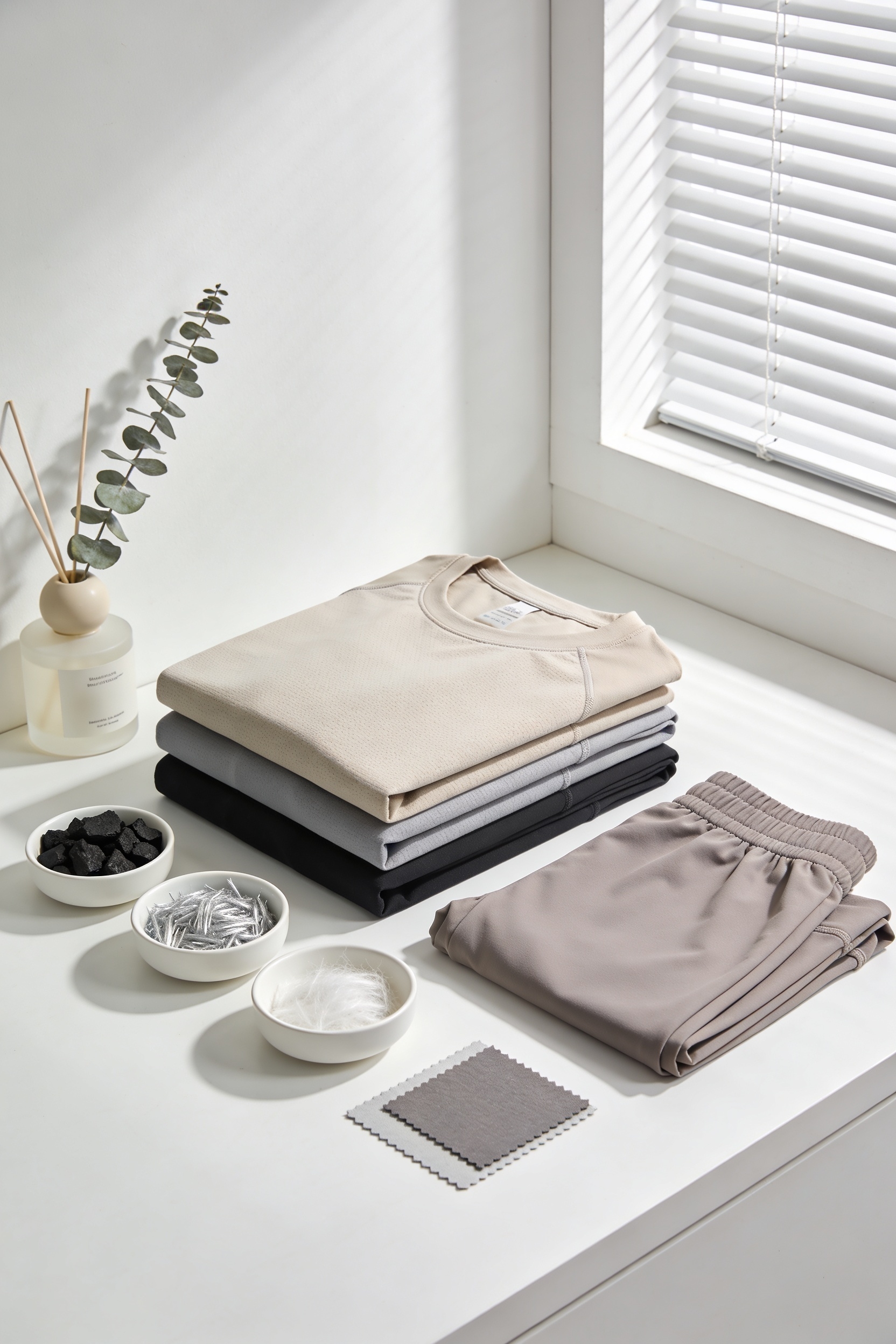
Why Do Some Workout Clothes Smell Better Than Others?

Look, I’m sure you’ve noticed your polyester gym shirt smells like a locker room after one wear while your cotton tee stays fresher longer—and there’s actual science behind it. Polyester’s hydrophobic fibers trap sweat and oils deep inside, creating a bacteria buffet that turns odorless perspiration into that gnarly isovaleric acid stink. Cotton absorbs moisture instead, starving bacteria of the conditions they need to thrive. Natural fibers like bamboo and wool? They wick sweat away entirely. Basically, your fabric choice determines whether you’re breeding odor factories or keeping things relatively civilized.
Key Takeaways
- Natural fibers like cotton and bamboo wick moisture away, starving bacteria of growth conditions unlike polyester.
- Polyester traps oils and sweat deep in fibers, creating reservoirs where odor-producing bacteria like Micrococcus thrive.
- Bacteria metabolize amino acids and fatty acids in sweat, producing volatile compounds like isovaleric acid odor.
- Standard detergents cannot penetrate polyester’s tight weave; specialized detergents and pre-soaking remove trapped oils more effectively.
- Wool supports mostly harmless bacteria while polyamide-spandex blends trap odors, affecting how quickly clothes develop persistent smell.
Why Polyester Reeks and Cotton Doesn’t
I’m sure you’ve noticed that some of your gym clothes smell fine after a wash, while others seem to hold onto that stale funk no matter what you do—and here’s the thing: it’s not actually about how hard you worked or how much you sweated, it’s about what the fabric itself is doing to trap and encourage the very bacteria that creates the stink in the first place. See, polyester’s fiber chemistry is hydrophobic, meaning it actively repels water while your sweat gets trapped inside. Cotton, meanwhile, genuinely absorbs sweat through superior sweat adsorption, which actually reduces bacterial growth. The bacteria on polyester—especially *Micrococcus*—thrive in that trapped moisture and start breaking down your sweat into isovaleric acid. That’s your real culprit. Cotton lets moisture move through and evaporate, starving those odor-producing colonies before they throw their little bacterial party. Bamboo fabrics, on the other hand, offer a superior alternative by holding up to three times their weight in water, which naturally wicks sweat away from the skin and reduces post-workout odors through improved ventilation.
How Bacteria Turn Sweat Into Stink
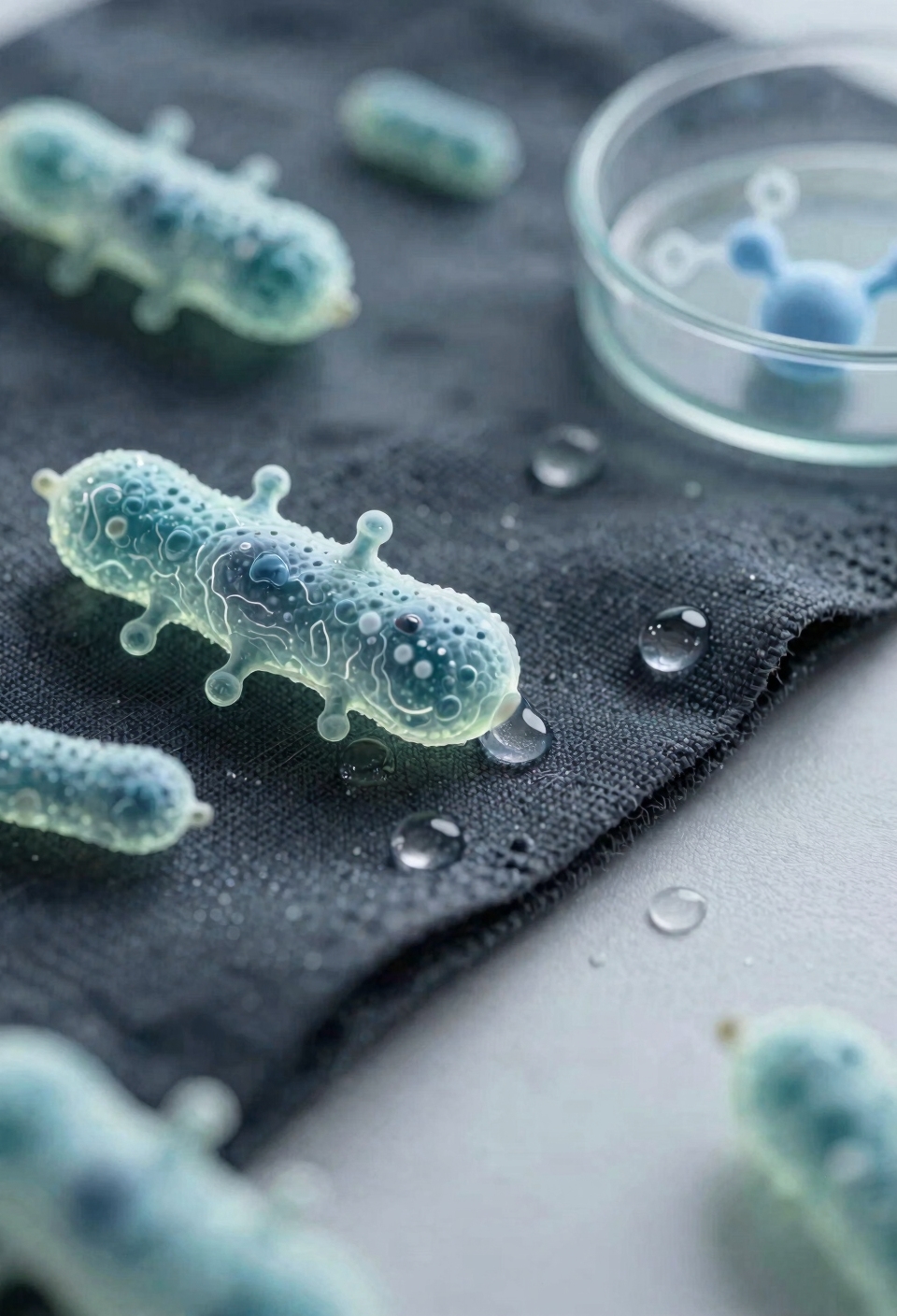
Now here’s where it gets genuinely gross—and I mean that in the most scientifically fascinating way possible. You start your workout completely odorless because sweat itself is basically just water and salt. But here’s the thing—your skin enzymes and bacteria have other plans. Once *Micrococcus* and *Corynebacterium* colonize your clothes through bacterial succession, they’re basically having a feast on your amino acids and fatty acids. They’re breaking down that innocent sweat into isovaleric acid and other volatile compounds that make you smell like a locker room nightmare. I’m sure you’ve noticed how your gym shirt smells fine when it’s clean but turns rank within hours of sweating. That’s bacteria doing what bacteria does best—transforming your body’s chemistry into pure stink. It’s genuinely brilliant if it wasn’t so disgusting. This is why natural odor resistance found in merino wool clothing makes such a difference—the fabric’s antimicrobial properties actually inhibit bacterial growth rather than just masking the smell.
Micrococcus and Corynebacterium: The Smell Culprits
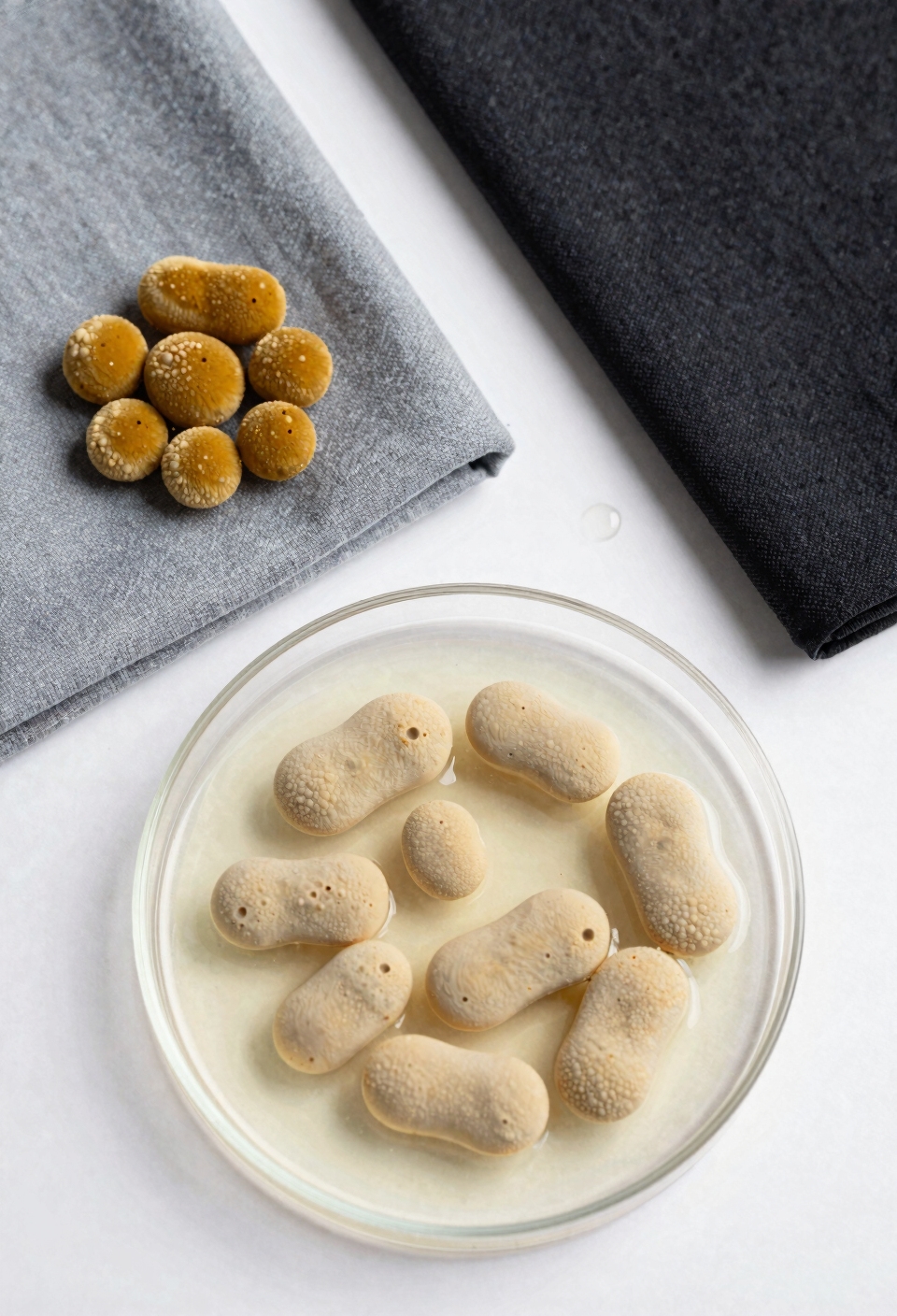
While your gym clothes might look clean hanging in your closet, they’re actually hosting a microscopic party—and you’re not invited. Here’s the thing: *Micrococcus* and *Corynebacterium* are the actual villains in your skin microbiome, not the sweat itself. These bacteria feast on amino acids in your perspiration and transform them into odor metabolites—basically stink compounds that’d make a chemistry teacher weep. *Micrococcus* thrives especially on polyester, cranking out volatile malodorous compounds like isovaleric acid, which smells vaguely like feet mixed with regret. *Corynebacterium* teams up with it, and together they’re basically running an odor factory. I mean, your sweat was genuinely odorless until these microscopic jerks showed up and ruined everything. Choosing moisture-wicking fabrics like those found in high-performance workout clothes can help reduce the conditions these bacteria thrive in. That’s the real culprit behind gym clothes that reek even after washing.
Polyester vs. Cotton: Why Fabric Choice Matters Most
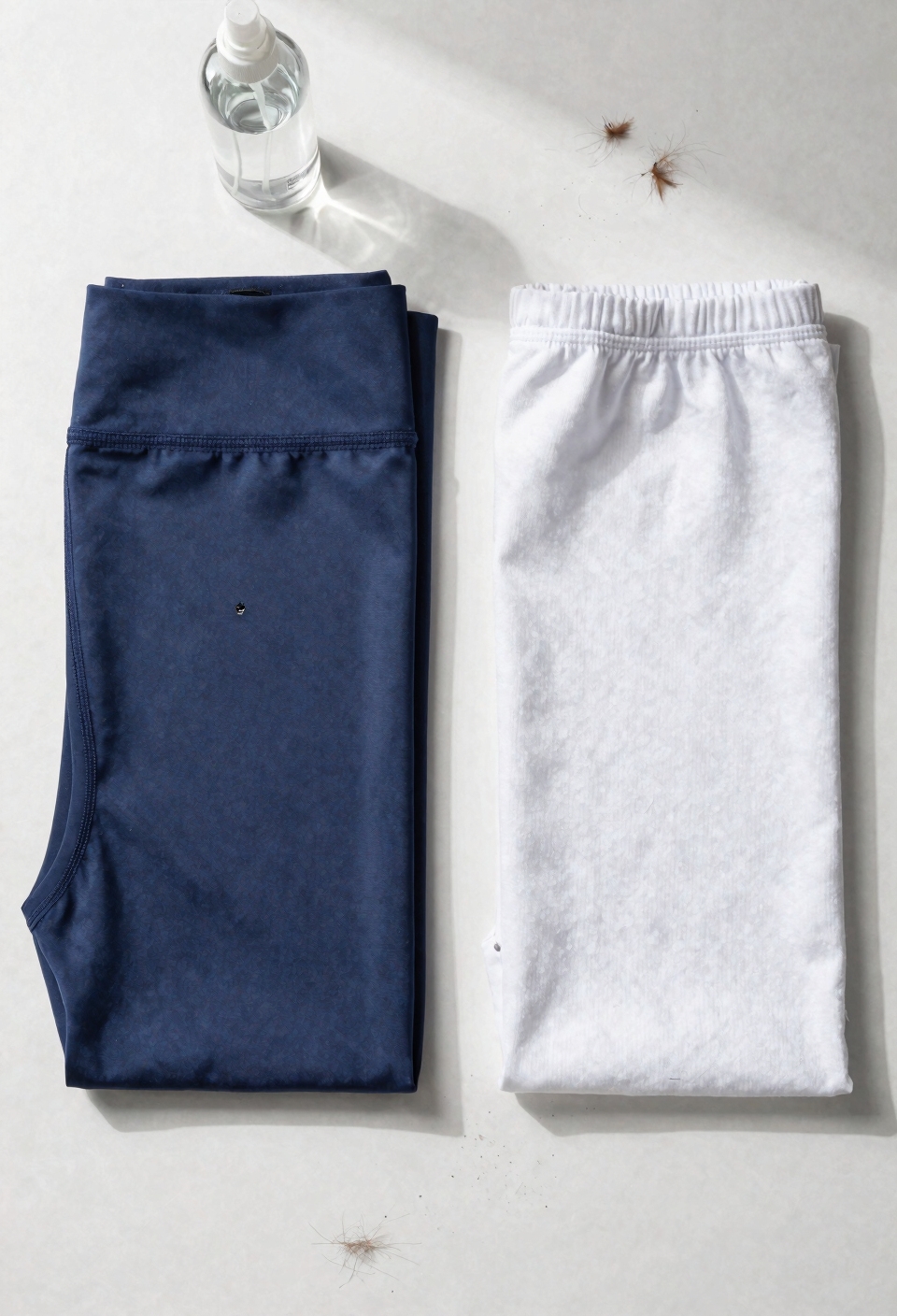
Since your fabric choice basically determines whether your gym clothes’ll smell like a locker room or just like, you know, normal human activity, let’s talk about why polyester and cotton aren’t even in the same league when it comes to odor. Cotton absorbs sweat like it’s got a personal mission, which means bacteria have less feast material to work with. Polyester, though? It repels moisture while trapping oils deep in those tight fibers—basically creating a bacterial nightclub. I’m sure you’ve noticed how cotton gear stays fresher longer despite identical workout intensity. The breathable blends and superior moisture management cotton offers genuinely matter here. Your sweat’s odorless until bacteria transform it, and cotton simply doesn’t enable that party the way polyester does. Products like Halo headbands with moisture-wicking technologies actively combat odor development by keeping sweat from accumulating on fabric surfaces.
Why Washing Your Gym Clothes Doesn’t Kill the Smell
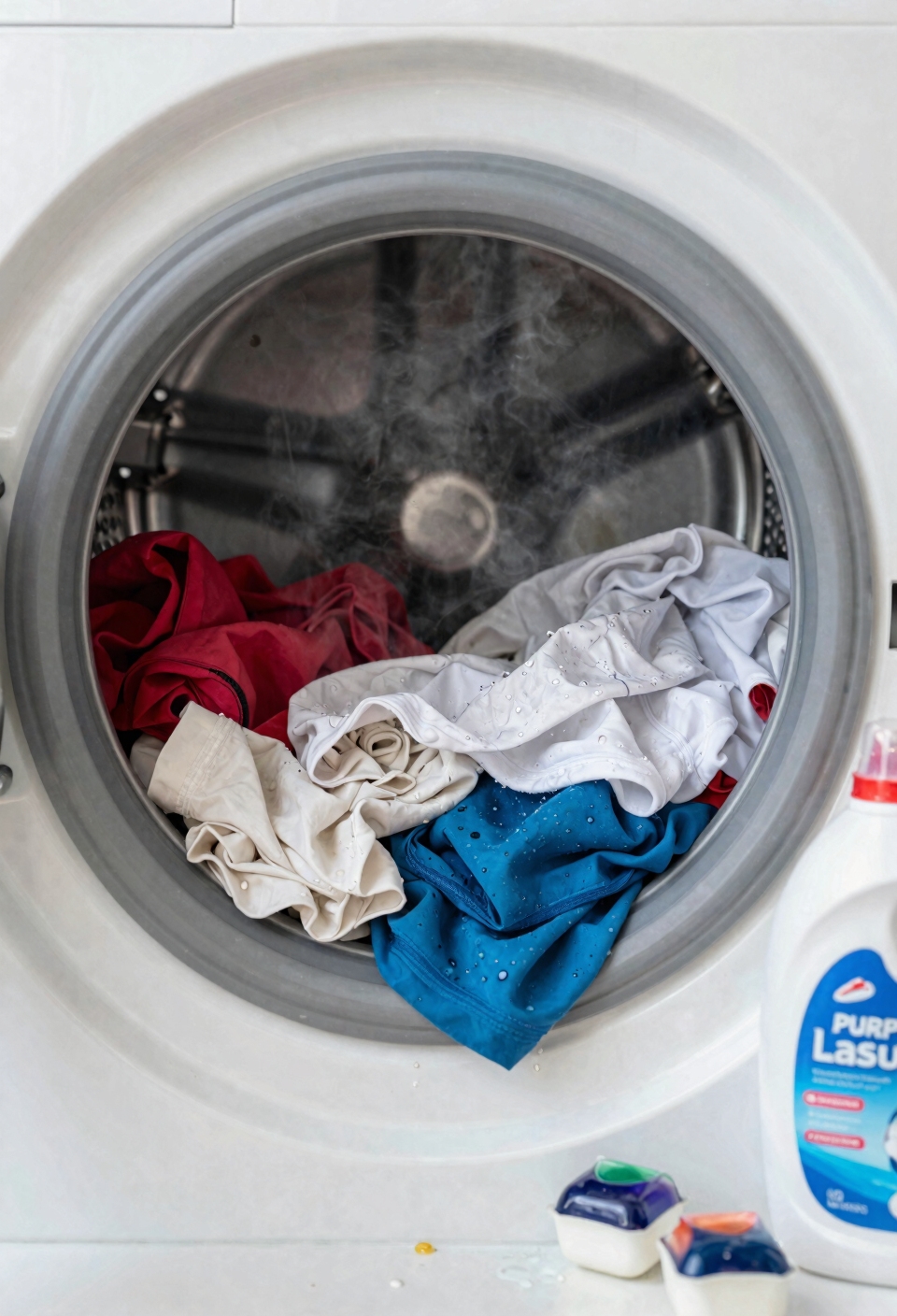
Here’s the thing about washing your gym clothes—and I’m sure you’ve experienced this—that fresh-out-of-the-dryer smell lasts about as long as your motivation on a Monday morning. I mean, you throw them in the wash, use your regular detergent, and boom—three days later they’re ripe again. The problem isn’t you or your washing machine; it’s detergent chemistry working against synthetic fibers. Standard detergents can’t penetrate polyester’s tight weave to lift out the bacteria and oils trapped inside, especially when water temperature isn’t hot enough to actually dissolve those hydrophobic compounds. So you’re basically rinsing around the problem, not solving it. Washed synthetics smell fine initially, sure, but the moment you sweat again, those trapped bacteria wake up and throw a party all over again. This is why moisture-wicking materials are essential for managing odor, as they’re specifically engineered to pull sweat away from your body and dry faster, reducing the time bacteria has to colonize your workout clothes.
The Oil Trap: How Synthetics Lock in Odor
The real culprit behind that persistent gym-clothes stench isn’t actually the sweat itself—it’s what happens when sweat meets synthetic fabric, and I mean really meets it. You know how polyester repels water? Well, that same hydrophobic quality turns your workout gear into oil reservoirs, trapping fatty acids and bacteria deep within the fibers. I’m sure you’ve noticed how your cotton shirt eventually stops smelling after a wash, but those synthetics? They’re basically oil-soaked sponges that cling to everything. The tight-knit structure of synthetic fabrics creates synthetic entrapment—sweat and oils get wedged so far inside that standard detergent can’t touch them. When you rewear those clothes and start sweating again, you’re reactivating all that trapped nastiness, which is why your gym clothes smell worse than they should. High-quality moisture-wicking fabrics can help mitigate this issue by moving sweat away from the body more effectively than basic synthetics.
Stop Trapped Odor With Pre-Soaking and Specialized Detergent
Now that you understand how synthetics trap odor like a financial advisor traps your retirement savings, it’s time to actually do something about it—because washing your gym clothes the normal way isn’t going to cut it. I’m sure you’ve noticed that standard detergent basically shrugs at polyester.
Here’s what actually works: pre soak techniques are your secret weapon. Dump your stinky gear in cold water with a specialized detergent formulated for synthetics, let it sit for 30-60 minutes, then wash normally. You’re basically giving those oils and bacteria a fighting chance to actually leave your clothes instead of getting cozy with the fibers. Obviously your regular stuff won’t dissolve what’s trapped in there—these formulas are built to lift what standard soap leaves behind. High-quality moisture-wicking materials like polyamide-spandex blends are particularly prone to trapping odors, making specialized treatment even more critical for maintaining your activewear. Trust me, you’ll notice the difference immediately.
Switch to Natural Fibers for Long-Term Relief
All right, so you can keep fighting the synthetic fiber battle with fancy detergents and pre-soaking rituals, or you can just accept that your body’s been trying to tell you something all along—polyester and your sweat were never meant to be together. I’m sure you’ve noticed that cotton absorbs moisture way better, starving those odor-producing bacteria of their happy hunting ground. Now, if you’re feeling ambitious, breathable linens and sustainable hemp options exist too, though they’re admittedly harder to find in your typical gym section. Wool’s another solid choice—it breeds mostly harmless bacteria. Natural fibers like these offer moisture-wicking fabrics that maintain comfort during intense physical activities, making them superior to synthetics for long-term freshness. Obviously, natural fibers cost more upfront, but you’ll spend less time battling ghost stink haunting your laundry. Your future self’s definitely grateful.
Do Antimicrobial Gym Clothes Actually Work?
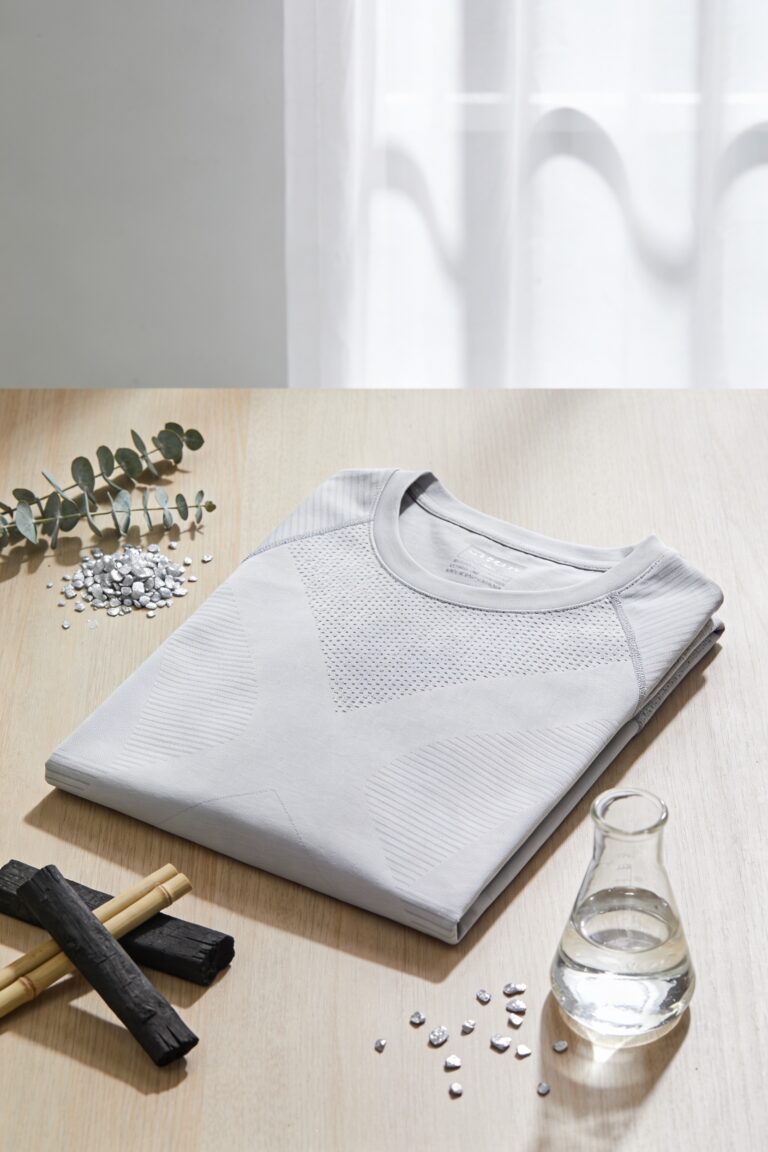
Before you drop extra cash on those fancy antimicrobial gym clothes, you should know they’re kind of like the gym membership you buy in January—they sound great in theory, but the results get complicated fast. Sure, antimicrobial efficacy sounds promising when you’re reading the marketing blurb, but here’s the thing: these treatments reduce bacterial numbers without eliminating them entirely. I’m sure you’ve noticed that antimicrobial fabrics work initially, then lose their punch over time. The real kicker? Bacteria develop resistance risks. Overusing these treated clothes might actually breed smellier, tougher microbes that laugh at your antimicrobial coating. Additionally, proper care instructions like hang-drying and gentle washing cycles can significantly extend the lifespan of your workout clothes and maintain their performance qualities. Honestly, you’re better off investing in proper washing techniques and natural fibers instead of banking on silver-lined underwear to save you.
The Fabric Hierarchy: What to Buy Next
Skip the antimicrobial gimmicks and let’s talk about what actually matters: choosing fabrics that don’t turn into a biohazard after your third squat session. Here’s my honest hierarchy for purchase tips: cotton wins if you’re doing moderate activity—it absorbs sweat like a champ, starving the bacteria that create stink. Wool’s your dark horse if you can handle the price; it lets microbes grow but breeds mostly harmless ones. Now, breathable blends mixing synthetic and natural fibers? They’re your sweet spot for serious workouts. You’re getting wicking action without trapping oils like pure polyester does. Obviously avoid tight 100% polyester unless you enjoy rewashing gear every single wear. I mean, your laundry machine’s already working overtime. For maximum comfort during intense exercise, look for moisture-wicking materials that actively pull sweat away from your skin while maintaining breathability.
Frequently Asked Questions
How Long Does It Take for Odor to Build up in Synthetic Gym Clothes?
I’ve found that odor builds up remarkably fast in synthetic gym clothes—often after just one or two workouts. Poor sweat absorption combined with microfiber breakdown traps bacteria and oils, creating persistent stench within days.
Can I Mix Cotton and Polyester Clothes in the Same Wash Load?
You can definitely mix them—studies show polyester retains 3x more odor than cotton. I’d separate them to prevent color bleeding and fabric pilling, though, ensuring your workout gear stays fresher longer.
Does Water Temperature Affect Bacterial Growth on Workout Clothes?
I’d say temperature definitely matters. Cold wash doesn’t kill bacteria effectively, while hot sterilization better eliminates odor-causing microbes. However, I’d recommend pre-soaking in cold water with specialized detergent for synthetics first.
Are There Natural Alternatives to Antimicrobial Treatments for Gym Wear?
You’d think antimicrobial chemicals are your only defense, but I’ve found natural alternatives work brilliantly. Essential oils and probiotic laundering methods can effectively reduce odor-causing bacteria without harsh treatments on your sensitive skin.
How Often Should I Replace Gym Clothes to Prevent Permanent Odor?
I’d recommend replacing your gym clothes every 1-2 years, depending on fabric lifespan and how often you wear them. Synthetic fabrics’ replace intervals shorten as trapped bacteria become permanent, so cotton naturally lasts longer before odor sets in.
Conclusion
Look, here’s the thing—you’re probably gonna want to ditch that polyester workout gear because studies show synthetic fabrics trap odor-causing bacteria about 40% more effectively than cotton does. I know it’s tempting to grab whatever’s on sale, but your nose (and your laundry routine) will thank you. Natural fibers breathe better, bacteria can’t colonize as aggressively, and honestly, you’ll actually enjoy getting sweaty again.