As an Amazon Associate, we earn from qualifying purchases. Some links on this site are affiliate links at no extra cost to you. Our recommendations are based on thorough research and editorial judgment.

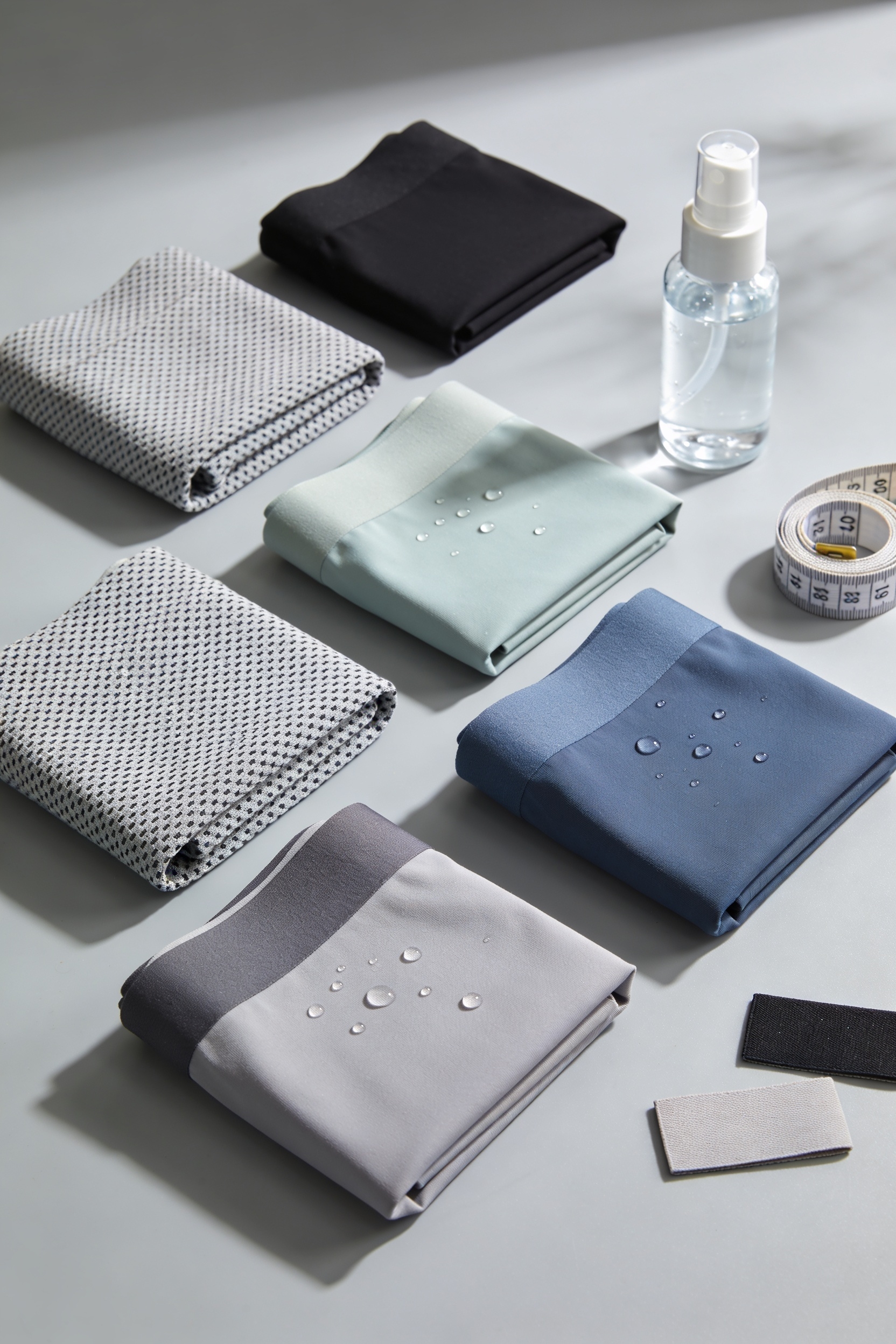
7 Best Moisture-Wicking Fabrics for Athletic Wear

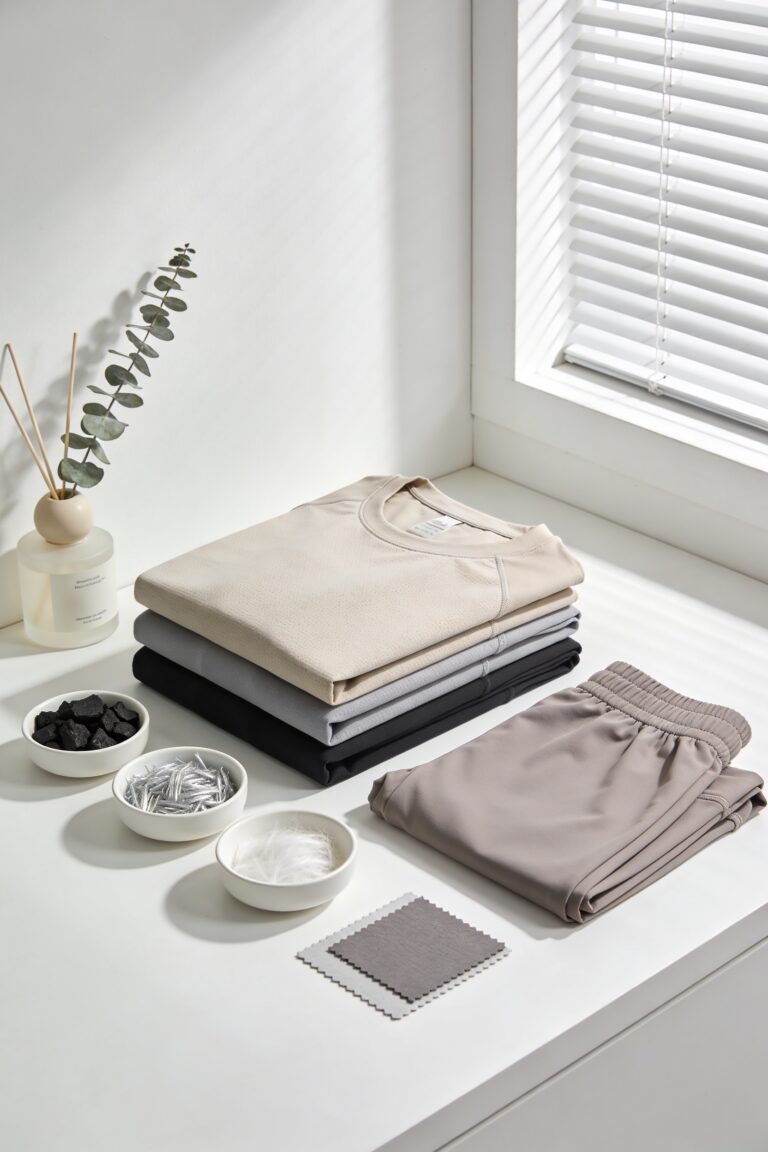
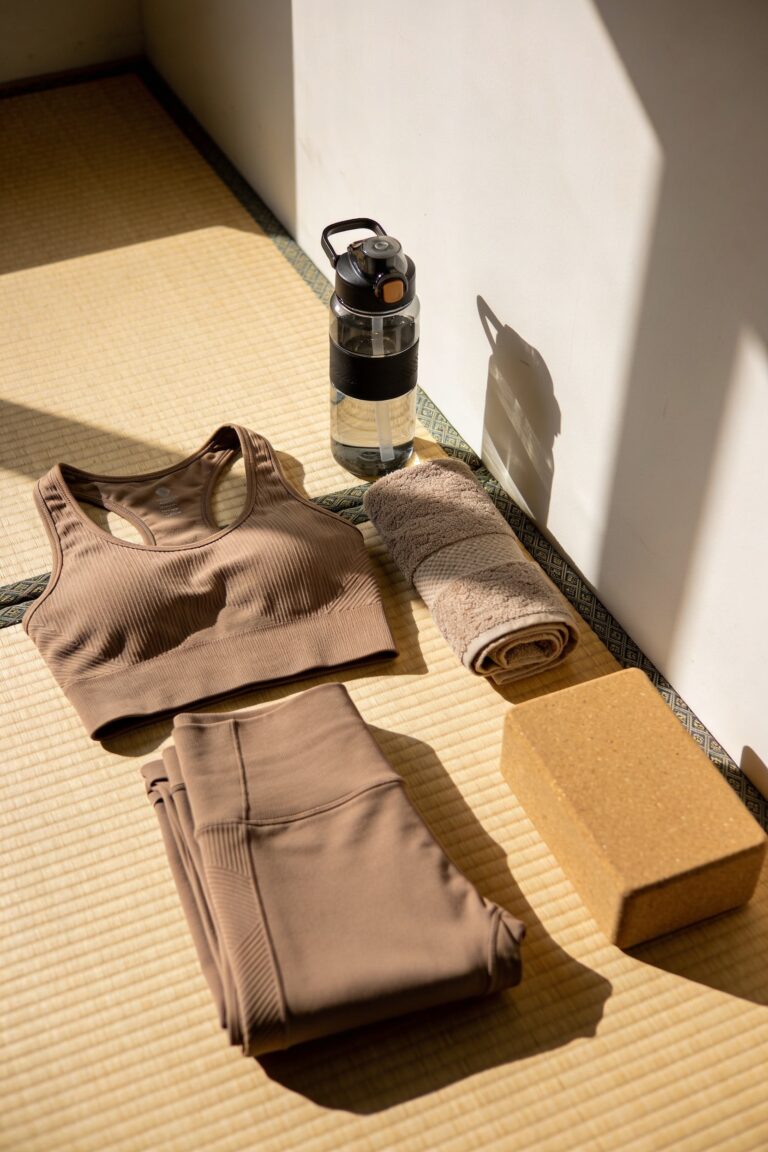
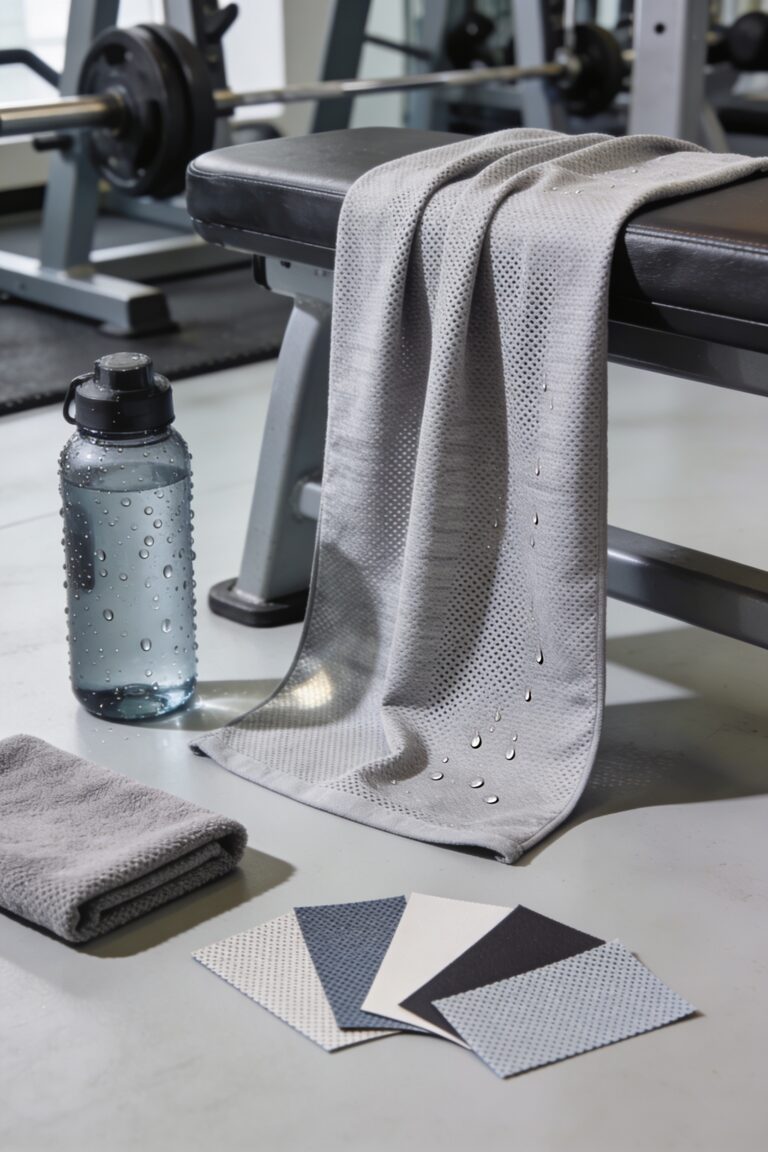
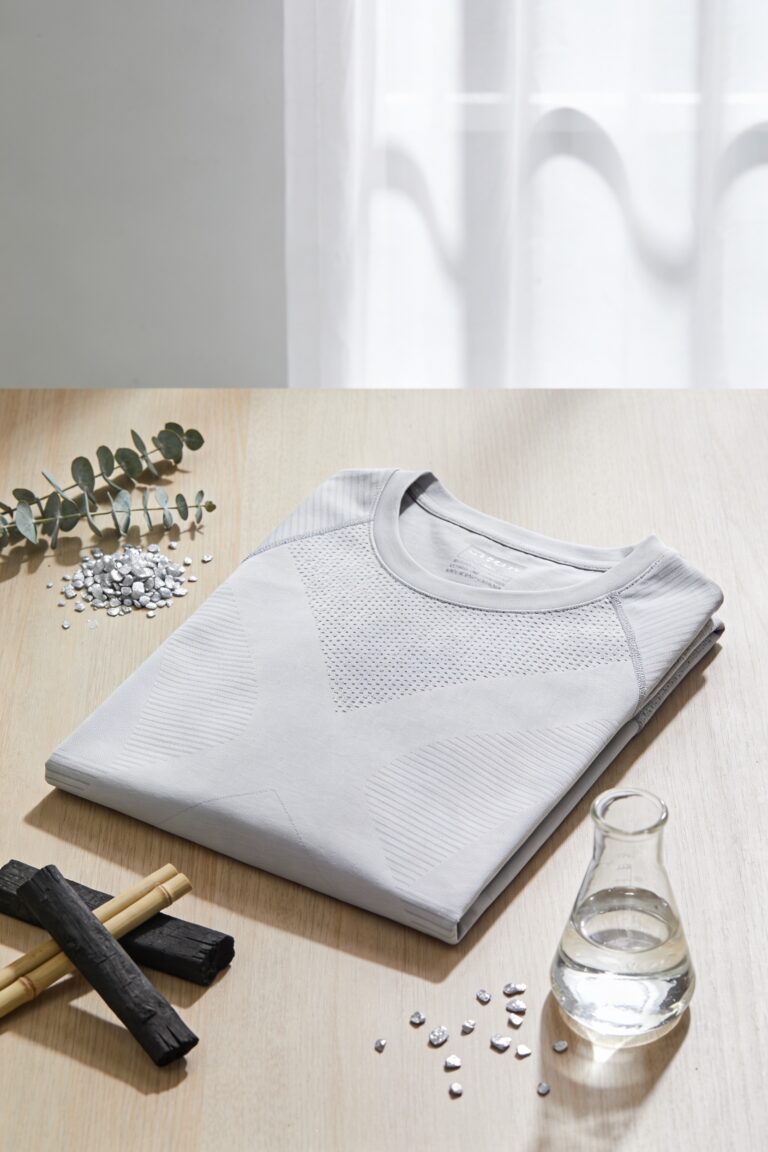
Look, I’m sure you’ve noticed cotton turns into a soggy mess the second you sweat, which is exactly why moisture-wicking fabrics dominate athletic wear now. You’ve got polyester for durability during intense workouts, nylon for that stretch and faster drying, polypropylene for cold-weather base layers, and merino wool if you want natural temperature regulation without constant washing. Spandex blends give you the recovery and compression your muscles actually need. Obviously cotton loses here—it just soaks everything up and stays damp. Stick with synthetics for hard workouts, and I’ll break down how each one actually performs.
Key Takeaways
- Polyester is lightweight, quick-drying, and ideal for high-intensity sports like CrossFit and sprint training.
- Nylon-spandex blends offer four-way stretch, faster drying than polyester, and reduced odor retention.
- Merino wool naturally regulates temperature and resists odors, perfect for variable outdoor conditions.
- Polypropylene repels moisture effectively, provides thermal insulation, and resists bacterial growth in cold-weather base layers.
- Bamboo viscose breathes naturally, manages moisture, and offers softness while supporting athletic performance needs.
Match Fabrics to Your Sport, Climate, and Budget
All right, here’s the thing—picking the right fabric for your athletic wear isn’t just about grabbing whatever’s on sale, though I’m sure you’ve noticed that’s tempting when you’re standing in the store. You’ve got to think about what you’re actually doing, where you’re doing it, and what won’t completely wreck your bank account. If you’re running marathons in humid climates, polyester or nylon blends are your friends—they dry fast and won’t abandon you mid-stride. Cold weather? Merino wool keeps you warm without stinking after day three. Budget planning matters too; synthetics outlast natural fibers for intense sports, so you’re not replacing gear constantly. Don’t forget eco considerations and care tips either—some fabrics need gentler washing. Merino wool’s natural odor resistance means you can wear it multiple days before washing, which extends the life of your gear and reduces your laundry load. Match your sport, climate, and wallet; you’ll nail this.
Polyester: Durability for High-Energy Sports
When you’re hammering out high-intensity workouts—think CrossFit, sprint training, or basically anything that leaves you drenched—polyester’s got your back in ways that’ll make you wonder why you ever bothered with anything else. I’m sure you’ve noticed how it just refuses to quit, which is exactly what you need for high impact durability across repeated, brutal sessions. Now, here’s the thing: polyester’s made from petroleum-based PET, and while that sounds sketchy, it translates to exceptional longevity that crushes cotton and even rivals wool in certain scenarios. Team sport longevity? Absolutely—these fabrics handle constant washing, sweat abuse, and the occasional plunge into asphalt without falling apart. Products like Halo headbands and Under Armour joggers are engineered specifically for heavy use, demonstrating how polyester-blend construction maintains performance through hundreds of wash cycles. Obviously, it retains odors like nobody’s business, but that’s the trade-off for gear that actually survives your ambitions.
Recommended Products
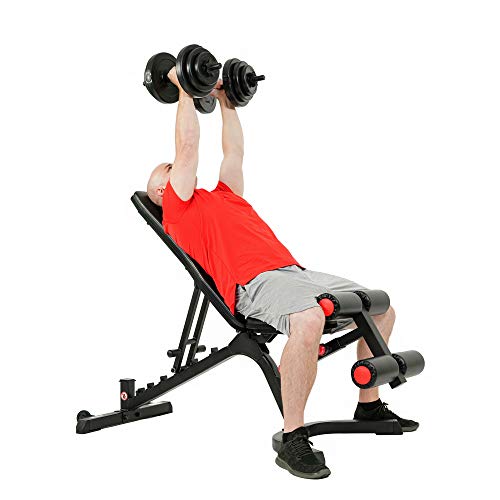
BACKREST SETTINGS: This weight bench has 7 adjustable positions(-20°, 0°, 15°, 30°, 45°, 60°, 85°) for a variety of workout options.
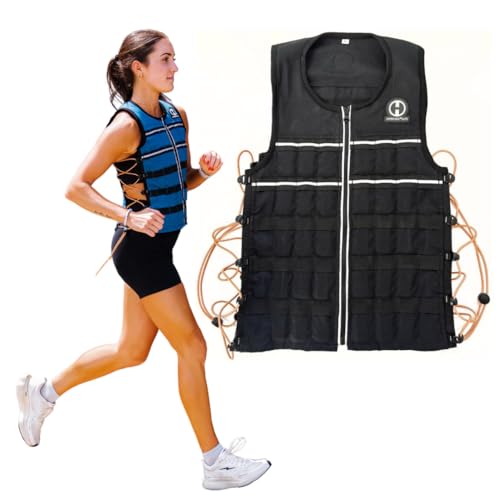
WALKS FEEL STRONGER, NOT HARDER — Patented stretch design holds 10 lb of steel micro-weights evenly across your torso — zero bounce, zero shoulder strain. Walk for miles with resistance that supports bone health, weight loss, and builds strength.
Nylon: Moisture-Wicking Stretch for Performance Gear
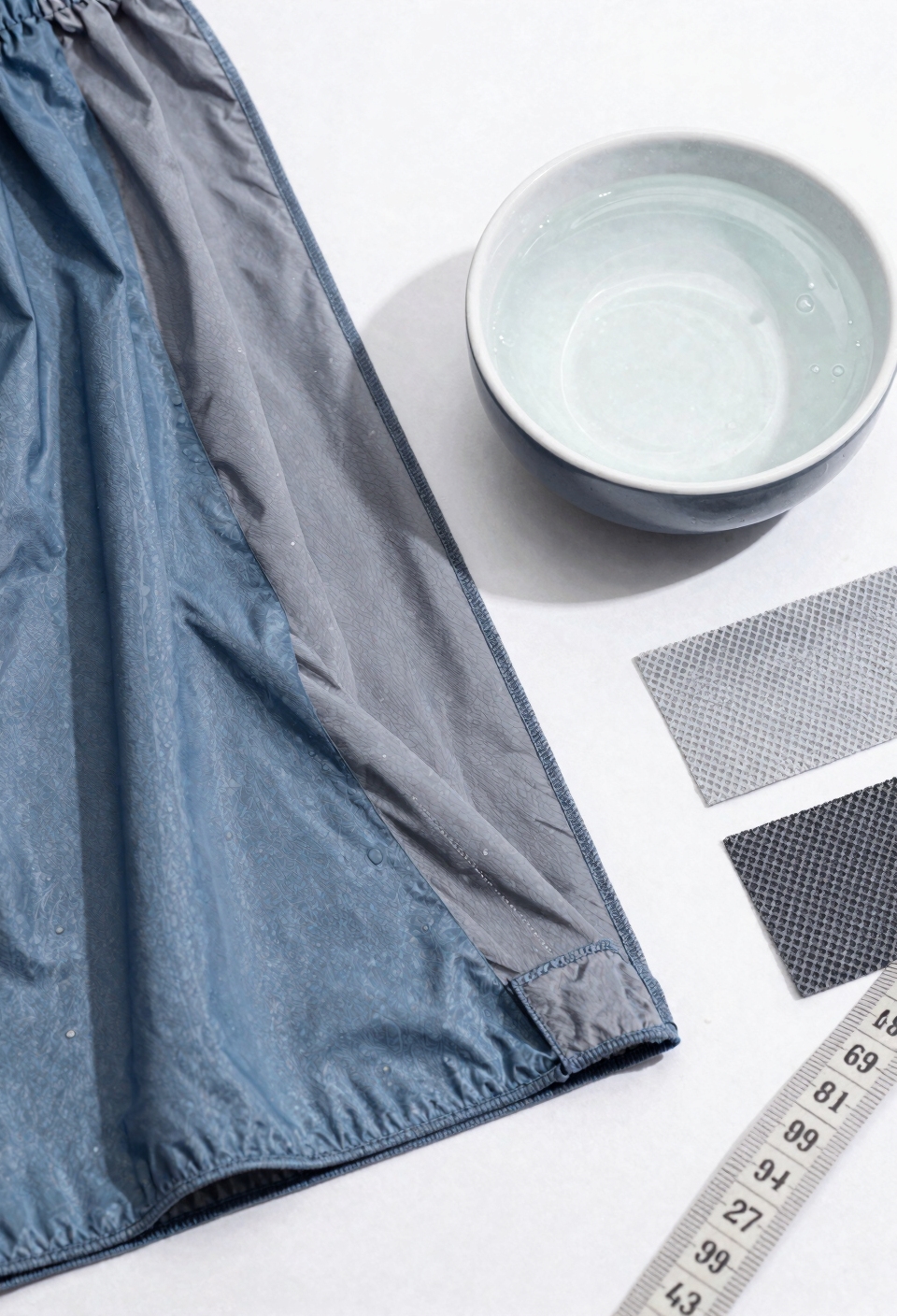
Now, polyester’s durability is fantastic for taking a beating, but here’s where nylon comes in and changes the game a bit—it’s the fabric that doesn’t just survive your workout, it actually moves with you. You’ve probably felt that four way stretch in quality gym gear, and honestly, it’s nylon doing the heavy lifting there. I’m sure you’ve noticed how it rebounds without getting all baggy and stretched out; that’s the abrasion resistance talking. Nylon dries faster than polyester, resists mildew like a champ, and doesn’t hold odors quite as stubbornly. All right, here’s the thing: nylon-spandex blends dry in 4-6 hours indoors, which beats polyester most days. Bamboo fabrics can hold up to three times their weight in water, offering moisture-wicking properties that complement synthetic blends in performance wear. You’re looking at serious performance gear material, especially for swimwear and high-intensity activities where you need both durability and genuine flexibility.
Recommended Products

★Warm Material:Women one piece ski suit is made of 80% nylon,20% spandex, lining:100% polyester fiber,filling: 90/10 duck down(30g),super warm&comfortable,effectively preventing the cold;

★WARM MATERIAL: Women one-piece ski suit made of polyester fiber material, super soft&comfortable, heat reflection technology inside the ski clothes, can effectively lock the heat, effectively preventing the cold, making you enjoy outdoor skiing activities;

✿ Premium 4-Way Stretch Performance Fabric: High-quality nylon spandex blend designed for superior flexibility, durability, and long-lasting elasticity. Moves effortlessly with the body, making it perfect for fitted garments and high-movement apparel.
Polypropylene: Moisture-Wicking Base Layers for Cold Weather
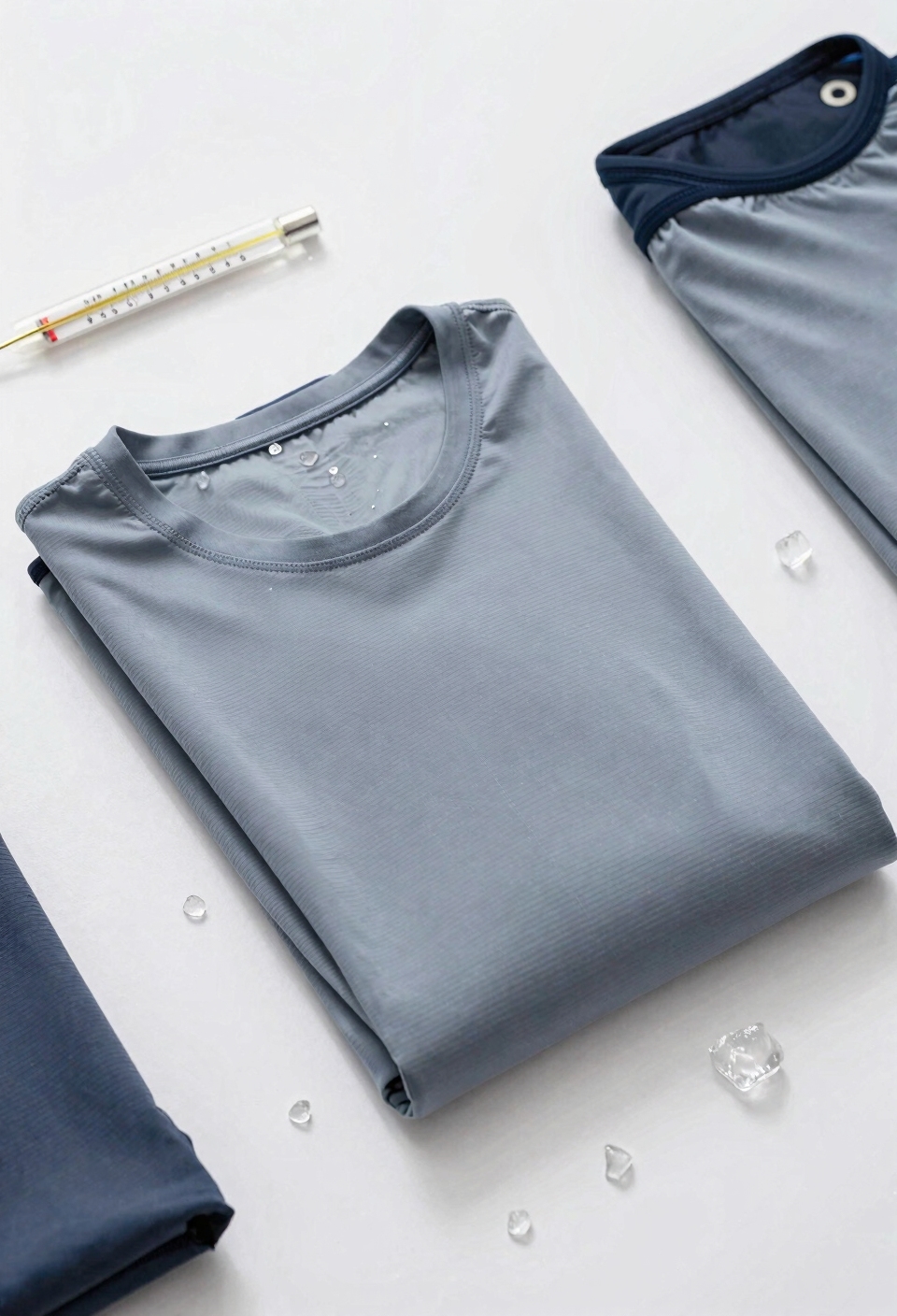
It’s water-resistant in a way that actually matters when you’re dealing with sweat or light precipitation. I’m sure you’ve noticed how regular fabrics just absorb everything and cling to you like a sad sweater—polypropylene doesn’t play that game. You get thermal insulation without the bulk, which sounds impossible until you realize this thermoplastic polymer basically repels moisture while trapping warmth. The odor management aspect is solid too; unlike polyester or nylon, you won’t need to wash it constantly because bacteria struggles to colonize something that stays dry. Now, it’s not going to feel as soft as merino wool—I’ll be honest, it’s got that slightly plasticky vibe—but for base layers under your winter gear, you’re getting durability and performance that justifies the trade-off. When paired with moisture-wicking materials like polyamide-spandex blends, polypropylene base layers create an optimal layering system that ensures comfort and shape retention through multiple washes.
Recommended Products

Whole House Water Filter System: Reduce impurities from your entire home’s water with Express Water’s 3 Stage Water Filtration System and easy to replace Water Filter Replacement Cartridges.

Italian quality – the thermal underwear UltramaxCELL consists of 100% Italian yarn Dryarn.

FEEL THE BENEFITS of innovative functional base layer even at a moderate activity level. With X-BIONIC INVENT 4.0 PANTS for jogging you benefit from a significant performance boost right from your first steps into the world of winter sports
Merino Wool: Natural Moisture-Wicking for Variable Conditions
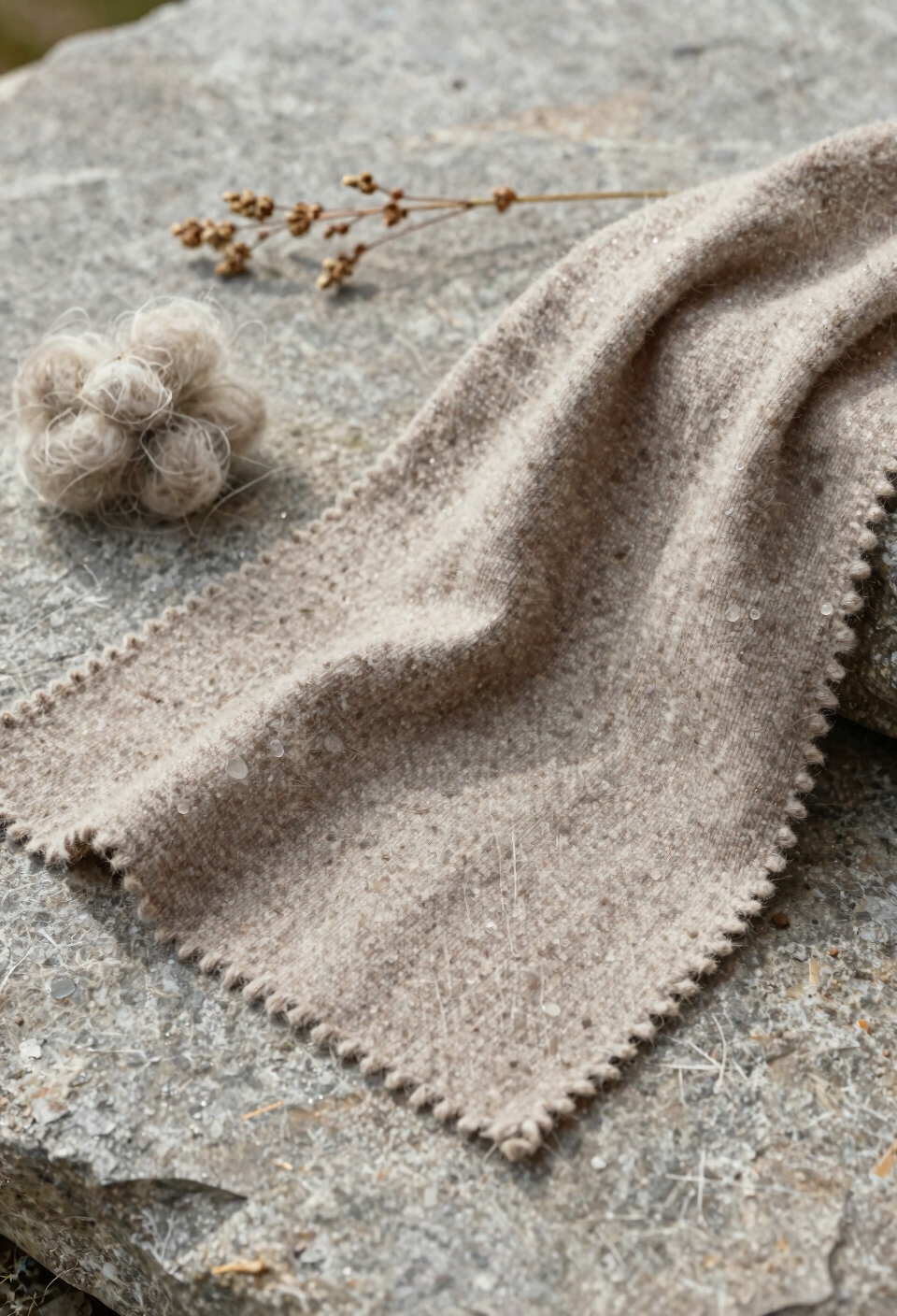
If you’ve ever tried synthetic base layers in variable weather and felt like you were either sweating buckets or freezing solid—no in-between—then merino wool‘s about to change your perspective. I’m sure you’ve noticed how most synthetics trap heat like a plastic bag, right? Merino’s different. You get genuine temperature regulation that actually adapts to your body, keeping you warm when it’s damp and cool when you’re pushing hard. Now, here’s the kicker: you won’t need to wash it constantly because merino naturally resists odor. I mean, that alone saves you from becoming a laundry nightmare. Obviously it’s pricier than polyester, and yeah, it’s less durable long-term, but for variable conditions? You’re looking at serious comfort that actually works. When paired with moisture-wicking fabrics in layered athletic wear, merino wool enhances breathability and comfort during high-intensity activities.
Spandex Blends: Moisture-Wicking Stretch and Recovery
While merino wool‘s got that whole natural temperature-regulating thing locked down, there’s a reason most athletes aren’t actually wearing it for their high-intensity workouts—and that’s where spandex blends come in. I’m sure you’ve noticed how regular fabrics just bunch up when you move, which is annoying and unflattering. Spandex fixes that by expanding over five times its normal size, giving you actual freedom. You’re typically looking at polyester-spandex or nylon-spandex combinations, usually around 5-20% spandex, which means compression recovery happens faster because the fabric snaps back with you. That stretch longevity is essential for serious athletes—your gear actually supports your muscles instead of fighting them. Products like the MathCat Workout Shirts, which blend 90% nylon with 10% spandex, demonstrate how four-way stretch fabrics deliver the performance needed for demanding workouts. All right, it’s not magic, but it’s honestly close enough for weekend warriors like us.
Recommended Products

Comfortable Fabric:The cool, breathable and high strentchy casual shirt is just as easy and comfortable as a tee, but looks a notch more put together.

PGA TOUR women's long sleeve golf shirt with self collar
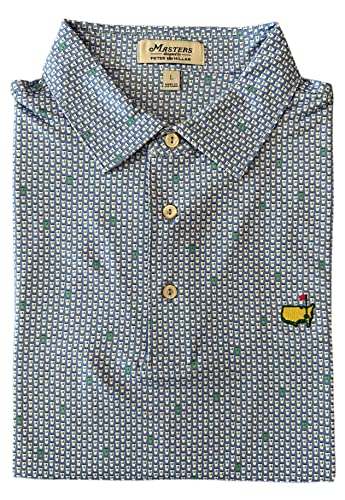
PETER MILLAR Masters Men's Concession Beer Cups Performance Tech Golf Polo Shirt (Medium) Blue,Green
Direct from the Grounds of the Augusta National Golf Club
Moisture-Wicking vs. Cotton: Why Synthetics Win for Hard Workouts
Now, here’s the thing about cotton—and I’m sure you’ve noticed this if you’ve ever made the mistake of wearing a regular cotton t-shirt to the gym—the moment you start sweating, that fabric just soaks it all up like a sponge and stays there, clinging to you like it’s got a personal vendetta. Synthetic fabrics with actual sweat management tech work completely differently. They push moisture away from your skin instead of trapping it, which is why you’ll hear people throw around quick dry myths about cotton. Spoiler alert: cotton doesn’t quick dry. It sits there, heavy and damp, defeating the entire purpose of working out hard. Polyester, nylon, and polypropylene actively move sweat outward, keeping you dry and comfortable while you’re actually pushing yourself. Flatlock stitching in synthetic apparel also prevents chafing during intense exercises, ensuring that comfort extends beyond just moisture management to overall performance during your workout.
Frequently Asked Questions
How Often Should I Wash Moisture-Wicking Athletic Wear to Prevent Odor Buildup?
I’d recommend washing your moisture-wicking athletic wear after every workout for peak odor prevention. Since synthetic fabrics retain odors despite their performance benefits, frequent wash frequency is essential to maintaining freshness and extending garment longevity.
Can Moisture-Wicking Fabrics Cause Skin Irritation or Allergic Reactions?
I’ve found that moisture-wicking fabrics can occasionally present sensitivities. Chemical residues, fabric dyes, and antibacterial finishes sometimes trigger reactions in delicate skin, while friction irritation develops during intense activity. Merino wool’s natural properties typically minimize these concerns.
What Is the Environmental Impact of Synthetic Moisture-Wicking Fabrics?
I’ll be honest—synthetic moisture-wicking fabrics like polyester and nylon create significant environmental problems. They shed microfiber pollution when washed, and their petroleum base causes chemical leaching into waterways during production and use.
How Do I Properly Care for and Extend the Lifespan of Athletic Wear?
I’ve found that athletic wear lasts 40% longer when stored in cold environments. I recommend washing inside-out, maintaining zippers regularly, and air-drying to preserve fabric integrity and elasticity.
Are Moisture-Wicking Fabrics Suitable for People With Sensitive Skin Conditions?
Most moisture-wicking fabrics work for sensitive skin if you’re choosing hypoallergenic blends with fragrance-free finishes. I’d recommend merino wool or cotton blends since they’re naturally gentler than petroleum-based synthetics.
Conclusion
Look, you’ve probably sweated through enough cotton shirts to know they’re basically useless once you get moving. I mean, your buddy who switched to a polyester-nylon blend for his weekend runs—yeah, that guy—he’s onto something. You pick the right fabric for *your* sport and climate, you’re not fighting your clothes while you’re fighting gravity on mile three. That’s just common sense wrapped in synthetic fibers, and honestly, that’s worth the investment.