As an Amazon Associate, we earn from qualifying purchases. Some links on this site are affiliate links at no extra cost to you. Our recommendations are based on thorough research and editorial judgment.

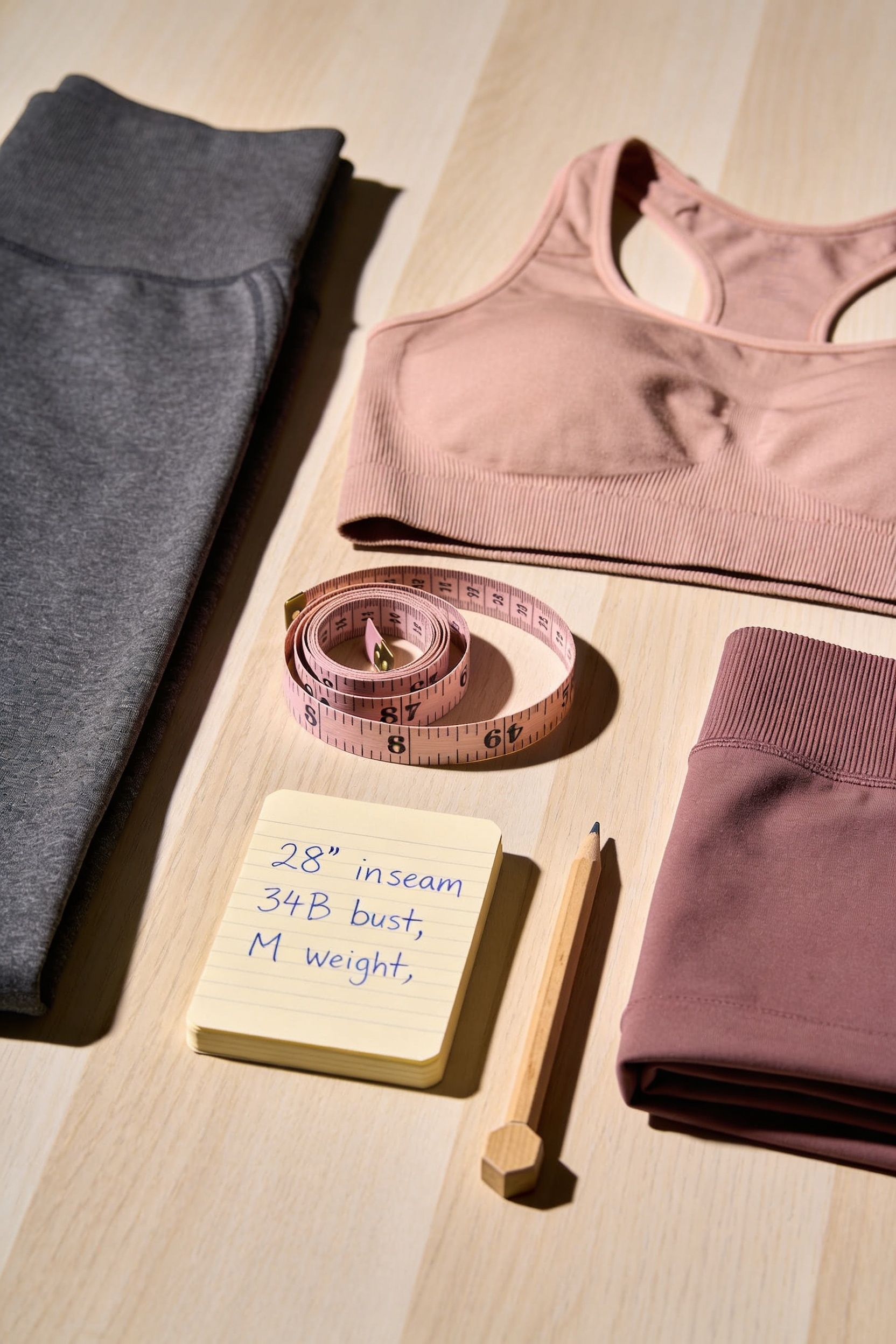
How to Measure for Perfect-Fitting Workout Gear

Look, you’ve probably noticed your workout gear riding up or bunching like you’re wearing a costume that doesn’t fit—that’s because most people wing their measurements. Here’s the deal: grab a fabric tape, wear fitted clothes or nothing, and measure your chest at the fullest point, waist at your natural corsetline, and hips at the widest part while breathing normally. Don’t forget inseam from inner thigh to ankle and sleeve length shoulder to wrist. Then actually check the manufacturer’s size chart instead of guessing, because sizing varies wildly across brands. Stick around if you want the specifics that’ll actually save you from return headaches.
Key Takeaways
- Wear fitted clothes or nothing while measuring, and use a flexible fabric tape for accurate body contour measurements.
- Measure chest at fullest part, waist at natural corsetline, and hips at widest point while breathing normally.
- Measure inseam from inner thigh to ankle bone and sleeve length from shoulder to wrist with slight bend.
- Cross-reference your measurements against each brand’s specific size chart, as sizing varies significantly across manufacturers and regions.
- Try on multiple sizes and perform dynamic tests like squats and lunges to ensure proper fit and mobility.
Gather Your Tools: What You’ll Need to Measure Accurately
Before you can nail down the right fit for your workout gear, you’ve got to set yourself up with the bare minimum tools—and I mean the actual bare minimum, because honestly, you probably already own most of this stuff. Grab a flexible measuring tape; the fabric kind beats rigid ones since it actually conforms to your body’s contours. You’ll want a mirror so you can confirm you’re measuring straight, and frankly, having another person around helps eliminate the awkward contortions you’d otherwise attempt. Obviously, wear fitted clothes or nothing at all—loose stuff throws everything off. Consider testing fabric stretch on potential purchases beforehand. Remember that sizing inconsistencies across different brands require careful selection and checking of size charts before making your purchase. That’s genuinely it. Your measurement tools are absurdly simple, which means there’s zero excuse for getting this wrong.
Chest: Measure at Your Fullest Point
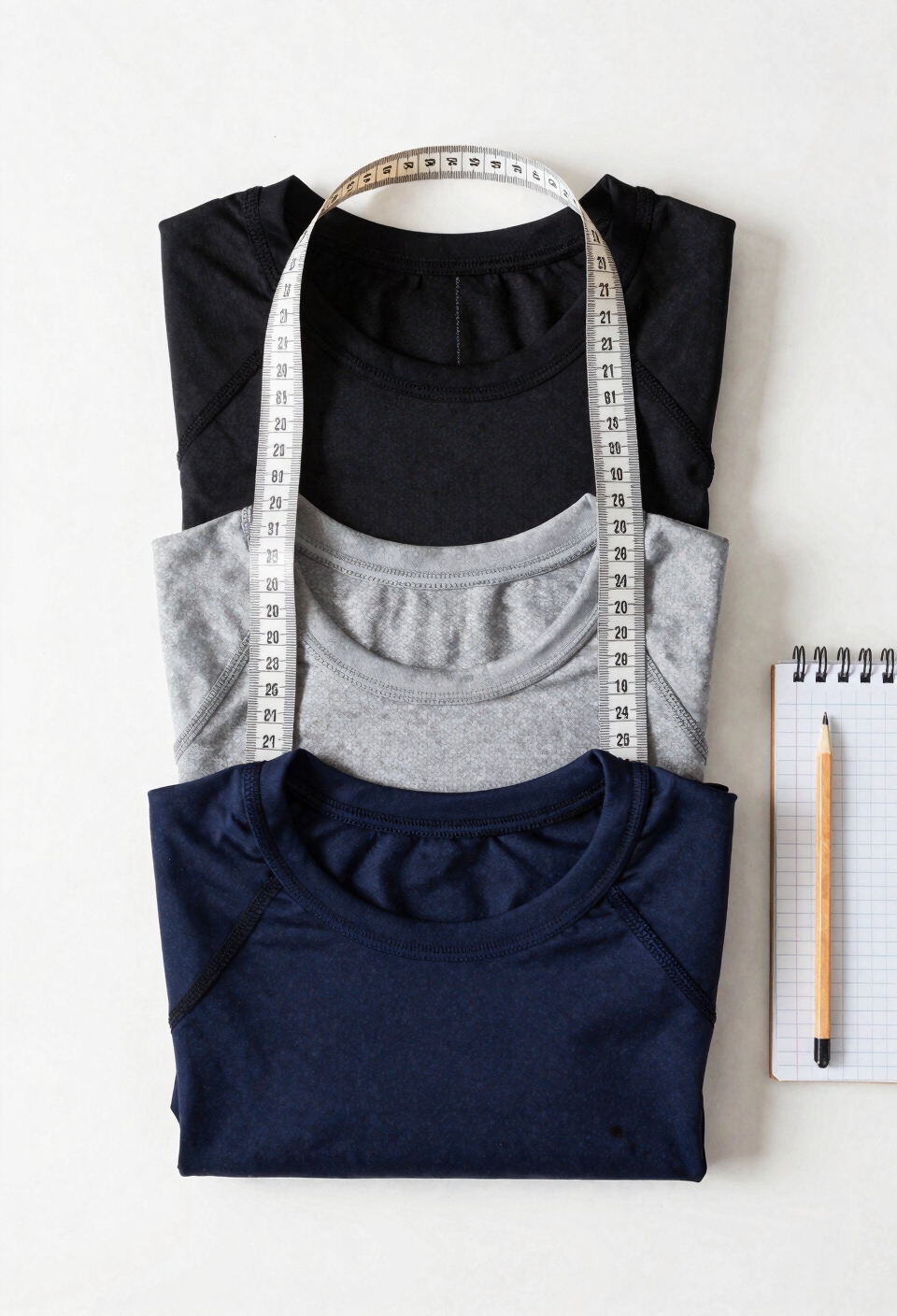
Now that you’ve got your measuring tape and mirror ready, let’s talk chest measurement—and I’m not gonna sugarcoat it, this is probably the most important number you’ll get because it determines whether your tops are gonna feel like a straitjacket or like you’re wearing a tent. Wrap that tape around the fullest part of your chest, keeping it level across your shoulder blades and under your arms. Here’s the thing though: posture impact is real. Stand up straight during normal breathing—don’t suck in or puff out. Breathing variations matter too, so measure during a neutral breath, not at the end of a deep inhale. This single measurement prevents uncomfortable binding during workouts and guarantees you can actually move. For apple-shaped bodies specifically, proper chest measurement works in conjunction with high-waisted designs that provide targeted support for the midsection.
Waist: Find Your Natural Waistline
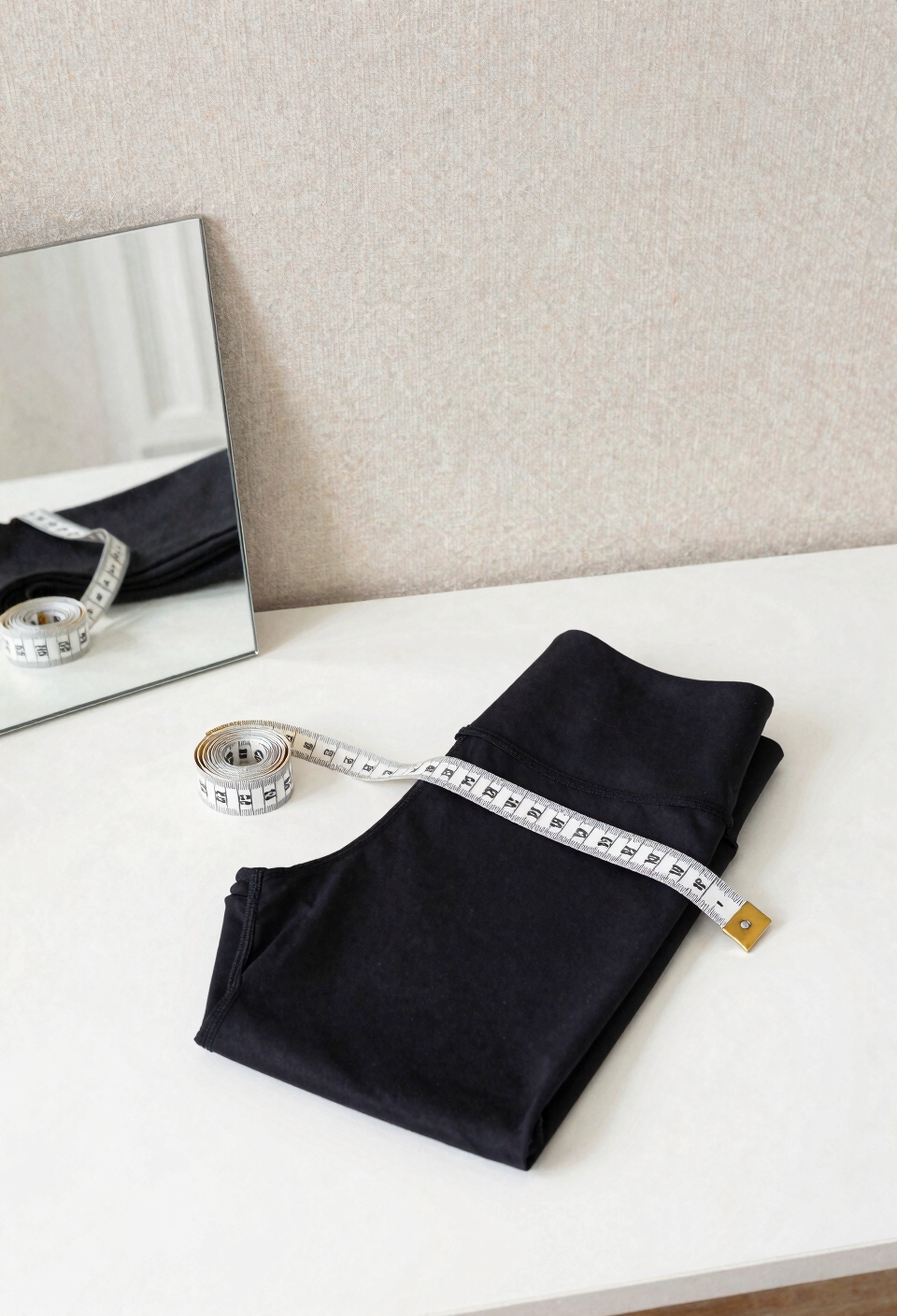
Most people get their waist measurement wrong because they’re looking in the wrong place—and honestly, I’ve done it too. You want to find your natural corsetline, that narrowest point sitting just above your belly button and below your ribcage. Stand upright with good posture alignment, then wrap your measuring tape loosely around that spot while you’re breathing normally. I mean, don’t suck in or puff out; just exist there naturally. This measurement matters because it determines whether your shorts actually stay put during burpees or if you’re constantly hiking them up like some kind of awkward dance move. For apple body shapes, high-waisted compression leggings with tummy control features work best to smooth the midsection and keep everything secure during intense exercise. I’m sure you’ve noticed how nothing’s worse than workout gear that won’t stay in place. Get this right, and everything else falls into line.
Hips: Measure at the Widest Part
Your hips are probably doing more work than you realize during a workout, and they’re definitely going to throw off your shorts fit if you measure them wrong. Stand with your feet together, then wrap that measuring tape around the fullest part of your hips—usually a few inches below your waistline. Keep the tape level and snug but not strangling. I’m sure you’ve noticed how poorly fitting shorts can ride up or slip down during movement, which ruins everything. Proper hip measurement guarantees you’ve got enough garment ease for hip flexibility without excess fabric bunching. You want room to move freely without looking like you’re wearing a tent. Bamboo fabrics offer four-way stretch for flexibility during exercises, making them an excellent choice for ensuring your workout gear accommodates hip movement while maintaining a sleek fit. This measurement matters most for shorts, tights, and track pants where fit directly impacts performance.
Inseam: Inner Thigh to Ankle
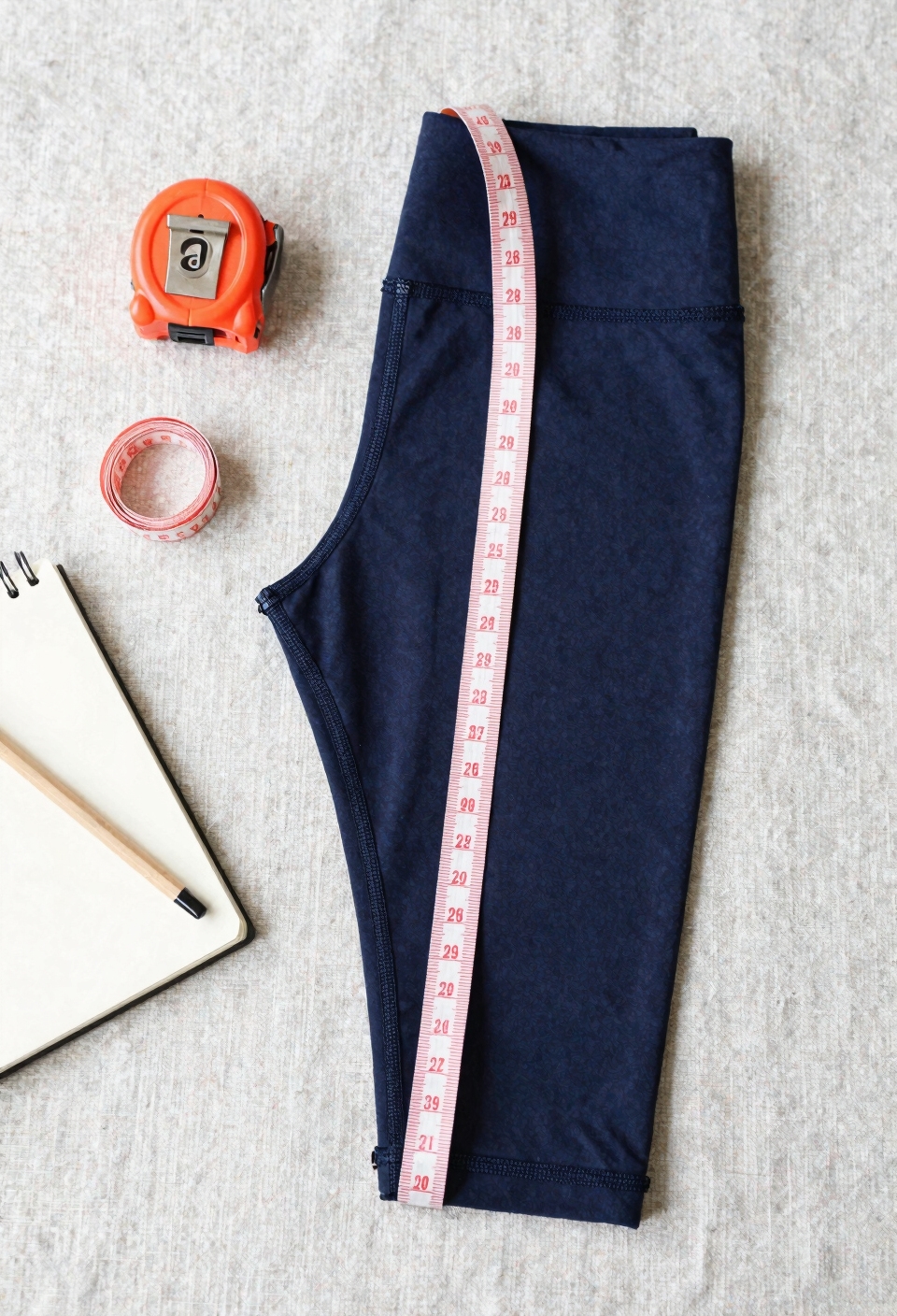
Getting your inseam right is probably the difference between shorts that feel like a second skin and ones that bunch up like you’re wearing MC Hammer pants to the gym. I’m sure you’ve noticed how inseam variation can totally tank an otherwise perfect pair of leggings or track pants.
Here’s the thing: measure from your inner thigh—right where the crotch seam hits—straight down to your ankle bone. You’ll want someone else doing this if possible, because honestly, trying to measure yourself back there is awkward and inaccurate. Now, factor in fabric stretch because some materials give you way more movement than others. That elasticity matters big time for your actual comfort during workouts. When shopping for anime-inspired workout gear, remember that sizing often runs small, so you may need to adjust your measurements accordingly. Get this measurement locked in, and you’re golden.
Sleeve Length: Shoulder to Wrist
When it comes to sleeves, you’ve got to measure from the point of your shoulder all the way down to your wrist bone, and I’m not gonna lie—this one’s way easier to nail if you’ve got a friend helping you out. Have them measure your arm reach with a slight bend at the elbow, keeping the tape snug but not strangling your arm. This determines whether your sleeve cuff lands right at your wrist without bunching up or leaving your forearms exposed. Obviously, you want enough room to move freely during workouts without the fabric riding up every time you reach overhead. I’m sure you’ve noticed how annoying short sleeves feel when you’re mid-pull-up. Get this measurement right and you’ll actually enjoy wearing your training gear. Look for tops with four-way stretch fabrics that will maintain their fit through your full range of motion and multiple washes.
Women’s Activewear: Under Bust and Inside Leg Measurements
Women’s activewear’s got some unique measurement quirks that honestly trip people up all the time, and I’m gonna walk you through the two that matter most.
First, the under bust measurement—I’m sure you’ve noticed how bra compatibility makes or breaks ladies specific tops. You’ll measure snug around your ribcage right where your bra band sits, and trust me, getting this right transforms your entire support mapping experience. It’s the difference between feeling secure during burpees or constantly readjusting. Look for adjustable sports bras that accommodate size fluctuations and provide easy nursing access during your postpartum fitness journey.
Now, inside leg measurements. You’re measuring from your crotch down to your ankle along that inner seam, and honestly, nailing this prevents that annoying bunching situation when you’re sprinting. Get another person to help if possible—you’ll thank yourself later when your leggings actually fit properly.
Decode Your Manufacturer’s Size Chart
All right, so you’ve got your measurements down—under bust, inseam, the whole nine yards—but here’s where most people fumble the ball: they grab a size chart and treat it like it’s the same across every brand, which is kind of like assuming all barbecue sauces taste the same just because they’re all red.
I’m sure you’ve noticed that one brand’s medium fits like a small while another’s hangs like a tent. Regional sizing plays a huge role here—European brands run differently than American ones. Plus, fabric shrinkage gets overlooked constantly. That premium fabric you scored might shrink after washing, so I always check the manufacturer’s specific guidance before committing. Many American brands provide detailed size charts and customer reviews for guidance to help you navigate these inconsistencies.
Always cross-reference your measurements against each brand’s actual chart, not your gut feeling.
Caught Between Sizes? Choose Smart
If you’re caught between a small and medium, go larger for anything you want loose and breathable—think running shorts or oversized training tees—but grab the smaller size if you’re after that fitted athletic look where you want the fabric hugging your muscles without actually restricting movement. Now, here’s where I’m sure you’ve noticed fabric shrinkage can mess with your choice, especially after that first hot wash. I mean, cotton-blend gear shrinks like it’s got somewhere to be. Consider your layering options too—if you’re stacking base layers under jackets, that medium suddenly feels snug. The real move? Pick based on your most-worn workout style. For modest workout wear, prioritizing moisture-wicking fabrics will help maintain both comfort and opacity during your fitness routine. You’re not totally locked in anyway; most quality activewear stretches enough to accommodate slight sizing sins.
Test the Fit Before You Buy
Now, picking the right size on paper’s one thing, but you’ve got to actually try this stuff on before you commit—and I mean really try it on, not just stand in front of the mirror doing your best mannequin impression. Do the squat test. Do the lunge test. Movement test everything because fabric that feels fine standing still might betray you mid-workout. I’m sure you’ve noticed how some gear rides up or cuts into your armpits the moment you actually move. That’s precisely what you’re hunting for. Obviously you want stretch and breathability, but here’s the thing: fit matters more than either of those. Try on multiple sizes if you’re between them. Jump around. Reach overhead. For inverted movements like yoga or gymnastics, ensure your tops are designed to stay in place during inverted movements to prevent discomfort and distraction. Your future self during burpees will thank you.
Frequently Asked Questions
How Often Should I Retake My Measurements if My Body Changes?
I’d recommend retaking your measurements every few months with seasonal check-ins, or whenever you’re pursuing specific fitness goals. Goal-based reassessments help me make certain my workout gear fits properly as my body transforms.
What’s the Best Time of Day to Measure for the Most Accurate Results?
I’d recommend measuring in the morning for steadiness before your day begins. You’ll avoid post workout swelling that skews results, ensuring you’re getting your most accurate baseline measurements for proper sizing.
Should I Measure Over Clothing or Directly on My Bare Skin?
I’d recommend measuring directly on your bare skin for accuracy. When you measure over clothing, you’ll get inflated numbers that don’t reflect your true dimensions. Skin contact guarantees proper fit for your workout gear.
How Do Different Fabric Types Affect Sizing and Fit Consistency?
Fabric types tremendously transform fit consistency through stretch recovery and fabric drape variations. I’ve found that synthetic blends behave differently than cotton, affecting how garments grip your body during workouts and movement.
Are There Body Shape Considerations Beyond Standard Measurements for Activewear?
I’d say you’ll want to take into account your posture variations and movement preferences beyond standard measurements. Athletic builds, rounded shoulders, or specific sports positions affect how gear actually fits your unique body during activity.
Conclusion
Look, I’m not gonna lie—measuring yourself feels ridiculous, like you’re preparing for some bizarre fashion competition. But you’d be shocked how many workout disasters you’ll avoid by spending five minutes with a tape measure. You’ll stop buying clothes that fit like you’re either inflating or deflating, and your future self will thank you endlessly. Honestly, it’s the easiest cheat code to looking put-together while actually sweating.