As an Amazon Associate, we earn from qualifying purchases. Some links on this site are affiliate links at no extra cost to you. Our recommendations are based on thorough research and editorial judgment.

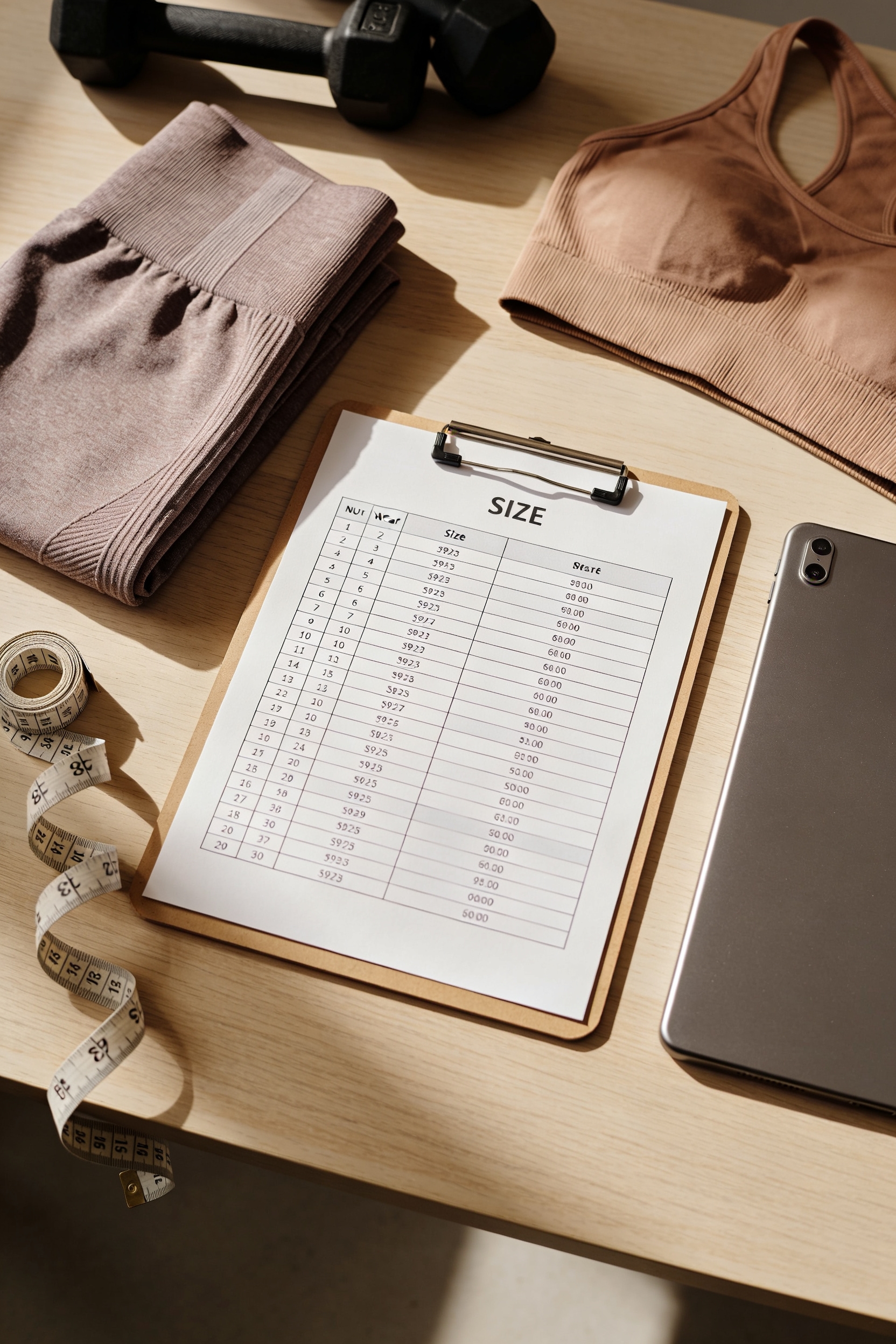
Ultimate Brand Size Chart For Gym Wear

Look, I’m sure you’ve noticed that grabbing your usual size across different gym brands is basically gambling—Nike’s gonna make you size up 1.5 sizes like some kind of joke, while Adidas plays it straight and true to size. Champion runs larger, Russell’s basically a tent, and Sport-Tek? That’s oversized by design. The real move is measuring your actual chest, waist, and inseam, then comparing those numbers to each brand’s specific chart instead of guessing. Stick with that approach and you’ll finally stop funding return shipping companies.
Key Takeaways
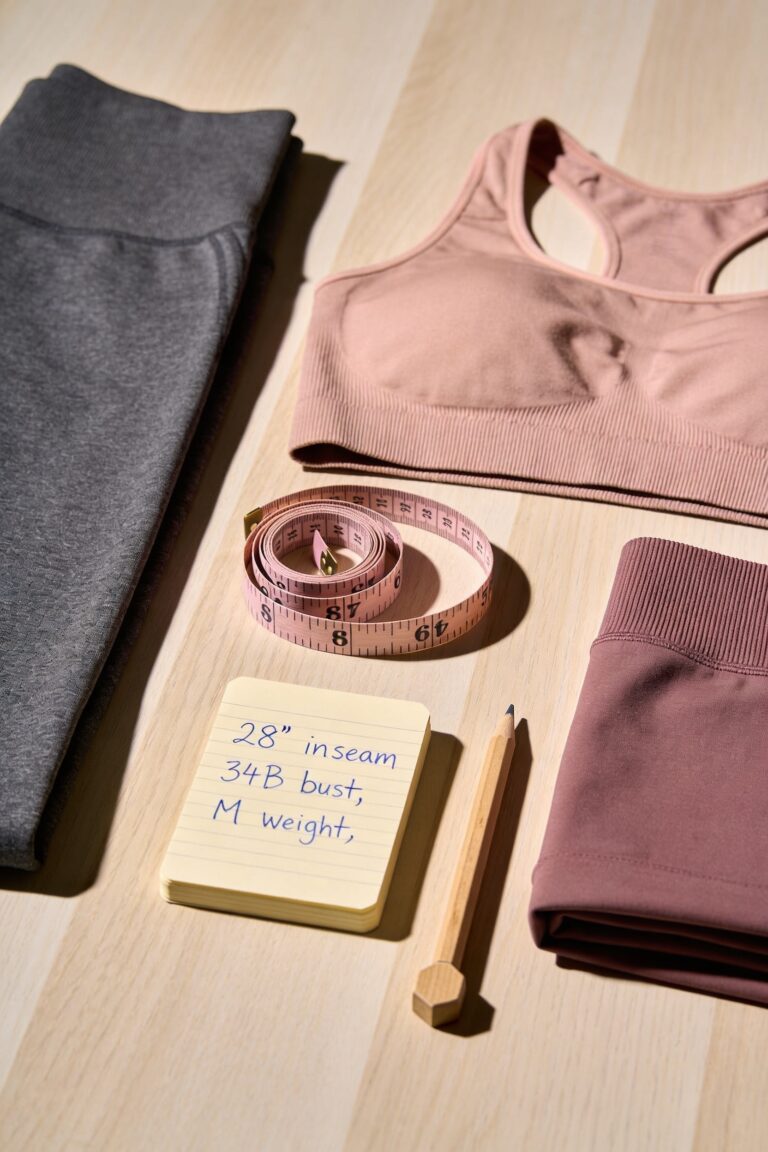
- Use body tape measure for chest (fullest part), waist (natural line), and inseam (crotch to ankle) for accurate sizing.
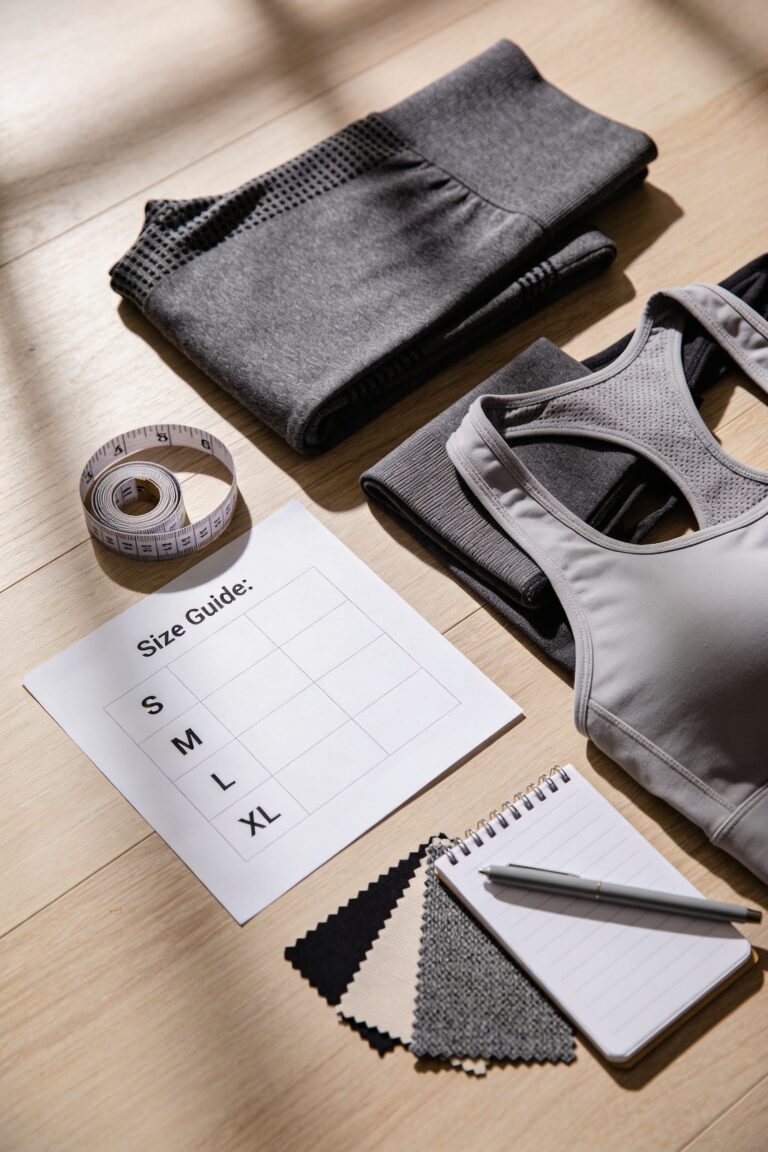
- Compare measurements directly to product-specific size charts rather than relying on generic brand guides for optimal fit.
- Nike runs small (size up 1–1.5); Adidas runs true to size; Russell runs roomier; Sport-Tek leans baggier.
- Fabric stretch and performance technology affect fit significantly—elastic blends may fit true while rigid fabrics require sizing up.
- Check return policies before purchase since sizing varies between brands, collections, and seasonal runs despite published size charts.
How to Measure Your Body for Gym Wear Accuracy
Getting your measurements right is honestly the difference between gym wear that fits like a dream and gym wear that’s either strangling you or flapping around like a sail, and I’m sure you’ve noticed how frustrating it is when you order something online that looked perfect only to have it arrive feeling completely off.
Here’s the thing: you need a body tape measure and a posture check before you start. Stand naturally—not sucking in your gut like you’re at a high school reunion—and measure your chest at the fullest part, your waist at your natural line above the hips, and your inseam from crotch to ankle. Compare these numbers directly to the brand’s specific chart, not some generic guide. Every brand’s got their own quirks, and that’s where most people get tripped up. When shopping for modest workout clothes, pay special attention to how four-way stretch materials affect sizing, as they enhance mobility and fit differently than standard fabrics.
Why Every Gym Brand Sizes Differently
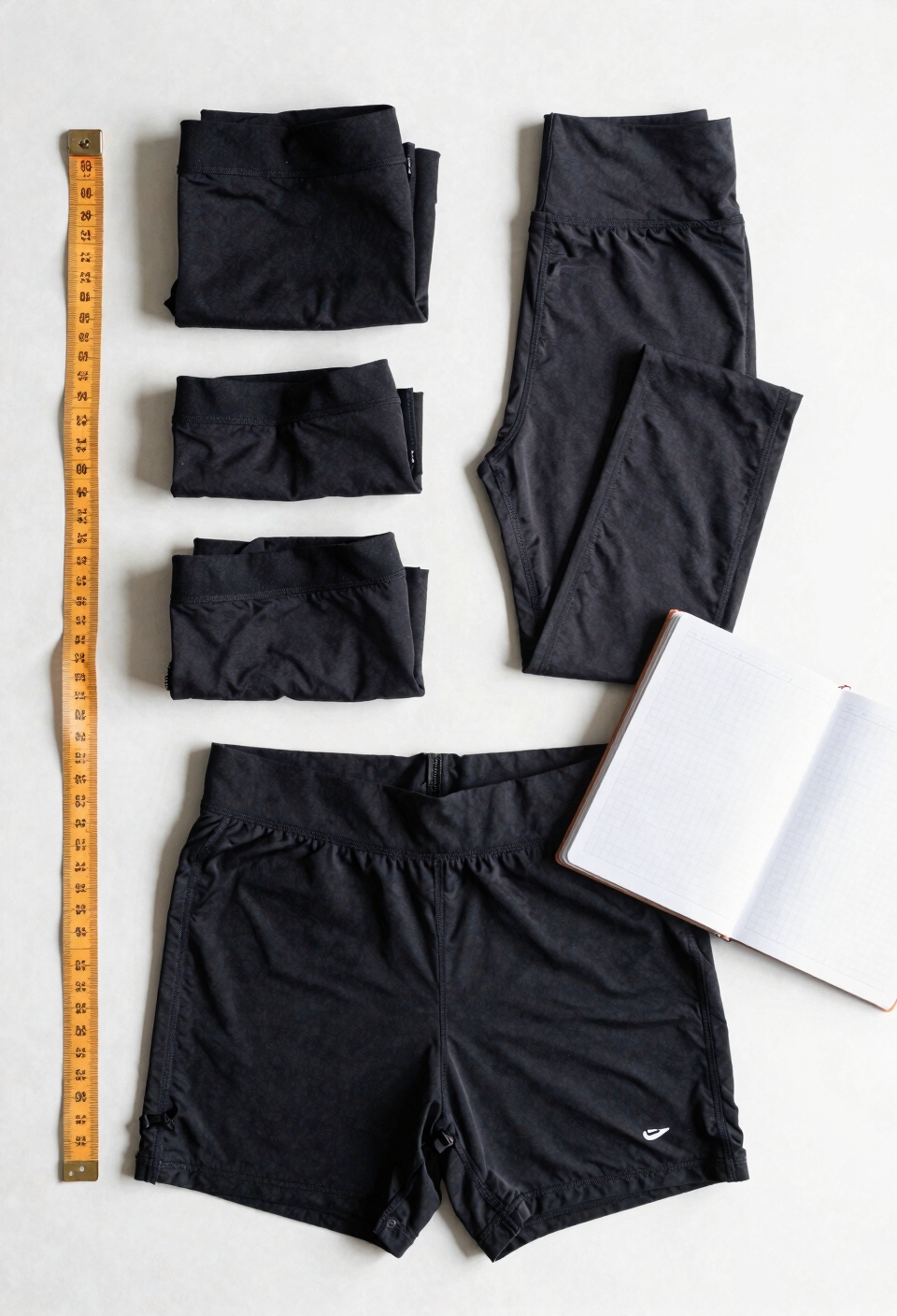
Since you’ve already got your measurements down, here’s where things get weird: the reason Nike runs small while Champion runs large isn’t some random manufacturing accident—it’s actually baked into how these brands design their stuff. I’m sure you’ve noticed that fabric technology differs wildly between companies. Nike uses performance fabrics engineered for compression and movement, which naturally fits snugger. Champion opts for looser cuts with traditional materials that give you room to breathe.
Now throw in regional grading—different factories interpret sizing specs differently depending on location. You’ve got Nike’s Asian facilities cutting tighter, while Russell’s American production runs roomier. It’s like they’re speaking different size languages. Brands like Lululemon and PUMA have invested in advanced moisture-wicking materials that influence how their garments are constructed and fitted. The takeaway? You can’t just grab your usual size blindly. Each brand’s got its own personality baked into the seams.
The Size-Up/Size-Down Decision Matrix
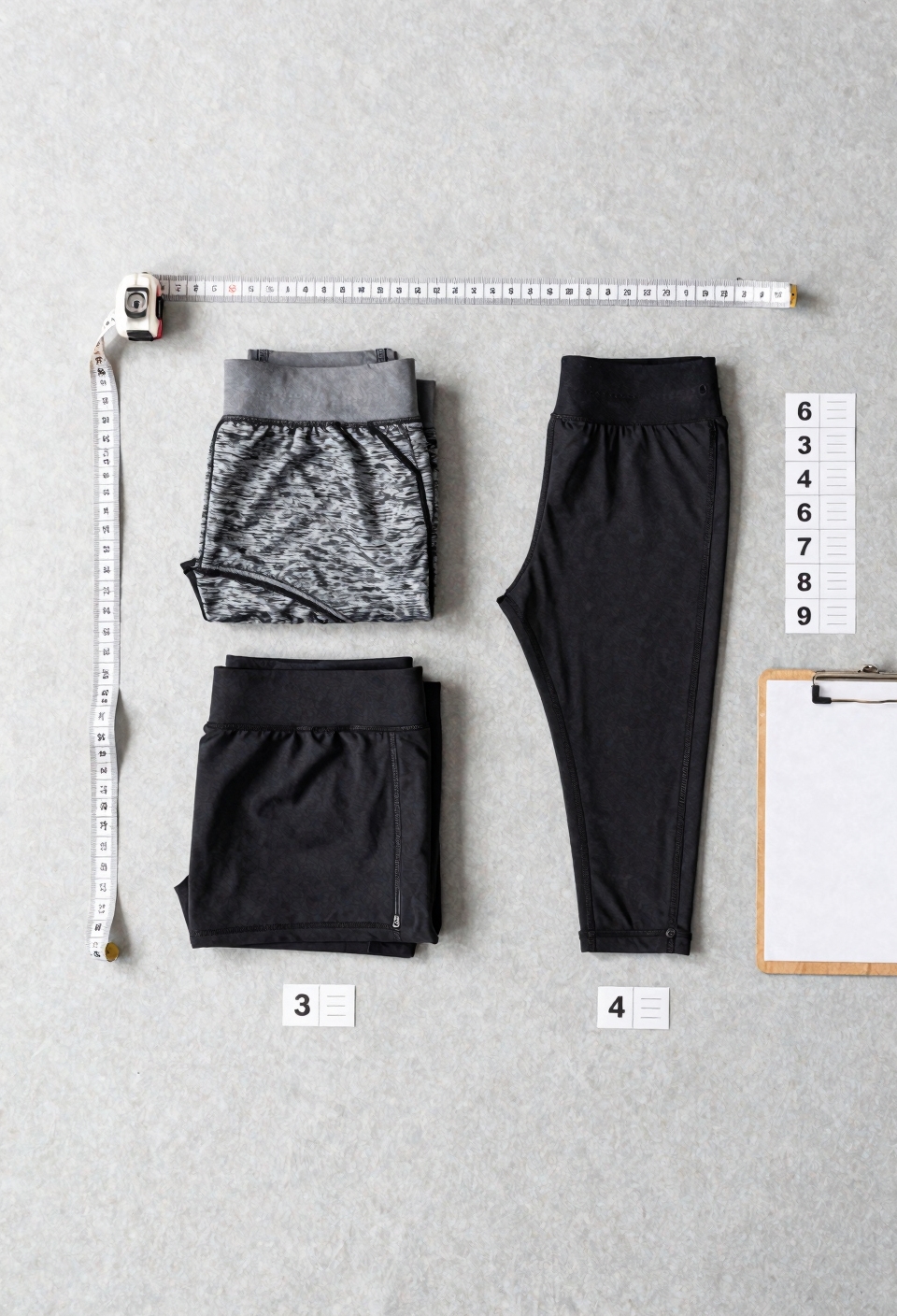
Now that you know why brands size differently, you’re probably staring at your measurements wondering whether to order your normal size or take a gamble on sizing up or down—and that’s where things get actually strategic.
Here’s the thing: I’m sure you’ve noticed fabric stretch changes everything. A rigid cotton tee? You might size up for comfort. But elastic blends? Stick with your true measurement. Your layering strategy matters too—if you’re planning tight base layers under loose shirts, size up so you’re not fighting bunched fabric all day. I mean, obviously you don’t want to feel like a sausage casing. For merino wool specifically, potential shrinkage after washing necessitates careful size selection to ensure your investment holds up over time.
Between sizes, I’d lean larger for that looser, breathable vibe. You’ll move better anyway.
Nike and Adidas: Performance Brand Sizing Breakdown
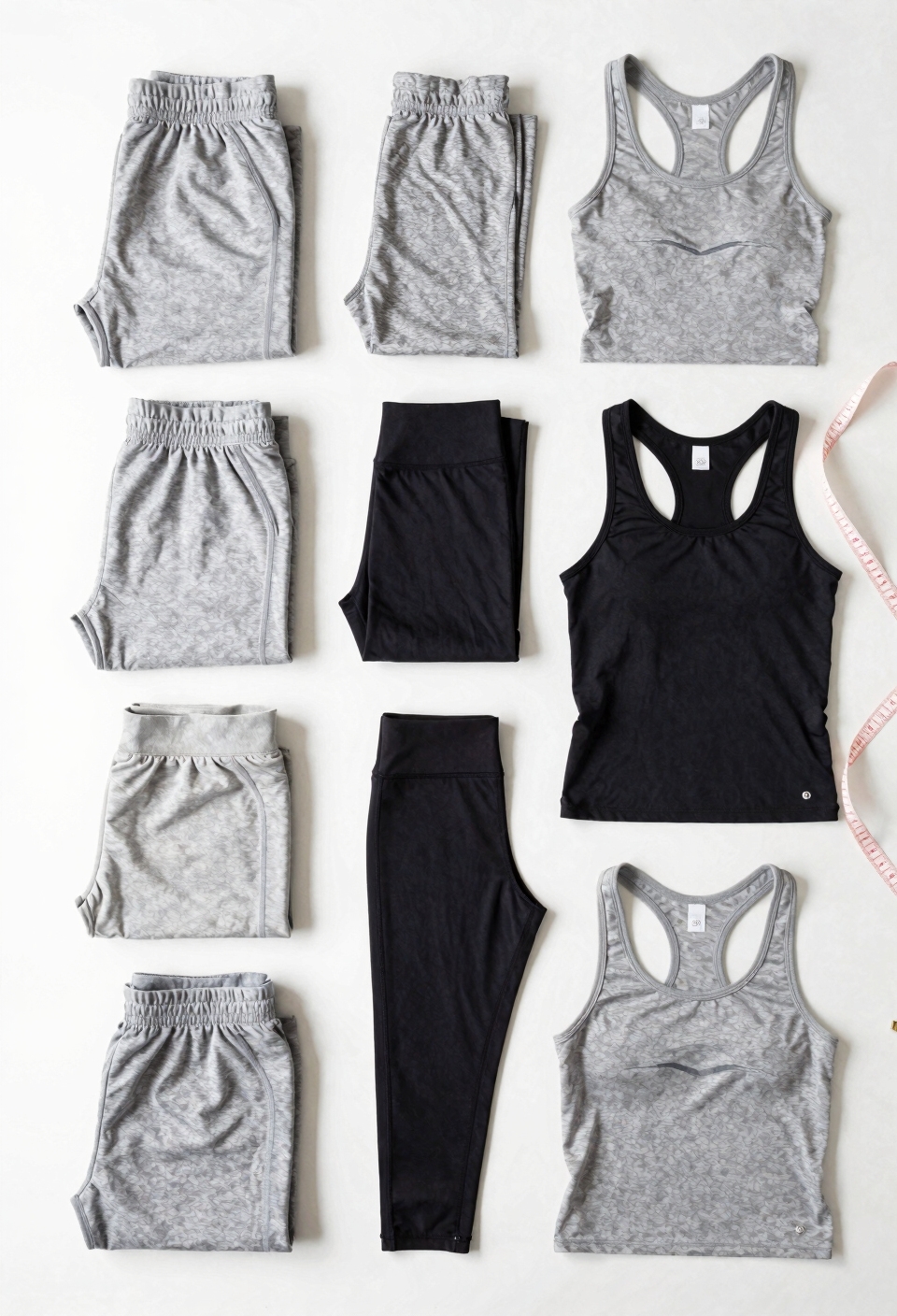
When you’re shopping for Nike or Adidas, you’ve basically got to throw out whatever sizing assumptions you’ve built up from other brands—and I say that as someone who’s learned this lesson the hard way, standing in a fitting room wondering why my usual size suddenly felt like a compression suit.
Nike runs notoriously small, especially their shoes. You’ll want to size up 1 to 1.5 sizes, particularly if you’ve got wider feet—shoe width matters more than you’d think. Adidas, meanwhile, offers thorough sizing guides online because they’re not trying to mess with you. Their performance materials tend to fit truer to size than Nike does.
Now, here’s the thing: fit testing is essential. I’m sure you’ve noticed these sizing differences vary by collection, so don’t assume consistency. Premium brands like Tavi also demonstrate that four-way stretch fabric in modern athletic wear provides the comfort and mobility needed to find your true size across different garments.
Champion and Russell: Casual Athletic Brand Fit Guide
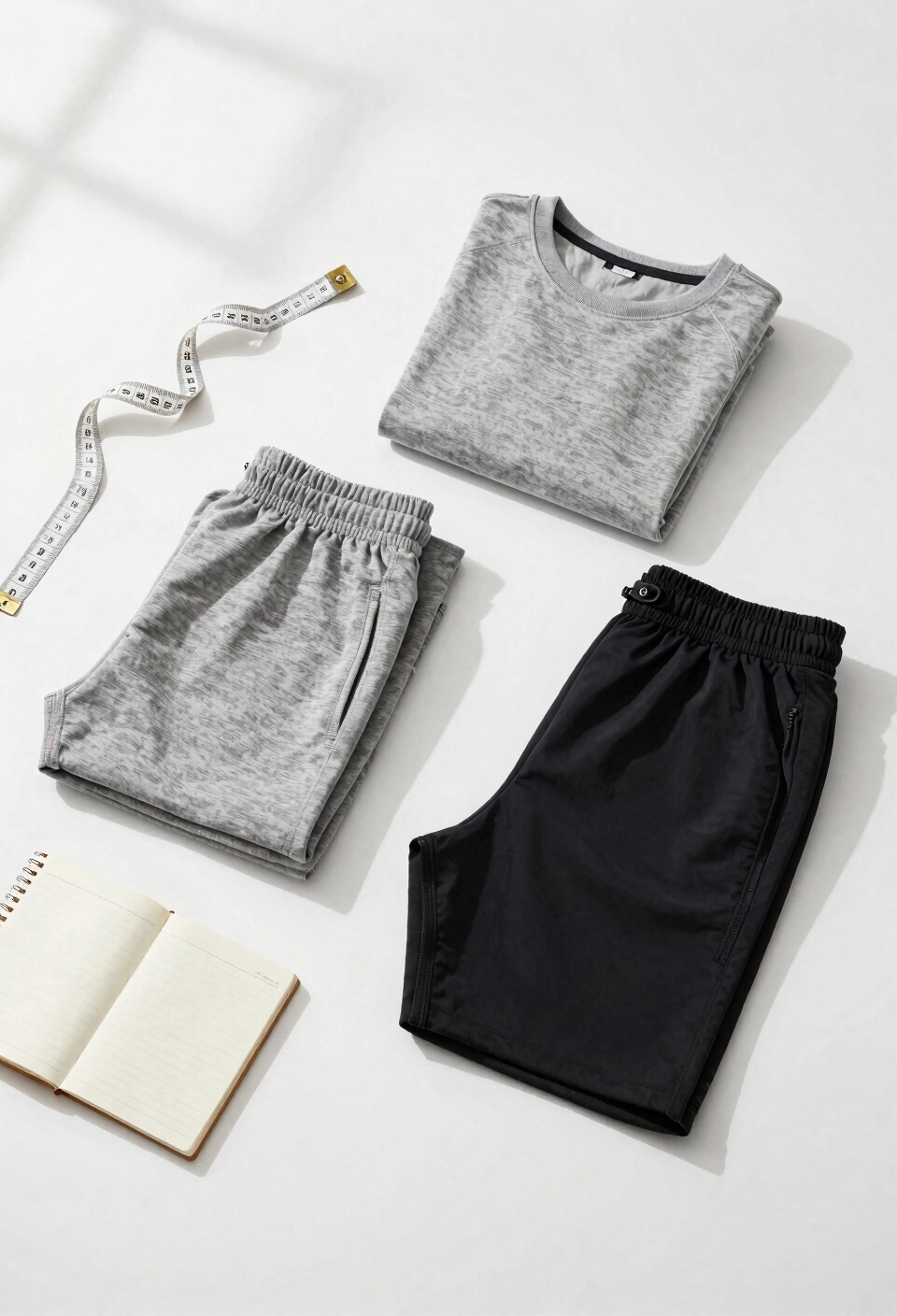
If you’ve tried on Champion or Russell after getting burned by Nike’s sizing games, you’re going to notice something invigoratingly different—these brands actually want you to fit into your clothes without having to consult a cryptographer. Champion runs reliable and slightly larger than advertised, so you’re not gambling when you grab your usual size. Russell, though? I mean, they’re roomier across the board, and honestly, their larger sizes run even bigger—which is why you’ll want to size down if you’re chasing that tailored fit. Both brands embrace retro silhouettes that feel vintage-authentic, and they’re increasingly focused on fabric sustainability. The importance of accurate sizing cannot be overstated, as many American brands provide detailed size charts and customer reviews for guidance to ensure proper fit. Obviously, you should still check product-specific charts, but these two won’t leave you questioning your body. That’s revitalizing.
Active by GS: True-to-Size Women’s Activewear Sizing
After wading through Champion’s reliable-but-roomy cuts and Russell’s “go-down-a-size” shenanigans, Active by GS feels like somebody finally made a sizing chart that doesn’t require a PhD in brand archaeology to decode. You’re working with straightforward body measurements—bust, waist, inseam—and the fit feedback I’ve seen is consistently solid. Their fabric stretch accommodates natural movement without swimming in excess fabric, which honestly shouldn’t be revolutionary but apparently is. The whole “runs true to size” thing means you’re not playing guessing games. Now, if you’re between sizes, you’ve got options: go larger for that looser vibe or smaller if you want things snug. I mean, that’s genuinely transparent sizing philosophy right there. Active by GS also incorporates high-waisted compression leggings with reinforced seams to ensure their garments stay in place during intense workouts, giving you the confidence that proper fit translates directly to performance.
Sport-Tek and Badger: Oversized Fit Explained
Because Sport-Tek and Badger aren’t exactly trying to hug your body the way Active by GS does, you’re dealing with a fundamentally different beast here—these brands are playing the oversized game, and I’m sure you’ve noticed that intentional roominess is kind of the whole point when you’re looking at sportswear that’s built for movement and durability rather than that snug second-skin feel. Now, here’s where it gets interesting: oversized layering actually works in your favor with these brands. The fabric drape feels deliberate rather than sloppy, which shapes customer perception pretty heavily. I mean, you’re not drowning in material—you’re getting functional space. Badger runs mostly true to size despite the generous cut, while Sport-Tek tends toward the baggier side, so ordering your normal size usually nails fit consistency. That’s the sweet spot. When you’re selecting oversized pieces, remember that high-quality fabrics with proper breathability and durability will maintain their shape and appearance even with the extra room built in.
FORM Gym Wear Size Chart and Measurements
Now that you’ve got a handle on the oversized-fit brands and how they play with roominess, FORM Gym Wear’s taking a totally different approach—they’re all about precision measurements that actually match your body, not some loose interpretation of what “large” might mean on any given Tuesday.
I mean, they’ve got specific bust, waist, and inseam ranges for each size, which honestly feels invigorating. You’re looking at XS through XL with actual numbers—XS hits 32-34 inches bust, S runs 34-36, and so on up the ladder. All their pieces feature sweat wicking fabrics and seamless construction, so you’re not dealing with uncomfortable chafing during your workout. Since sizing may vary significantly between brands and styles, you should always check size charts before purchasing to ensure optimal performance and comfort. Obviously, you’ll want to measure yourself against their chart. It’s straightforward sizing that actually works.
Brand Comparison: Which Runs Large, Small, or True?
Once you’ve nailed down your actual measurements with FORM’s precision approach, you’re gonna want to know how other brands stack up—because let me tell you, there’s a wild spectrum out there where one brand’s “large” is basically another brand’s medium with delusions of grandeur. Nike runs small, especially their shoes, so size up 1 or 1.5 if you’ve got wider feet. Champion, though? They’re reliably larger than advertised, which I’m sure you’ve noticed if you’ve owned their stuff. Russell goes roomier across the board—larger sizes especially balloon out. Adidas stays true, Badger occasionally runs slightly small, and Sport-Tek oversizes like they’re compensating for something. Fabletics offers inclusive sizing from XS to 4X, though many users report their leggings run small and suggest sizing up accordingly. Factor in fabric stretch and seasonal runs, and suddenly you’re basically playing Tetris with your closet.
Finding Your Fit: Size Conversions Across 8 Major Brands
Instead of just guessing or ordering three sizes and returning two like some kind of gym-apparel roulette player, you can use what you already know about how these eight major brands actually fit and map your way to the right size every single time, which honestly saves both your money and your dignity when you’re not doing the closet try-on dance. Now, I’m sure you’ve noticed that fabric stretch varies wildly between brands—Nike’s tech stuff practically clings to you, while Russell gives you room to breathe like you’re wearing a tent. Check each brand’s return policies before committing, because honestly, even the best size charts occasionally lie. Take measurements against product-specific guides, not just the brand’s general sizing, and you’ll nail it. Most crop tops run small, so sizing up is recommended to ensure you get the comfort and fit you’re looking for. Obviously, some trial and error still happens, but you’re basically playing with cheat codes now.
Frequently Asked Questions
How Do I Know if Gym Wear Will Shrink After Washing and Affect My Size?
I’d check the care symbols on your gym wear’s tag first—they’ll tell you the fabric content and washing instructions. Natural fabrics like cotton shrink more than synthetics. I always wash in cold water and air dry to minimize fabric shrinkage.
Are There Specific Brands That Accommodate Larger Cup Sizes With Standard Sizing?
I don’t see specific brands highlighted for extended cups in my knowledge, but I’d recommend checking individual product pages for adjustable straps and extended cup options. Russell offers wider sizing ranges that might work better for you.
What’s the Return Policy if I Order the Wrong Size From These Brands?
I’d love to tell you there’s a universal return policy—spoiler alert: there isn’t. You’ll find refund windows and exchange fees vary wildly by brand. Check each company’s specific terms before ordering; I can’t guarantee your sizing mishap’s covered.
Do Men’s and Women’s Sizing Run Differently Within the Same Athletic Brand?
Yes, I’ve found that men’s and women’s sizing run differently within the same athletic brand. Gender differences are significant—men’s cuts are typically roomier through the chest and shoulders, while women’s pieces taper at the waist. Always compare sizing charts.
How Should I Size Petite or Tall Frame Options Outside Standard Inseam Measurements?
I’d recommend checking if brands like BE Ultimate offer tailored length options after you provide your measurements. For petite adjustments, size down in inseam; for tall tailoring, contact customer support directly—they’ll customize your fit beyond standard charts.
Conclusion
Look, I’m not gonna sugarcoat it—gym wear sizing is basically a minefield where every brand’s playing by different rules. But here’s the thing: now that you’ve got the roadmap, you’re armed and dangerous. You know your measurements, you understand the quirks, and honestly, you’re probably gonna make smarter choices than most people wandering blindly through athletic departments. Just measure twice, order once, and you’ll be golden.