As an Amazon Associate, we earn from qualifying purchases. Some links on this site are affiliate links at no extra cost to you. Our recommendations are based on thorough research and editorial judgment.

3 Lab Tests For Gym Wear Color Longevity

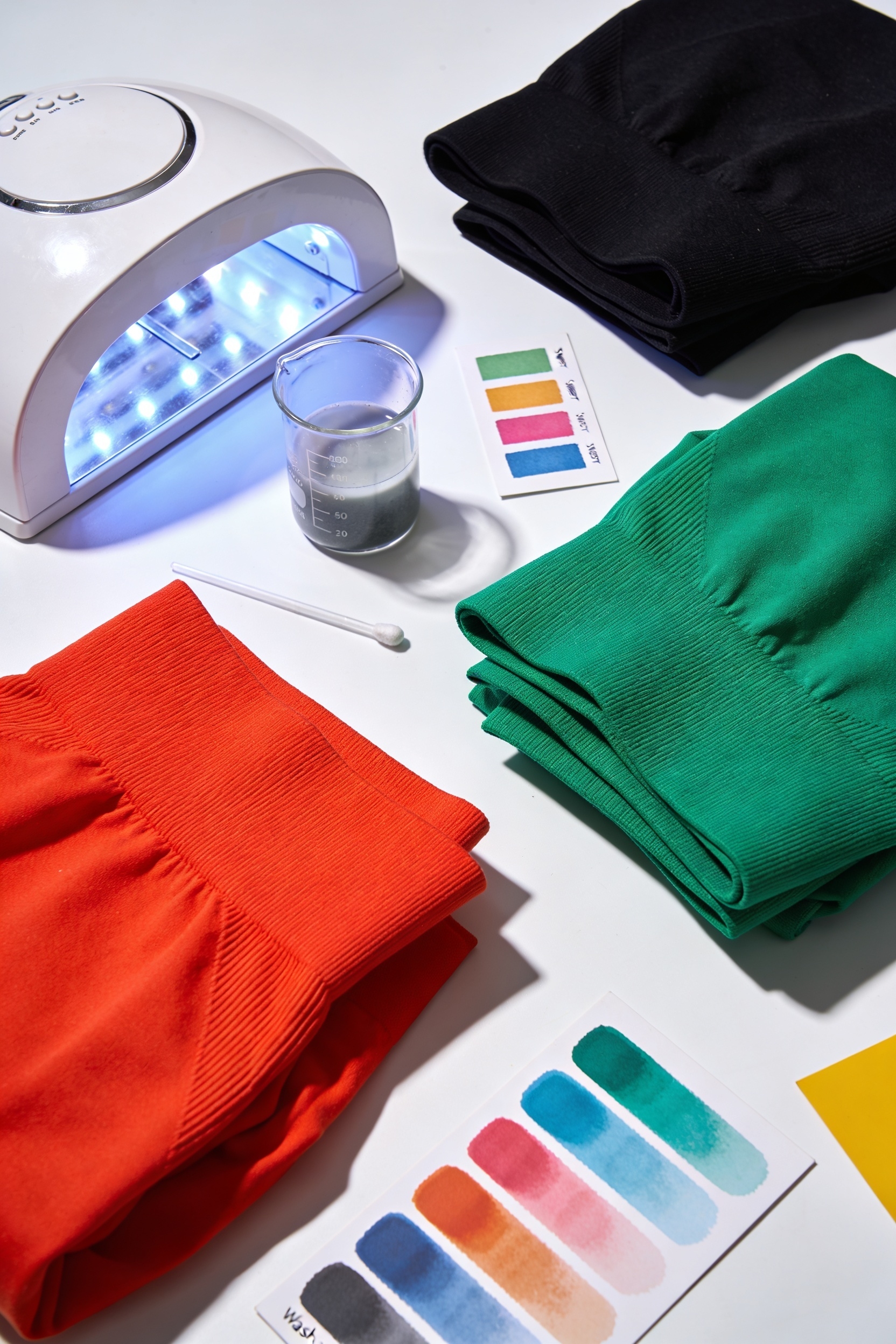
Labs use three specific tests to predict how long your gym gear actually stays vibrant. First, they simulate sweat exposure with acidic and alkaline solutions to see how your dyes hold up against the chemistry of your body. Then they run repeated wash cycles at real-world temperatures because, let’s be honest, you’re gonna throw that shirt in the machine constantly. Finally, they blast samples with accelerated UV light to mimic months of sun damage in weeks. Stick with color fastness ratings of 4-5, and you’ll actually keep your favorite tee looking fresh—though there’s more nuance to picking winners.
Key Takeaways
- Sweat simulation testing exposes fabric swatches to acidic and alkaline perspiration conditions to assess dye stability.
- Repeated wash cycle testing with specified detergents and temperatures predicts real-world color retention and fabric durability.
- Accelerated UV exposure testing simulates months of sunlight damage in weeks to evaluate fading resistance.
- Color fastness ratings in the 4-5 range indicate acceptable longevity for gym wear under normal use conditions.
- Moisture-wicking fabrics like bamboo reduce color degradation by minimizing prolonged sweat exposure on garment surfaces.
Why Sweat Breaks Down Color Fastness
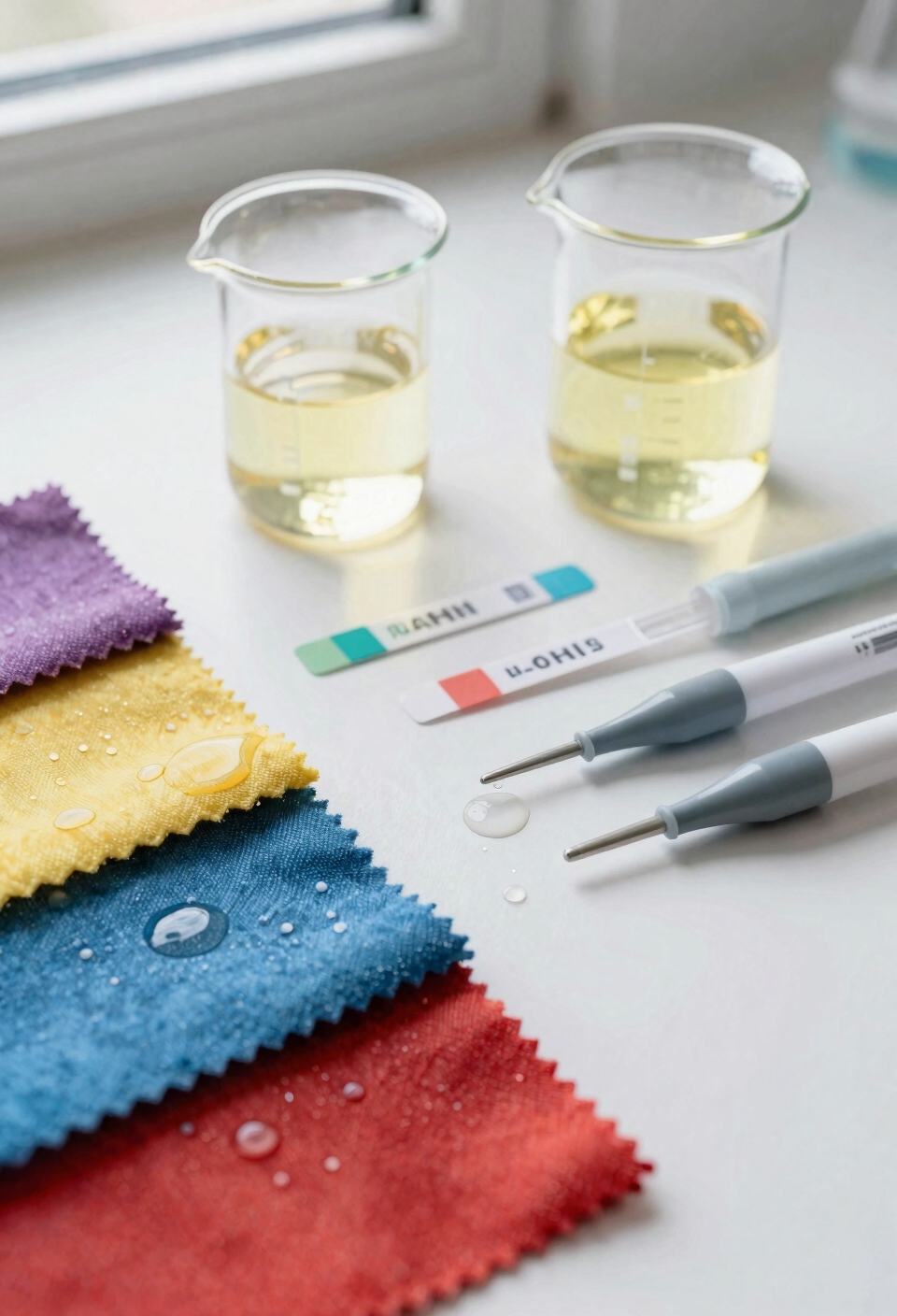
Now, if you’ve ever pulled a sweaty gym shirt out of your gym bag and noticed the color looked kinda faded compared to when you bought it, well, you’ve basically witnessed chemistry in action—and honestly, it’s not pretty. Here’s what’s happening: your sweat’s acidic, and that acidic degradation literally eats away at the dye molecules bonded to your fabric. I’m sure you’ve noticed this happens faster in summer or after particularly brutal workouts. What really accelerates things is metal catalysis—minerals in your sweat, combined with trace metals in the dye itself, basically fast-track the color breakdown process. It’s like you’re running a rust experiment on your favorite shirt. The combination of perspiration’s pH and those metallic interactions? That’s your color’s kryptonite right there. Bamboo fabrics, which naturally wick sweat away from the skin for comfort, may help reduce this color degradation by decreasing prolonged moisture exposure on the garment surface during and after workouts.
How Labs Test Color Fastness: Wash, Sweat, and Sun
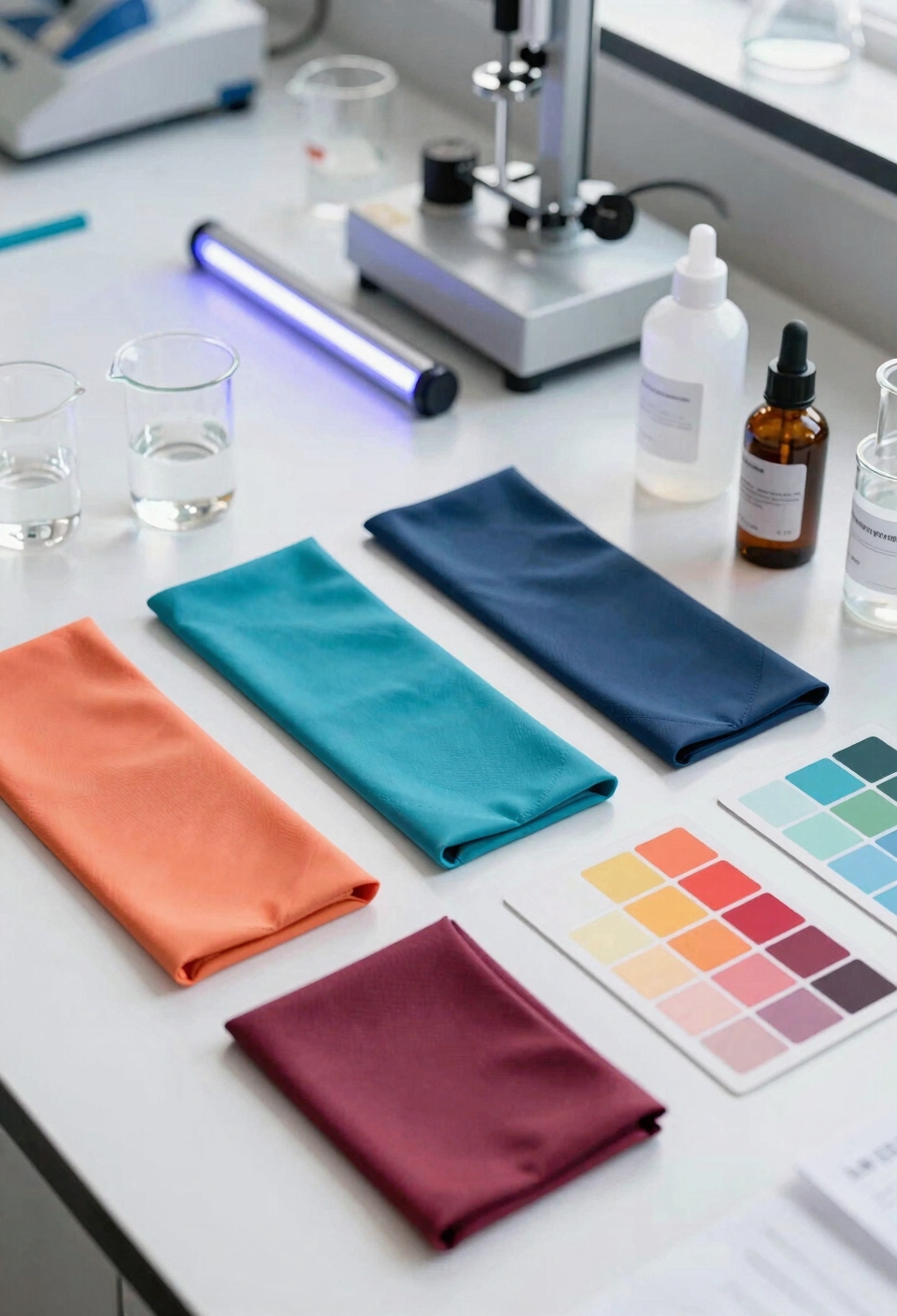
So we’ve established that your sweat’s basically a color-destroying cocktail of acids and metals, but here’s the thing—manufacturers can’t just throw their hands up and say “well, that’s how it goes.” They’ve got to prove their gym wear’ll hold up to your sweat, your washing machine, and those brutal UV rays that’ll fade anything left in the sun long enough.
Labs use fabric swatch testing to simulate real-world abuse. They’ll run your gear through repeated wash cycles with specific detergent types and temperatures, exposing it to both acidic and alkaline sweat conditions. Then they hit it with simulated lighting protocols—basically artificial sunlight that mimics months of actual UV exposure in weeks. I mean, they’re basically creating a highlight reel of everything terrible you could do to your clothes, compressed into controlled conditions that actually predict whether you’re getting your money’s worth.
Quality fabrics with moisture-wicking properties are particularly tested to ensure they maintain their performance characteristics and color integrity through these rigorous lab protocols, which is why premium gym wear tends to outperform budget alternatives in real-world durability testing.
What Color Fastness Grade Should You Buy?
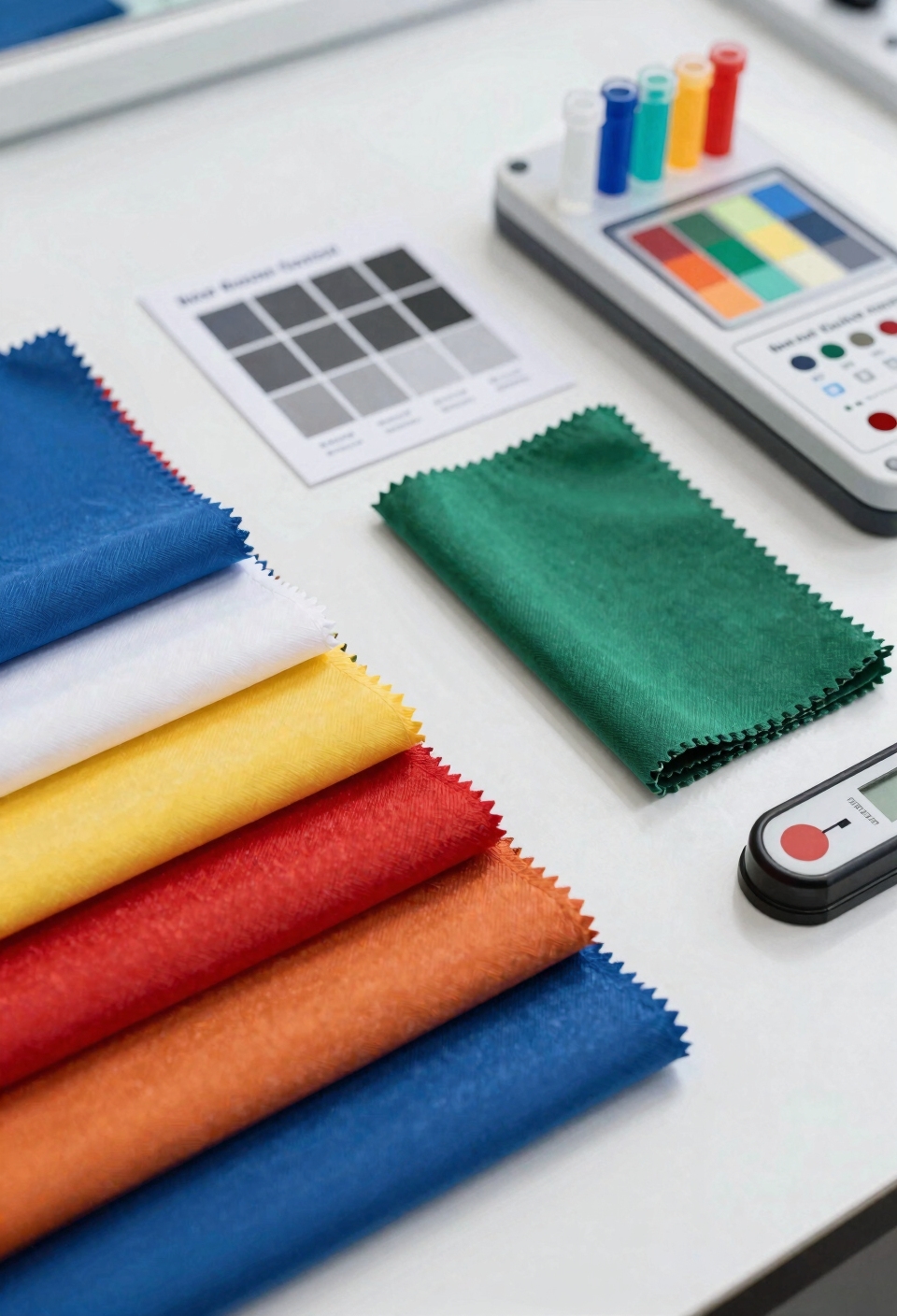
Before you drop cash on gym wear that’ll actually look decent after month three, you’ve got to understand that color fastness grades aren’t just some arbitrary numbering system manufacturers invented to confuse you—they’re literally standardized ratings that tell you how well your gear’ll survive the acid bath of your sweat and the relentless fade of sunlight.
I’m sure you’ve noticed how some shirts fade like they’re allergic to actually holding color. That’s where grades matter. Look for 4-5 ratings—anything lower and you’re basically buying temporary fashion. The dye chemistry behind premium grades handles both consumer expectations and real-world abuse. Honestly, I’d rather pay extra upfront than watch my expensive leggings turn into a washed-out ghost after six weeks of serious training. Premium moisture-wicking fabrics also play a critical role in color retention, as quality materials maintain their structural integrity through repeated washing and intense workouts, which helps preserve dye molecules more effectively over time.
Frequently Asked Questions
How Often Should Athletes Retest Gym Wear Color Fastness After Purchase?
I’d recommend you retest gym wear color fastness seasonally or post-tournament when you’ve subjected it to intense use. This guarantees I’m catching fading early before significant color loss compromises your gear’s performance.
Does Fabric Material Type Affect Color Fastness Test Results Differently?
Absolutely—fabric materials are a million times more critical than most realize. I’ve found weave structure directly influences dye chemistry absorption, so polyester and cotton show drastically different color fastness results under identical testing conditions.
Can Home Washing Methods Replicate Lab Color Fastness Testing Conditions Accurately?
I’d say home laundering can’t accurately replicate lab conditions. DIY swatches lack controlled water temperature, detergent standardization, and mechanical agitation precision that labs use for consistent, reproducible color fastness results.
What’s the Relationship Between Color Fastness Grades and Actual Garment Lifespan?
I’ve found that premium sportswear rated Grade 4-5 typically lasts 2-3 years versus Grade 2-3’s single year. You’re seeing dye chemistry’s real impact through wear testing—higher grades mean your gym clothes won’t fade prematurely.
Are Color Fastness Standards Different for Men’s Versus Women’s Sportswear?
I’ve found that color fastness standards aren’t inherently different by gender—they’re uniform across testing protocols. However, marketing differences and fit standards often create perceived distinctions in how brands position their sportswear lines.
Conclusion
Look, I’m sure you’ve noticed how your favorite gym shirt fades like old denim left in the sun. Here’s the thing: now you know what those lab tests actually mean, you can stop guessing and just grab stuff rated Grade 4 or higher. Your sweat’s gonna do what it does, but at least your colors won’t surrender without a fight. Spend the extra few bucks—your closet will thank you.