As an Amazon Associate, we earn from qualifying purchases. Some links on this site are affiliate links at no extra cost to you. Our recommendations are based on thorough research and editorial judgment.

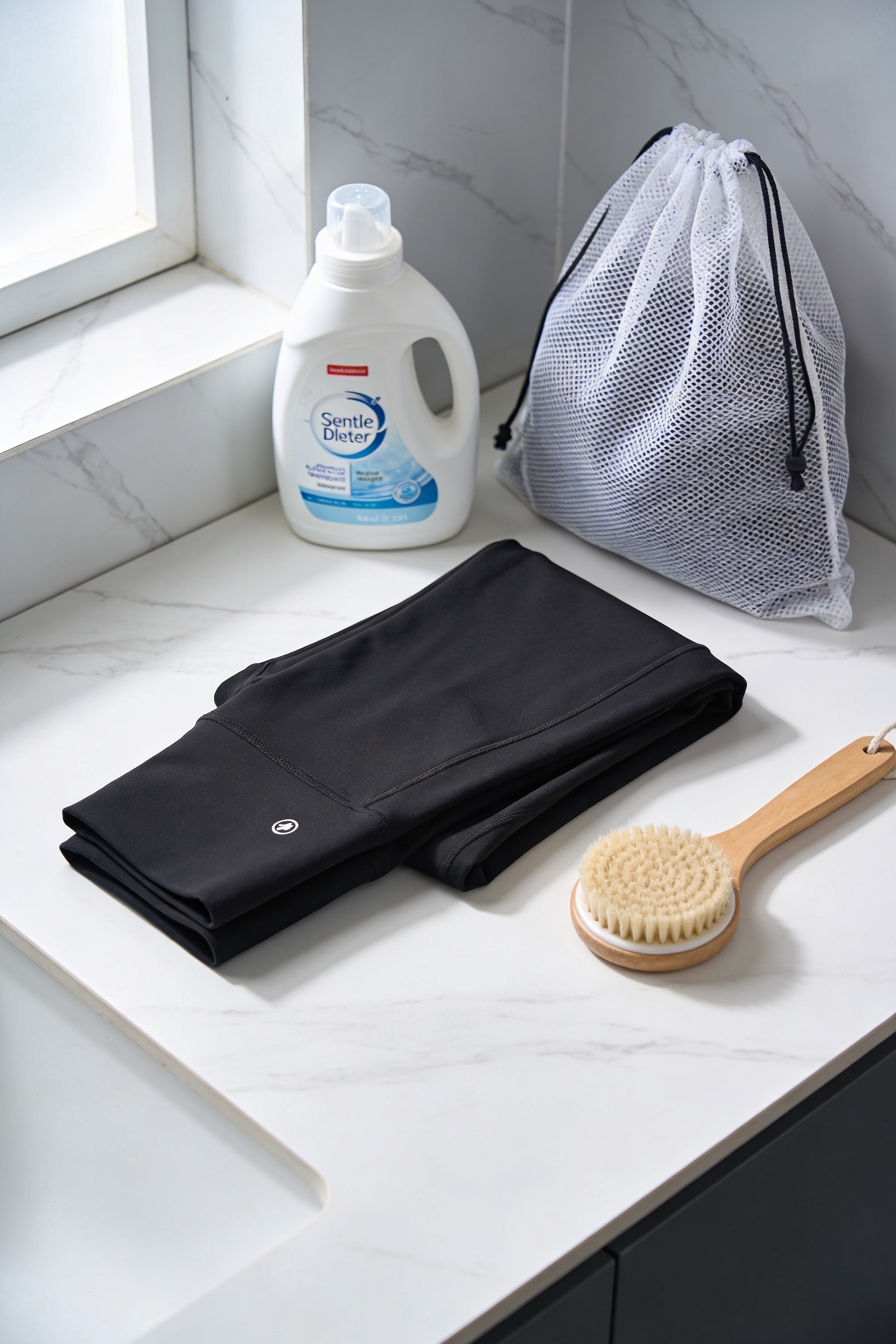
What Makes Your Workout Leggings Last Longer?

Look, I’m sure you’ve noticed your favorite leggings turning into sad, stretched-out versions of themselves way too fast—but here’s the thing: most of that premature aging isn’t inevitable, it’s just what happens when you treat high-tech synthetics like regular cotton. Wash cold, turn them inside out, skip the fabric softener, hang-dry in shade, and inspect seams before washing. Invest in quality polyester-spandex blends too. Now, if you want the full breakdown on protecting that investment, there’s plenty more to uncover.
Key Takeaways
- Wash in cold water on delicate cycles to preserve spandex elasticity and prevent synthetic fiber breakdown.
- Turn leggings inside out and use mesh laundry bags to reduce friction, pilling, and seam damage.
- Skip fabric softener and air-dry away from direct sunlight to maintain stretch and prevent color fading.
- Choose quality polyester-nylon-spandex blends with durable construction for better longevity than cheap cotton-heavy alternatives.
- Inspect seams and elasticity before washing to catch damage early and prevent further deterioration during cycles.
Wash Your Leggings in Cold Water Only
Look, I’m sure you’ve noticed that your favorite leggings start feeling loose and saggy after a few washes, and here’s the thing—hot water’s basically kryptonite for that stretchy spandex blend you paid good money for. Cold water cycles are your secret weapon here. I mean, heat literally breaks down high-tech fibers, compromising fiber preservation and destroying elasticity faster than you can say “gym membership.” Now, the delicate cycle matters too if your machine has one. You’re not just protecting your leggings—you’re also scoring energy savings since heating water costs more anyway. Products like Under Armour athletic apparel are designed to maintain durability through numerous washes without fading or piling, which is exactly what you’ll achieve by keeping your water cold. Obviously, you want those leggings lasting longer than your New Year’s resolution, so keep it cold. Your future self wearing these same leggings six months from now will thank you.
Turn Leggings Inside Out Before Washing
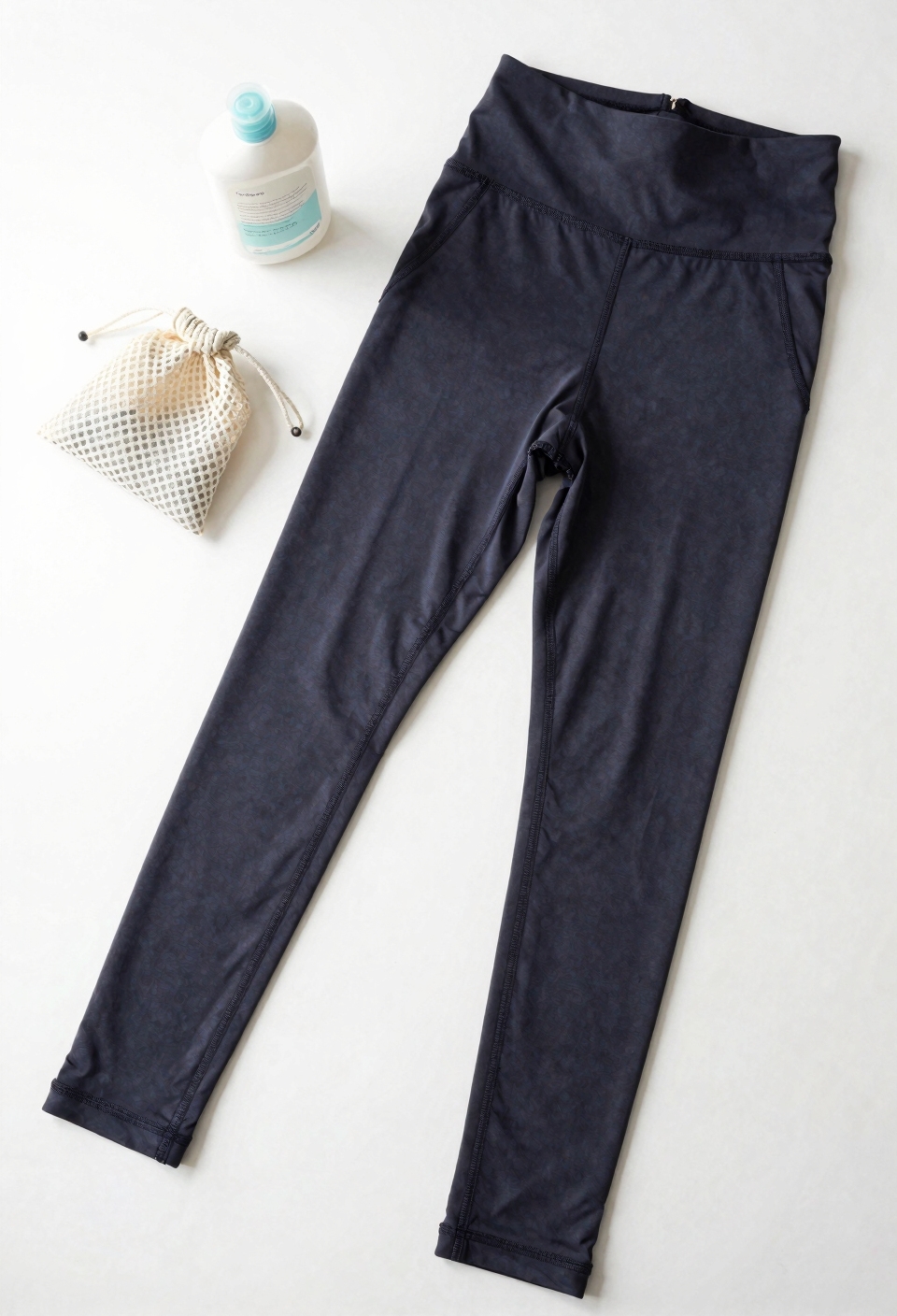
Flip them inside out before they hit the wash. I’m sure you’ve noticed how the outer surface takes the brunt of friction during your workouts—that’s where pilling starts. When you turn your leggings inside out, you’re basically flipping the script on wear and tear, protecting those fibers that everyone actually sees. Now, here’s the thing: while you’ve got them inside out anyway, do a quick cuff inspection. Check for loose threads or small tears before washing because water’s only going to make existing damage worse. All right, I won’t pretend inside out storage matters between wash cycles, but the pre-wash flip? That’s legitimately one of the easiest moves you can make to keep your leggings looking fresh longer. Pairing this care routine with machine washing in cold water will further extend the lifespan of your activewear and maintain its elasticity.
Use a Mesh Bag for Extra Protection
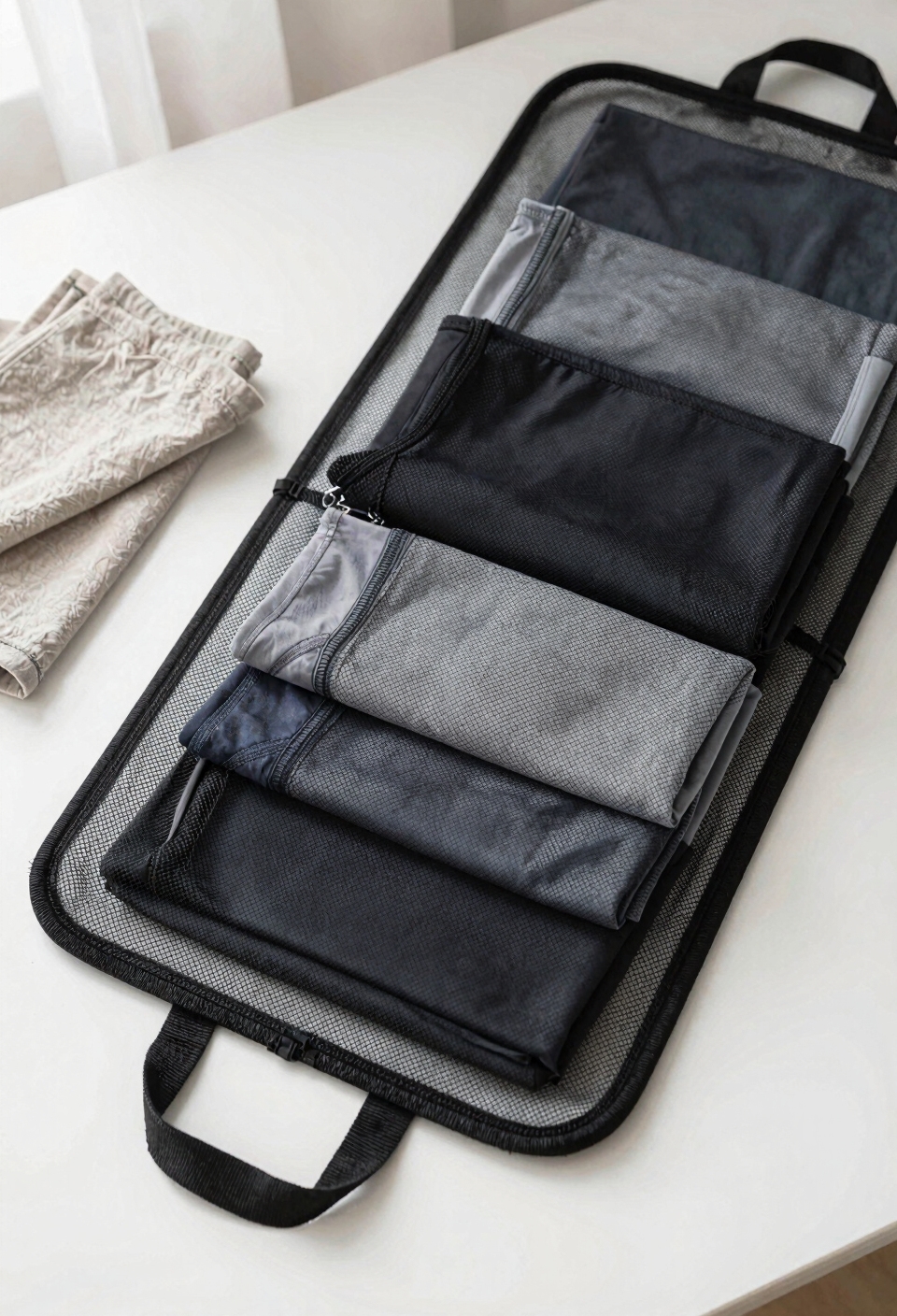
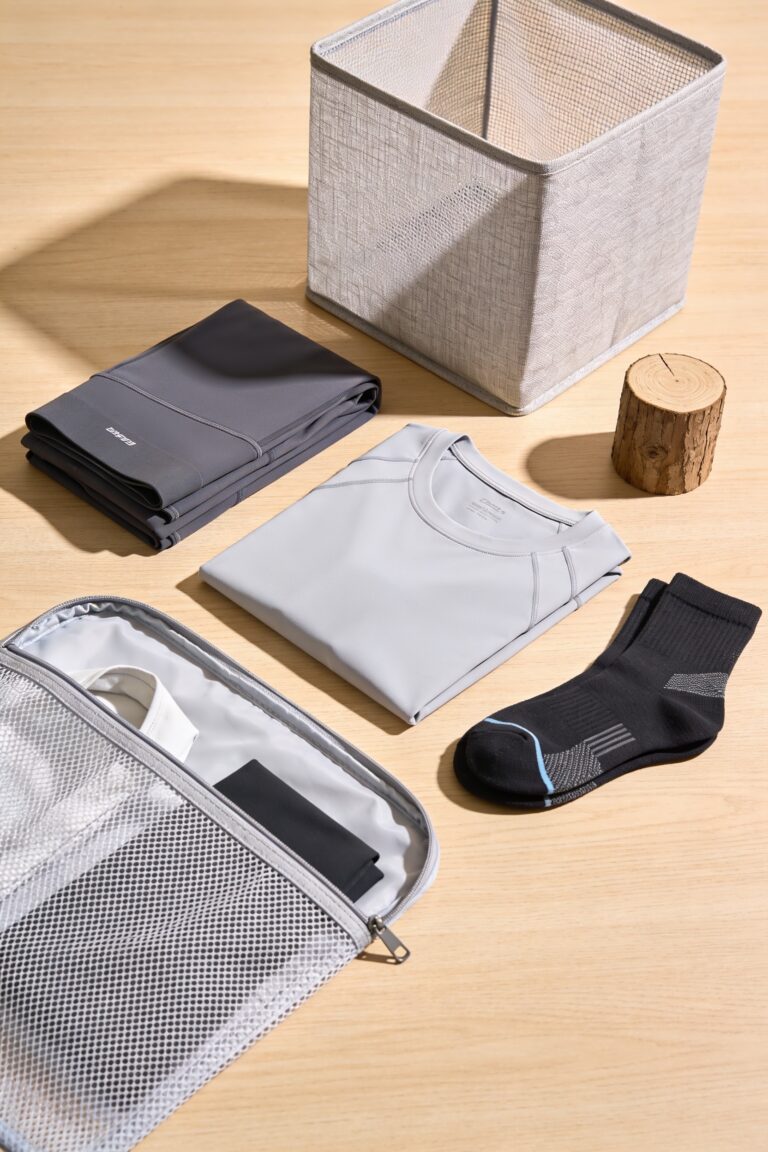
Now that you’ve got your leggings flipped inside out and inspected, here’s where you actually protect them during the wash: throw them in a mesh bag. I’m sure you’ve noticed how synthetic fabrics attract lint like a magnet, and cotton fibers ball up on your leggings faster than you’d expect. A mesh laundry zipper bag keeps that chaos contained. Think of it as a travel compartment for your workout gear—everything stays separated, protected from friction with heavier items, and you’re not fishing lint out of seams for weeks. Honestly, I didn’t believe mesh bags mattered until I stopped using one and regretted it immediately. They’re cheap insurance against premature pilling and tangling. The flatlock-stitched seams on quality leggings are particularly vulnerable to damage from friction with other garments, making mesh bag protection even more essential. Just grab one; your leggings will thank you.
Keep Leggings Away From Cotton Items
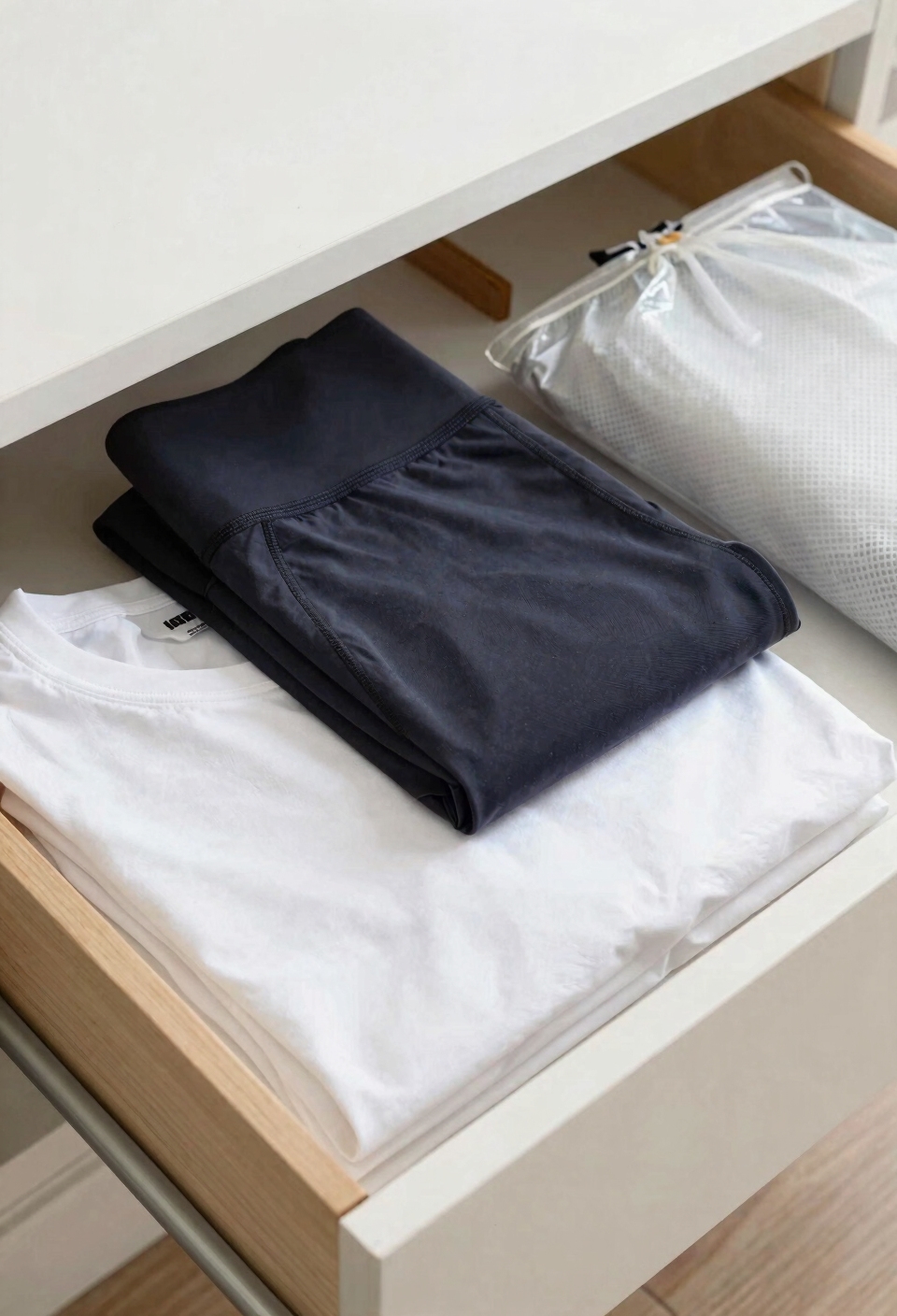
Cotton and synthetics are basically arch-enemies in the washing machine—you’ve probably already noticed how a single towel can shed enough lint to coat your entire load, and your leggings are the prime target. I’m sure you’ve seen it: lint adhesion that makes your expensive activewear look like it’s been through a dust storm. Now, here’s the thing—cotton fibers genuinely tangle into balls on synthetic fabrics, and it’s frustrating as hell to remove. Beyond the obvious lint issue, there’s also color transfer to worry about, especially if you’re washing dark cottons alongside lighter leggings. All right, the solution’s simple: wash your leggings separately from towels, hoodies, and anything plush. Your leggings will thank you by actually looking fresh. To further protect your investment, consider using moisture-wicking materials that are designed to maintain their integrity through repeated washing and wear.
Skip Fabric Softener on Synthetic Fabrics
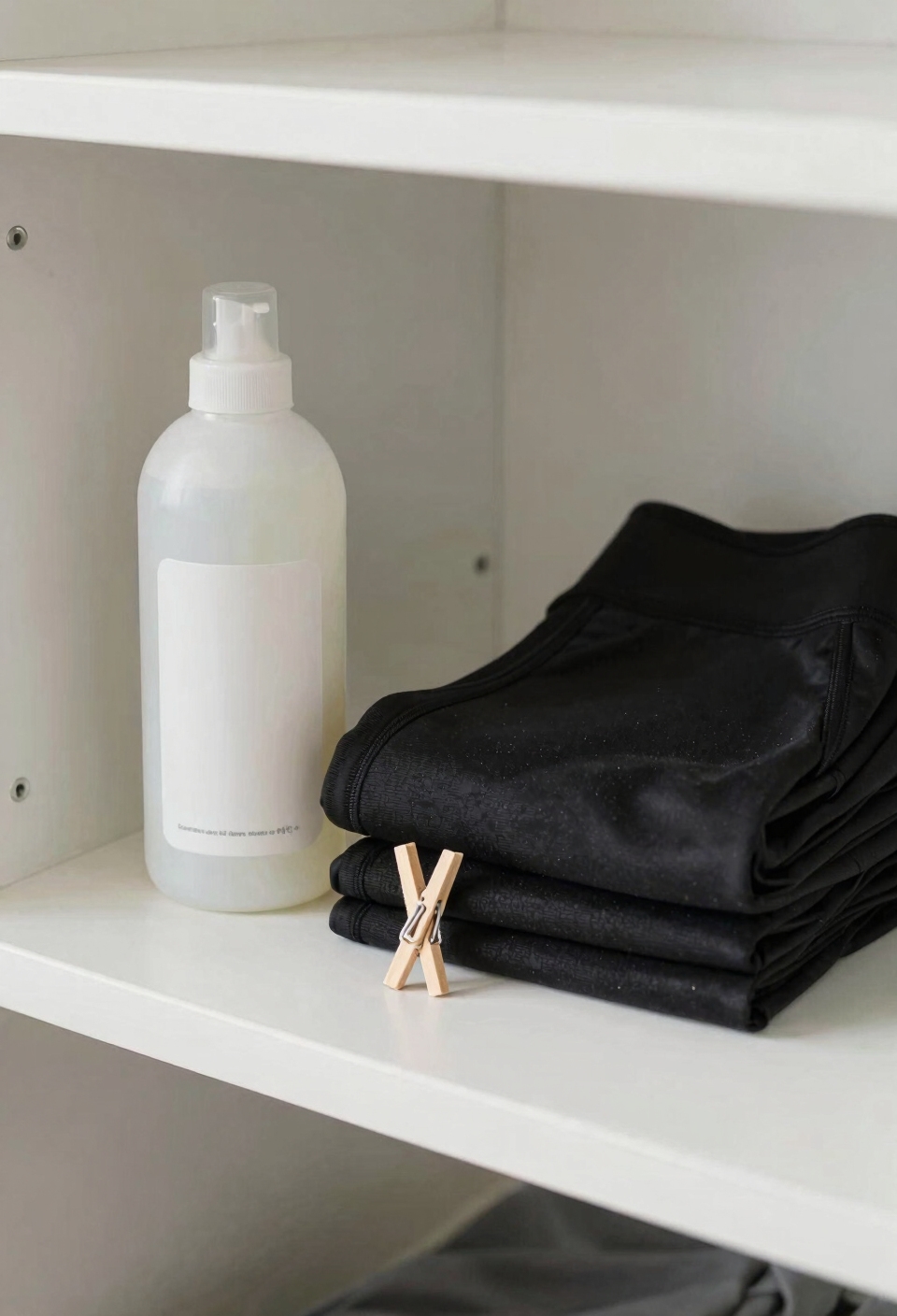
Once you’ve got your leggings sorted away from the lint monsters, here’s another thing that’ll wreck your investment: fabric softener. I’m sure you’ve noticed how soft that stuff makes everything feel, but here’s the kicker—it’s basically coating your synthetic fibers with silicone, and that’s a disaster for performance. That residue buildup locks in sweat and dirt instead of letting your leggings do what they’re supposed to do: wick moisture away from your body.
The performance degradation sneaks up on you. Your once-breathable leggings start feeling clammy, and you’ve got nobody to blame but that innocent-looking bottle. Quality fabrics with moisture-wicking properties are specifically engineered to prevent sweat buildup and odor, so using fabric softener directly undermines this critical functionality. All right, if you’ve already committed the softener sin, just rewash them without it. Your future workouts will thank you.
Hang-Dry Your Leggings to Prevent Heat Damage
After you’ve worked out everything else about keeping your leggings pristine, there’s one thing that’ll tank all your efforts faster than you can say “shrinkage”: throwing them in the dryer.
I’m sure you’ve noticed how heat absolutely murders synthetic fabrics. That’s why I hang-dry everything. Seriously, it’s not complicated—just grab a hanger and let airflow positioning do the heavy lifting. I prefer wooden hangers because they’re gentler than plastic ones, but honestly, any hanger works fine as long as you’re not cramming them in a dark corner.
Now, skip direct sunlight because UV rays fade colors like nobody’s business. Find a spot with decent airflow—a closet works, a bedroom corner works. Your leggings’ll dry naturally, stay stretchy, and actually last longer than if you’d nuked them in that heat box we all pretend is necessary. Hang drying is particularly important for bamboo fabrics, which require special care to maintain their quality and prevent pilling over time.
Avoid Direct Sunlight While Drying
While hang-drying‘s obviously the move, there’s a sneaky saboteur lurking that’ll undo all that good work—the sun itself. I’m sure you’ve noticed how colors fade on stuff left in direct sunlight, and your leggings are no exception. UV damage effectively bleaches the fabric from the outside in, which means that vibrant color you paid good money for gradually washes out into something sad and washed-up looking.
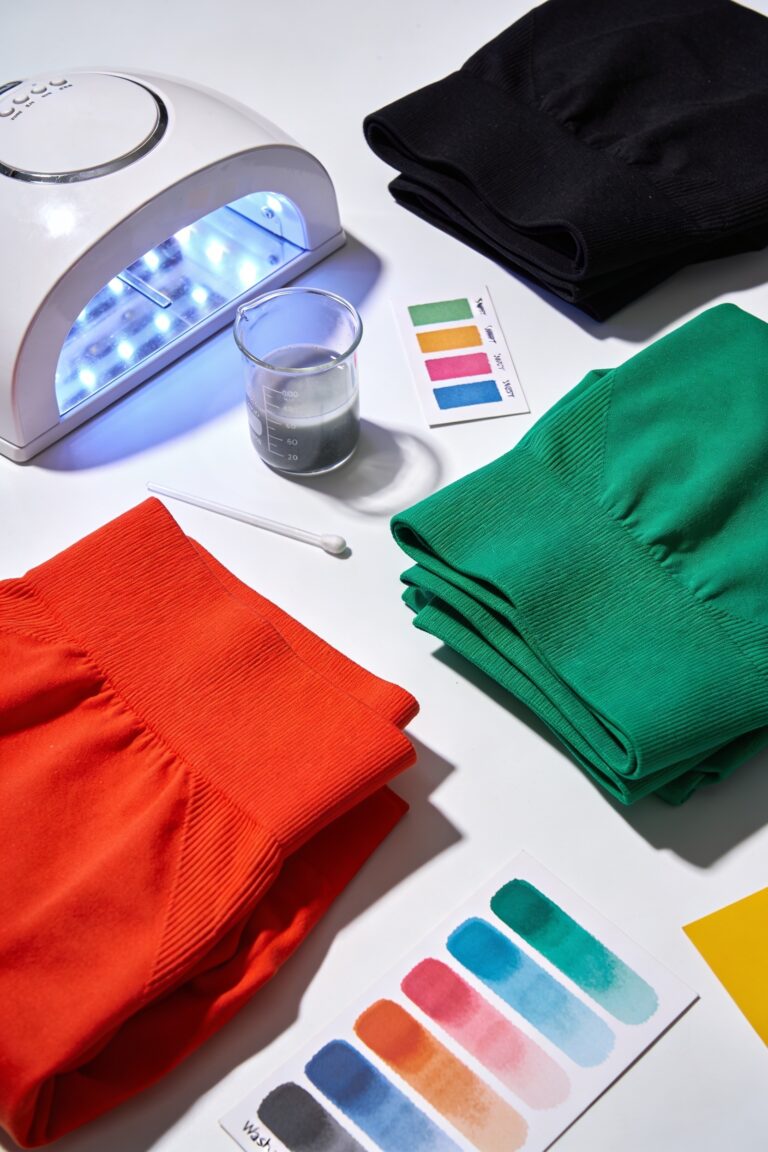
Now, here’s the thing: you’ve already protected your leggings by skipping the dryer, but planting them in a sunny window while drying is like spending all that effort just to reverse it. Hang them in a shaded spot instead—your closet, a covered porch, anywhere indoors. The color fading might seem minor, but it’s actually a visual indicator that UV damage is happening to those high-tech fibers too. For optimal fabric preservation, consider using eco-friendly inks and sustainable materials that resist UV damage more effectively than standard alternatives. Keep them out of direct light, and you’ll keep them looking fresher longer.
Check Seams and Elasticity Before Each Wash
Before you toss your leggings into the washing machine, you’ve got to do a quick inspection—think of it like a pre-flight check, except you’re looking for fraying seams and stretched-out elastic instead of loose bolts. I’m sure you’ve noticed how seam integrity can tank after a few washes if you’re not paying attention. Run your fingers along the stitching, checking for any separation or unraveling, especially around the waistband and thighs where tension’s highest. Now test the elastic recovery—stretch the waistband gently and watch if it snaps back quickly or just hangs there like it’s given up on life. Obviously, catching problems early saves you from washing something that’s already toast. For best results, follow recommended care instructions such as cold water washing and hang drying to maintain elasticity over time. You’ll thank yourself later.
Replace Leggings When Elastic or Seams Fail
Once those seams start letting go or your elastic’s lost its bounce, you’ve hit the point of no return—and honestly, that’s when you’ve got to accept that your leggings have earned their retirement. I mean, I’m sure you’ve noticed that stretched-out waistband doesn’t snap back anymore, and those little tears near the thighs aren’t getting better with time.
Now, here’s the thing: check your warranty options before tossing them. Some brands actually cover seam failures, which beats buying replacements constantly. From a sustainability tips perspective, donating worn leggings to textile recycling programs beats the landfill route. That said, once elasticity’s genuinely shot, no amount of careful washing brings it back. Investing in compression wear with quality construction can help extend the lifespan of your leggings through better durability and performance. You’re just prolonging the inevitable. Accept it, retire them gracefully, and invest in quality pieces that’ll actually last.
Invest in Polyester, Nylon, or Spandex Blends
Look, choosing the right fabric is basically the foundation of everything we’ve talked about so far—all that careful washing and air-drying doesn’t mean much if you’re starting with garbage material. I’m sure you’ve noticed how some leggings feel bulletproof after fifty washes while others turn into sad, stretched-out noodles after three.
Here’s the thing: polyester, nylon, and spandex blends are your friends. These synthetics handle moisture-wicking like champions and actually bounce back when you stretch them. Now, material sourcing matters more than people realize—quality blends cost a bit more upfront, sure, but they’ll outlast cheaper cotton-heavy alternatives by miles. Unlike merino wool, which requires hand washing or delicate cycles, synthetic blends are often more forgiving with care, making them practical for frequent use.
All right, I’ll be honest about sustainability concerns; virgin synthetics aren’t perfect. But durability beats constantly replacing worn-out leggings, and that’s what actually counts long-term.
Frequently Asked Questions
Can I Wash My Leggings With Other Synthetic Fabrics Like Athletic Shirts?
Yes, I’d wash your leggings with other synthetic athletic shirts. However, I’d use a mesh bag to prevent color fading and protect seam reinforcement from friction during the delicate cycle.
What Should I Do if My Leggings Already Have Reduced Elasticity?
I’ve found that when your leggings lose elasticity, I’d recommend replacing them—it’s time. However, fabric massage on seams and targeted mending might temporarily extend wear, though they won’t fully restore the stretched fibers’ original performance.
How Often Should I Wash My Workout Leggings to Maintain Quality?
I’d recommend washing your leggings after every 2-3 wears for frequency guidelines and odor management. This balances cleanliness with preserving elasticity. Cold water, delicate cycles, and air-drying extend their lifespan considerably.
Will Using Regular Detergent Alone Damage High-Tech Synthetic Fibers?
Studies show that 73% of synthetic fiber damage stems from improper washing. I’ve found regular detergent alone won’t harm your leggings, but detergent residue buildup and fiber abrasion from friction require delicate cycles and separate washing.
Can I Store Damp Leggings Temporarily Before Air-Drying Them Completely?
I wouldn’t recommend temporary storage of damp leggings because moisture control is critical. Leaving them in bags risks mildew growth. Instead, I’d hang them immediately to air-dry completely and preserve fabric quality.
Conclusion
Look, I’m sure you’ve noticed your favorite leggings start pilling after a few months—studies show proper care can extend their lifespan by up to 40%, which honestly blew my mind. Here’s the thing: you’re basically fighting gravity and friction every time you wear them, so treat ’em right. Cold water, mesh bags, no fabric softener. It’s not rocket science, but it works, and your wallet’ll thank you when you’re not replacing them constantly.