As an Amazon Associate, we earn from qualifying purchases. Some links on this site are affiliate links at no extra cost to you. Our recommendations are based on thorough research and editorial judgment.

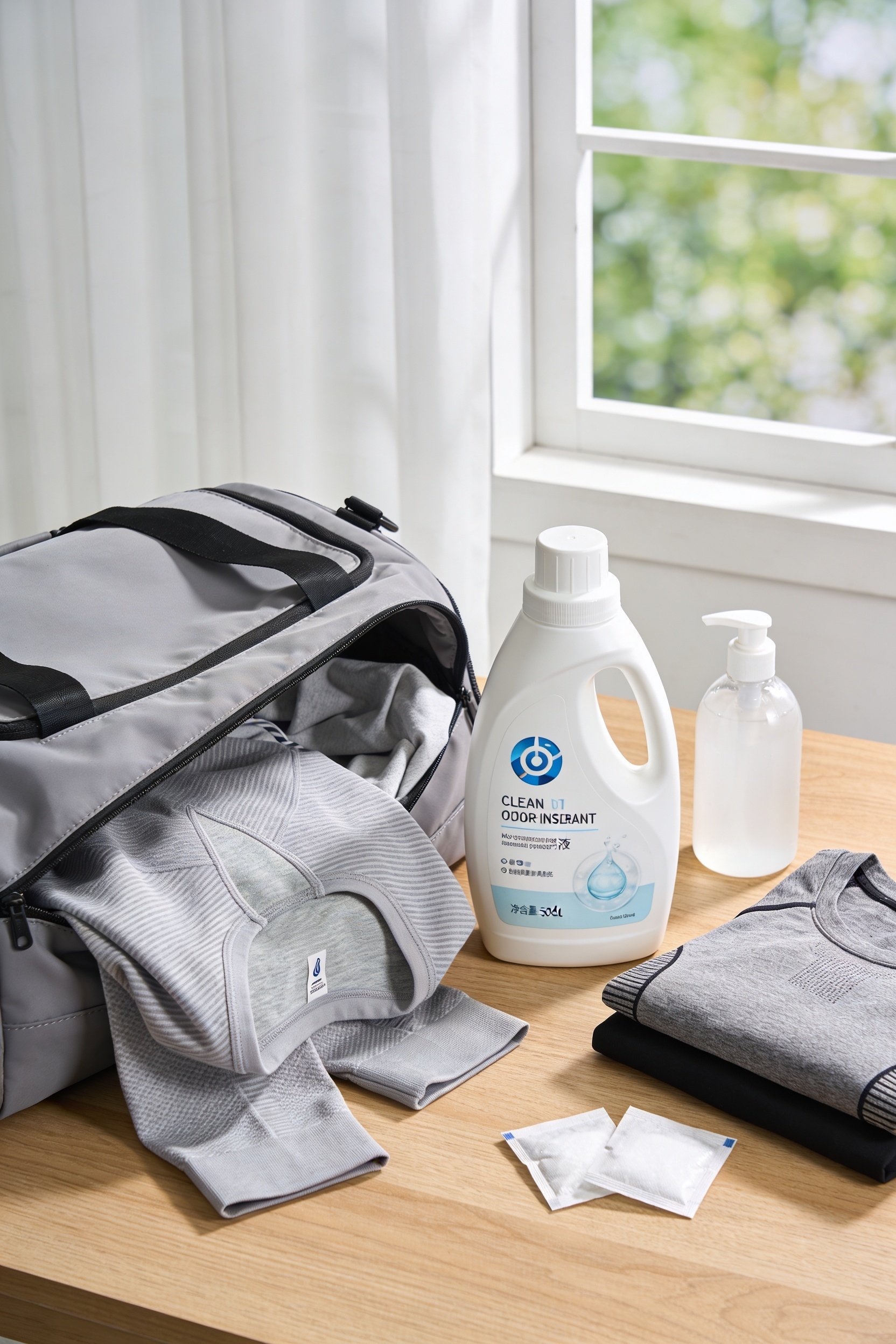
Stop Gym Clothes From Smelling Like Bacteria

Look, bacteria doesn’t just hang out on your gym clothes—it colonizes them like a tiny, smelly empire, bonding with skin oils and creating biofilms that laugh at regular detergent. I’m sure you’ve noticed cold water barely makes a dent. Here’s the thing: strip those sweaty clothes within fifteen minutes, soak them in vinegar solution, then wash with enzymes and hot water. Skip the dryer, air dry outside, and wash after every wear. But there’s honestly a lot more to keeping your gear from becoming a petri dish.
Key Takeaways
- Strip off sweaty clothes immediately after exercise and air-dry outside within fifteen minutes to prevent bacterial growth.
- Soak gym clothes in a vinegar solution (1 part vinegar to 3 parts water) for one hour before washing.
- Wash with enzyme detergent in hot water and add baking soda or oxygen boosters to kill odor-causing bacteria.
- Avoid fabric softeners and dryers, which trap odors; instead air-dry clothes outside for UV exposure and airflow.
- Wash most gym clothes after every single wear to prevent damp piles that promote bacterial accumulation and biofilms.
Why Bacteria Sticks to Your Gym Clothes
I’m sure you’ve noticed that gym clothes don’t just smell bad—they smell *persistently* bad, like the odor’s taken up permanent residence in the fibers. Here’s what’s actually happening: bacteria from your sweat accumulates on synthetic fabrics, and through fabric electrostatics, it clings like it’s been glued there. Worse, these microbes form bacterial biofilms—basically organized colonies that are surprisingly resistant to regular washing. Oils from your skin bond with the fibers too, trapping everything together. Now, the real problem? Your standard detergent in cold water just isn’t equipped to obliterate all that buildup. It’s like inviting germs to a house party and expecting them to leave on their own. They’re not going anywhere without serious intervention. In contrast, merino wool’s natural odor resistance means bacteria doesn’t accumulate the same way, making it a superior choice for workout clothes that stay fresher longer.
Strip, Rinse, and Air-Dry Within 15 Minutes
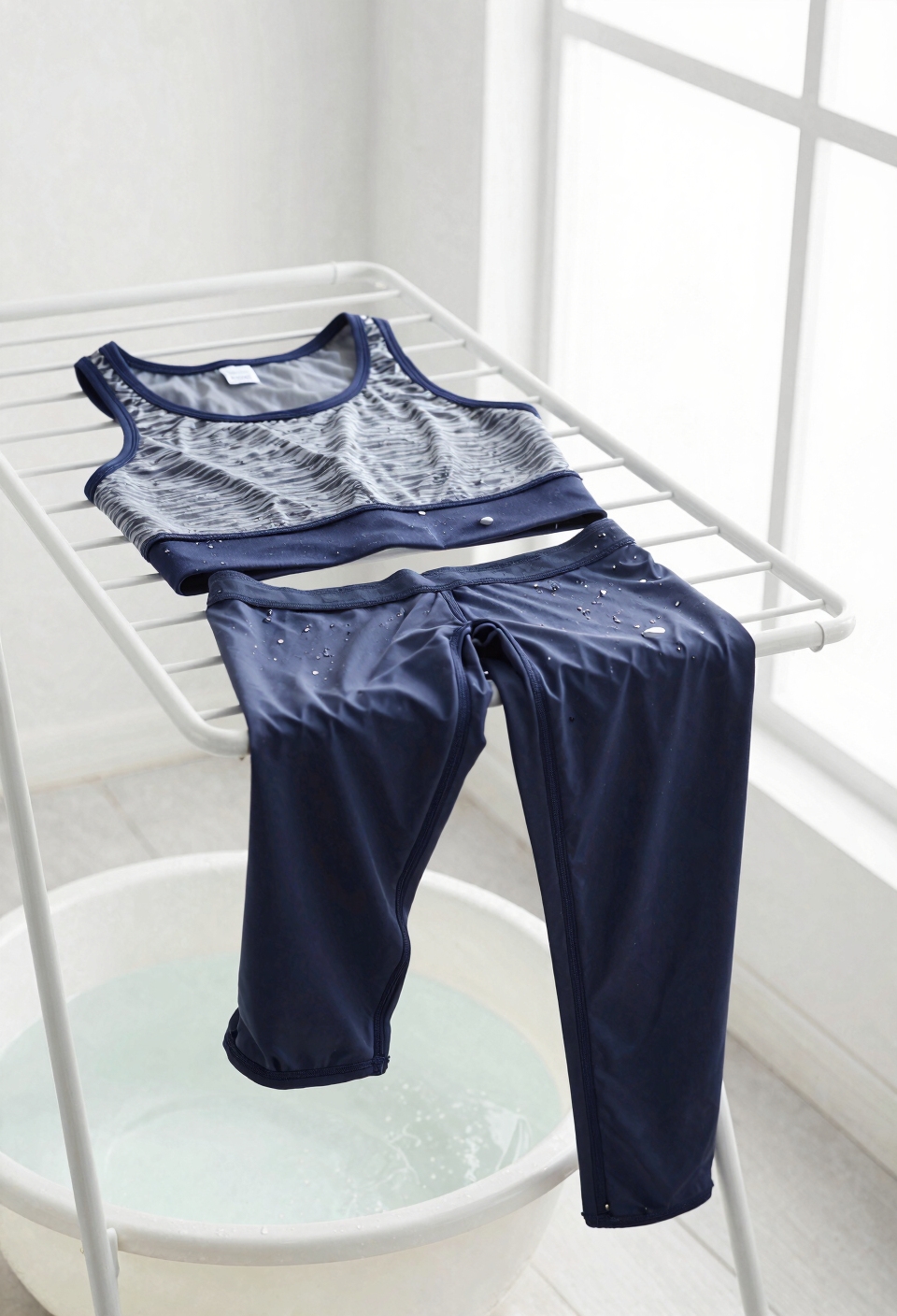
Now that you understand why bacteria’s basically set up a fortress in your gym clothes, here’s the thing: you’ve got a narrow window to actually stop it from getting worse. I mean, immediate removal is non-negotiable—the longer those sweaty clothes stay glued to your skin, the more bacteria are throwing a party. Strip them off right after your workout, then rinse your underarms in cold water to prevent stains from setting in. Here’s where quick airing comes in: hang everything outside if you can. Those UV rays? They’re basically nature’s disinfectant. The airflow kills bacteria while preventing that musty basement smell from developing. You’ve got about fifteen minutes before moisture becomes a breeding ground, so don’t overthink it—just get those clothes off your body and into fresh air immediately. For best results, choose moisture-wicking fabrics like those with 15-20% elastane content, which help pull sweat away from your skin and dry faster than standard materials.
Recommended Products

✿ Premium 4-Way Stretch Performance Fabric: High-quality nylon spandex blend designed for superior flexibility, durability, and long-lasting elasticity. Moves effortlessly with the body, making it perfect for fitted garments and high-movement apparel.

Konseal Pant: Lightweight, abrasion-resistant climbing pant

Gamma Pant: Our most versatile softshell pant
Soaking Methods That Kill Odor-Causing Bacteria
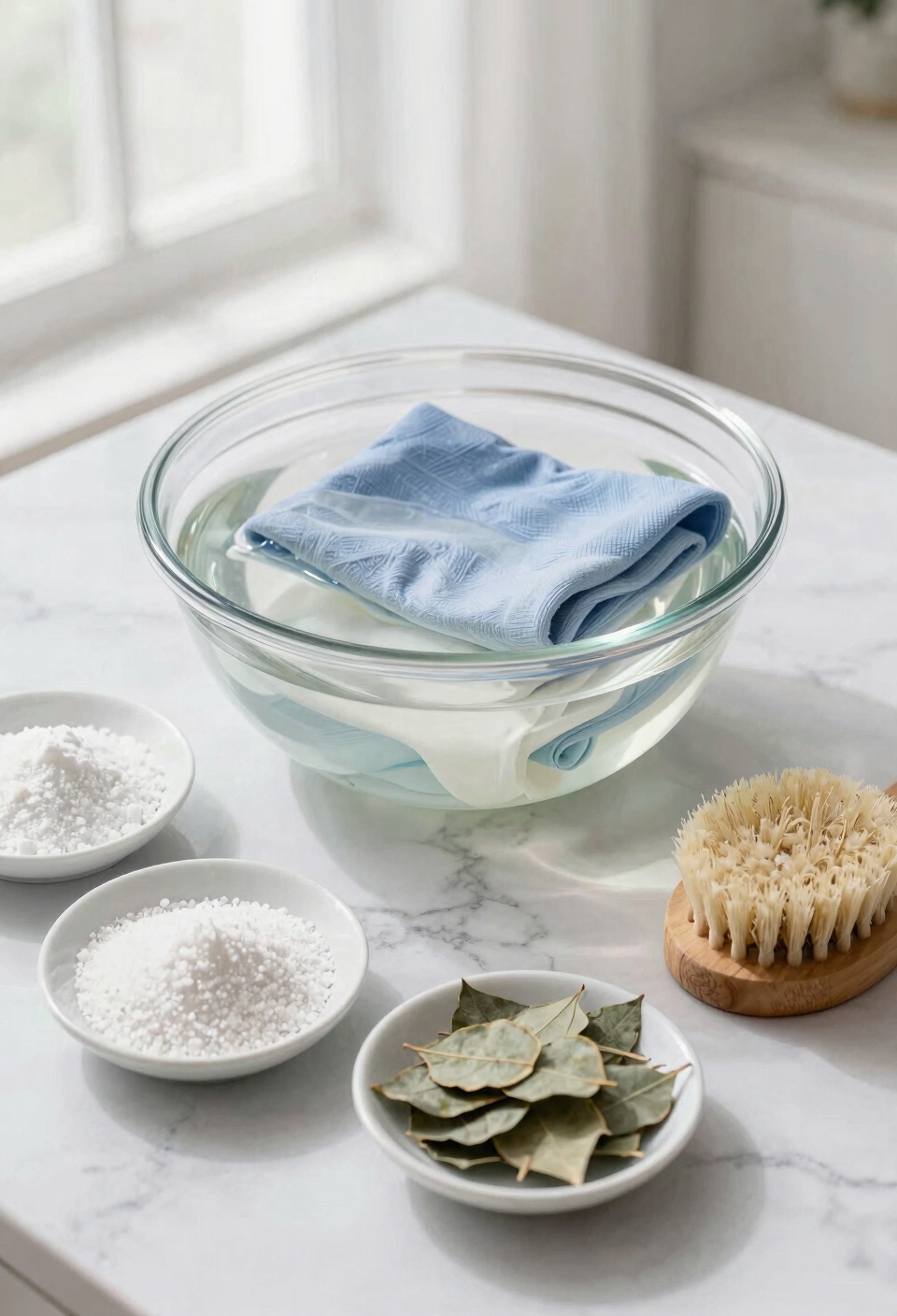
If you’ve gotten this far—stripping off your gym clothes and hanging them to air-dry—you’re already ahead of most people, but let’s be honest: sometimes that’s just not enough. Now here’s where a vinegar soak comes in handy. I’m sure you’ve noticed how regular washing barely scratches the surface of that stubborn funk, right? Mix one part distilled white vinegar with three parts water and let your clothes soak for at least an hour—the vinegar breaks down odor-causing bacteria like nothing else. For an enzyme boost on those yellowed sweat stains clinging to your cotton stuff, grab an enzyme-based pre-soaker beforehand. All right, fifteen to thirty minutes in vinegar, then wash normally. It’s not glamorous, but it works. Quality moisture-wicking fabrics like those used in athletic wear are designed to dry quickly and remain effective through multiple washes, making them especially responsive to vinegar treatment methods that penetrate deep into the material.
Washing Techniques for Deep Bacterial Cleansing
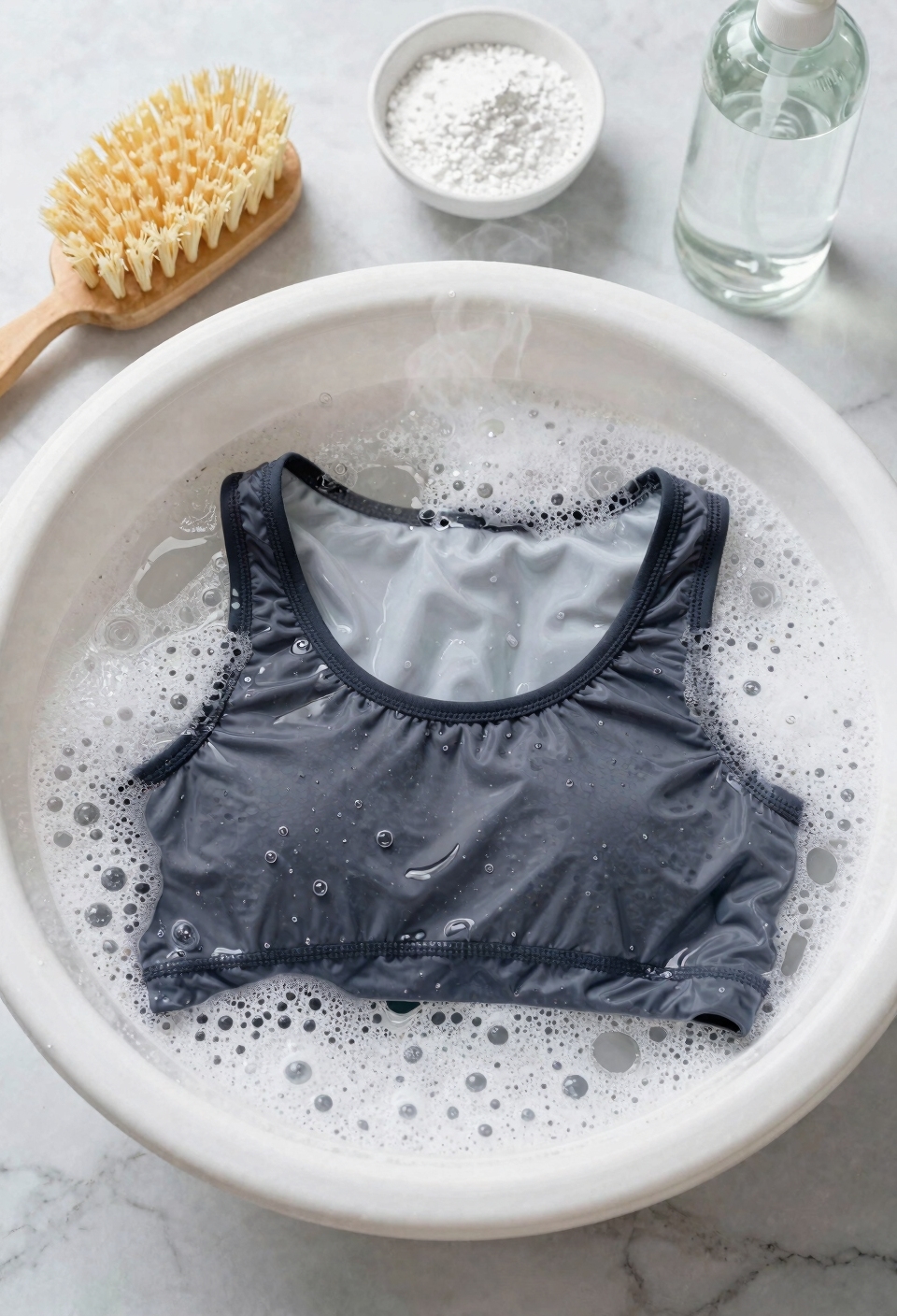
Once you’ve soaked out the worst of the bacteria, you’re ready for the actual wash—and this is where most people totally botch it. I’m sure you’ve noticed that regular detergent barely makes a dent on stubborn gym funk. That’s why I swear by enzyme detergents, which actually break down the proteins bacteria love to hide behind. Cold water works fine for fresh sweat, but if you’re dealing with buildup, go hot. Toss in oxygen boosters or a cup of baking soda to supercharge the clean. Add laundry sanitizer during the rinse cycle for that deep bacterial kill you’re after. Obviously use the right detergent amount—excess residue just traps more stink. Bamboo fabrics can hold up to three times their weight in water, making them especially effective at releasing trapped bacteria during the wash cycle. Now here’s the thing: skip fabric softeners entirely. They’re basically bacteria hotels.
Recommended Products

Designed For Activewear: Laundry detergent pods formulated for workout clothes, leggings, uniforms, towels, and synthetic fabrics to help tackle sweat, body oils, odor buildup, and everyday stains after training or daily wear

Five Benefits In One: Laundry detergent pods combine detergent, stain removal, odor control, fabric softening, and color care in one convenient laundry pod designed for clothes, towels, linens, and everyday fabric cleaning

TOP QUALITY: Proven to beat leading brands on tough stains like grass, sweat, and chocolate
Avoid These 5 Habits That Make Gym Clothes Smell Worse
You’re doing everything right through the wash cycle—enzyme detergent, hot water, baking soda, the whole nine yards—and then you sabotage yourself in the final stretch. I’m sure you’ve noticed how one mistake can undo all that effort.
First, stop using your dryer. That heat doesn’t freshen things up; it basically bakes odors into the fibers permanently. Air dry outside instead—UV rays actually kill bacteria, which is wild when you think about it.
Second, quit leaving pockets unattended during laundry. Sweat and bacteria hide there like they’ve found a vacation home. Check them before washing.
Skip fabric softeners altogether—they coat fibers and trap smells underneath. Also, don’t pile damp clothes in baskets waiting for wash day. That’s basically a bacteria spa. Choosing gym clothes with moisture-wicking tech helps reduce bacterial growth by keeping sweat from lingering on the fabric surface.
Recommended Products

Fruit of the Loom Men's Coolzone Boxer Briefs (Assorted Colors), 144 Pack - Assorted Colors, X-Large
Cool Zone Mesh Fly Provides Ventilation Where You Need it Most

Perfect for athletes, outdoor adventurers, and active individuals, this stretch-fit cap is a go-to for running, hiking, golfing, or casual wear. Whether you're competing or exploring the city, it offers both function and style to keep you comfortable.
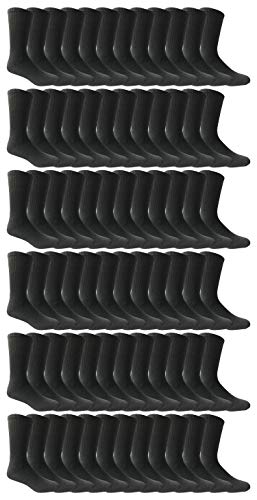
Each bulk pack of socks will includes 180 pairs of mens crew socks. Choose from solid colors including white, black, or gray sports socks. With 180 pairs, you will never have to worry about running out of athletic socks again!
How Often to Wash and When to Replace
Most gym clothes need washing after every single wear—I mean, they’re basically petri dishes of your hard work, right? Now, I know that sounds intense, but trust me, you’re not doing yourself any favors by stretching that wear-life out. The bacteria doesn’t care about your laundry schedule.
Here’s where fiber lifespan enters the chat. I’m sure you’ve noticed how your favorite shirt starts losing its stretch after a year or two of regular washing. That’s just the cost of doing business. When you spot replacement signs—elastic giving up, synthetic fabrics pilling like crazy, or odors that won’t quit despite everything—it’s time to retire those clothes. Obviously, quality gear lasts longer, but even premium stuff’s got limits. Better to replace them than pretend that funky smell isn’t permanent. Investing in premium fabric blends with superior moisture-wicking properties can help extend the lifespan of your activewear and maintain its odor-fighting capabilities over time.
Recommended Products

100% LIGHTWEIGHT WOOL: Long-lasting wool knit pullover; High quality for maximum comfort, softness, & strength; Warm & breathable men’s sweaters ideal for the cold weather; Sizes in S-L

Count on the Core Merino 120 Hoody to take you from warm early season conditions through active hunts in cool weather. Featuring an ultralight merino wool blend that regulates temperature to help you stay comfortable through changing conditions, and it also naturally resists odor to suppress your scent

Frequently Asked Questions
Can I Freeze Gym Clothes Instead of Washing Them Immediately After Workouts?
Yes, I’d recommend freezing them as a temporary solution. Freeze storage stops bacteria growth and provides odor suppression when you can’t wash immediately. Seal clothes in plastic bags first, then thaw and wash within a few days.
Should I Hand Wash Sports Bras, and Why Is This Important for Longevity?
Yes, I’d hand wash your sports bras—isn’t it curious how gentle care extends fabric longevity? Hand wash benefits include preventing wire misshaping and elastic damage, preserving your bra’s structure and performance longer than machine washing allows.
What’s the Best Way to Clean Shoe Laces and Trainers After Workouts?
I’d soak your laces in stain remover for odor control and lace care. For mesh cleaning, air dry trainers outdoors with newspaper stuffing. Apply shoe protector after drying, and handle zipper maintenance gently to prevent damage.
Why Should I Avoid Fabric Softeners When Washing My Gym Clothes?
I’d skip fabric softeners because they coat your fibers, trapping odors instead of eliminating them. They cause moisture retention, performance loss, and scent masking that leaves bacteria lurking beneath fake freshness.
How Often Should I Use Sport-Specific Antibacterial Sanitizers on Workout Gear?
I’d recommend using sport-specific antibacterial sanitizers every few washes to maintain freshness without accumulating product residues. This antibacterial frequency prevents buildup while keeping your workout gear odor-free and clean.
Conclusion
Look, you’ve got this now. Strip those gym clothes faster than you’d abandon a telegraph operator’s job, rinse ’em quick, and actually let them dry before they turn into a science experiment. I’m sure you’ve noticed that bacteria thrives in damp darkness like it’s running a resort, so don’t leave your stuff festering in your gym bag. Hit these habits consistently, and you won’t be apologizing to everyone around you anymore.