As an Amazon Associate, we earn from qualifying purchases. Some links on this site are affiliate links at no extra cost to you. Our recommendations are based on thorough research and editorial judgment.

Why Do Compression Leggings Vary Between Different Brands?

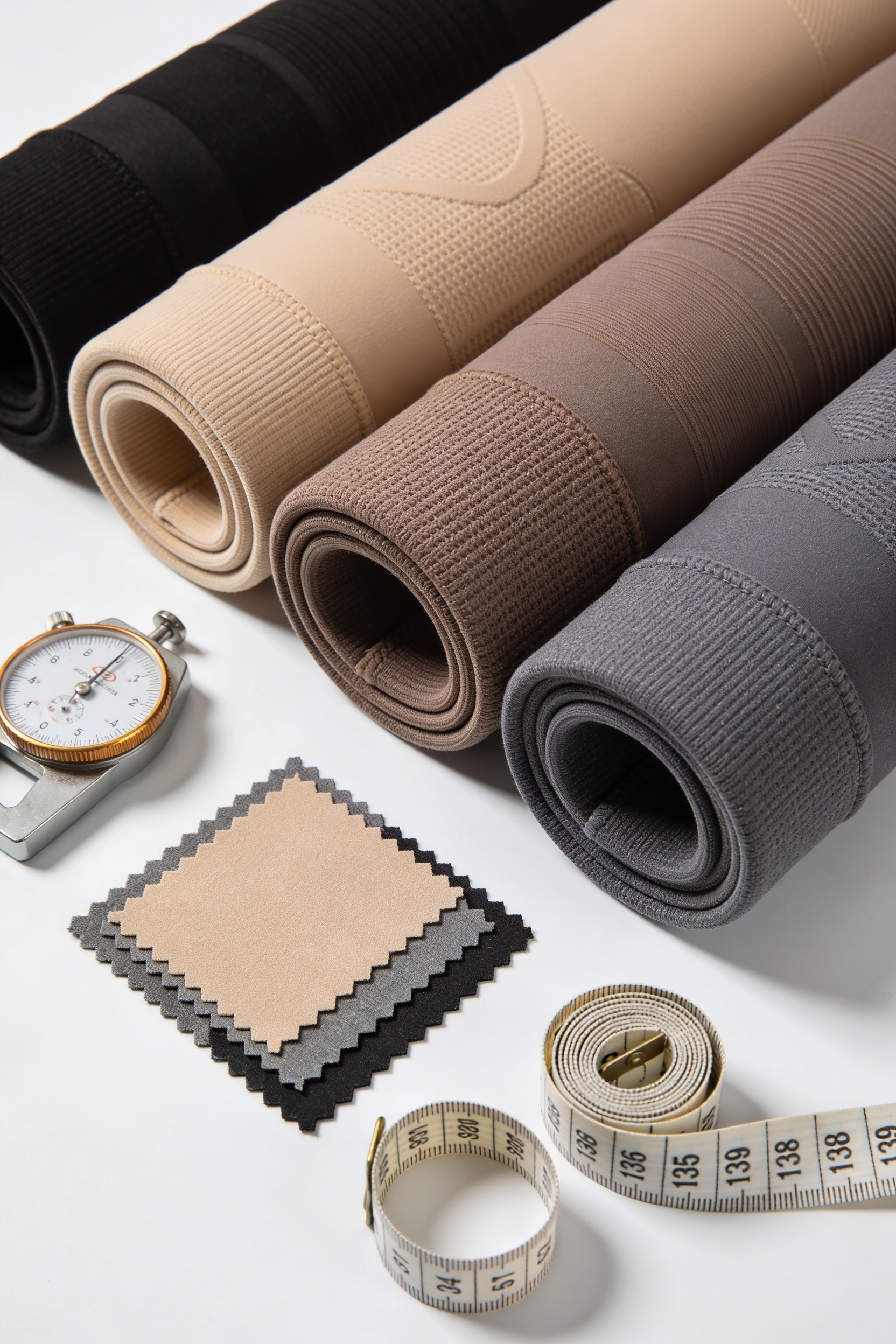
Here’s the thing—you’re not just picking fabrics, you’re picking philosophies. Some brands engineer graduated medical-grade compression with published mmHg values for actual therapeutic benefit, while others slap “compression” on loungewear that’s basically just snug. The real differences? Elastane percentages, waistband width, panel placement for stomach control, and whether they’ve invested in proprietary moisture-wicking tech that dries 40% faster. Obviously, durability matters too—reinforced seams and polyamide blends hold their shape through washing, but budget brands cut corners there. It basically comes down to whether you’re buying wellness-focused recovery wear or high-intensity performance gear, and honestly, the construction details reveal way more than the price tag alone.
Key Takeaways
- Material composition and elastane percentage vary, affecting durability, stretch recovery, and breathability across brands.
- Waistband width and panel placement differ strategically, creating distinct support distribution and stomach control effectiveness.
- Medical-grade brands publish mmHg compression levels; casual brands offer vague compression without therapeutic specifications.
- Proprietary fabric technologies and moisture-wicking innovations distinguish premium brands from generic polyester blends.
- Construction quality, research investment, and supply chain transparency directly influence durability and long-term performance retention.
How Fabric Blends and Material Sourcing Drive Performance Differences
Look, I’m sure you’ve noticed that not all leggings feel the same on your skin, and that’s because the fabric blends manufacturers use are doing some seriously heavy lifting behind the scenes. You’ve got recycled polyamide options running anywhere from 75% that actually compress well, then plant-based blends like TENCEL Lyocell hitting you with totally different vibes—softer, more breathable, but sometimes less durable depending on the spandex percentage mixed in. The elastane content alone, which can range from 7% to 25%, completely changes how your leggings bounce back after you’ve crushed your workout. I mean, it’s basically the difference between leggings that feel clingy versus ones that actually recover their shape. Material sourcing impacts everything: durability, skin safety, breathability, stretch recovery. Just like merino wool base layers, premium compression leggings prioritize quality materials that maintain their performance through repeated washing and wear. Obviously, you’re paying more when brands invest in quality regenerative materials versus cheap synthetics.
Recommended Products

Responsible Collection: Recycled/Repurposed
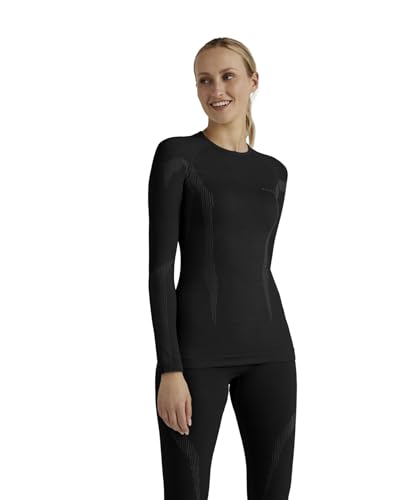
Thermo-regulated long sleeve sports top, to wear by itself or as a baselayer, in a sustainable blend of mulesing-free merino wool and recycled polyamide; ideal protection in winter and cold to very cold outdoor temperatures; with designer logo on chest

The upgraded no front seam design reduces irritation and creates a smooth, minimalist appearance, perfect for both everyday outfits and gym wear.
Medical-Grade vs. Casual Compression: Finding Your Level
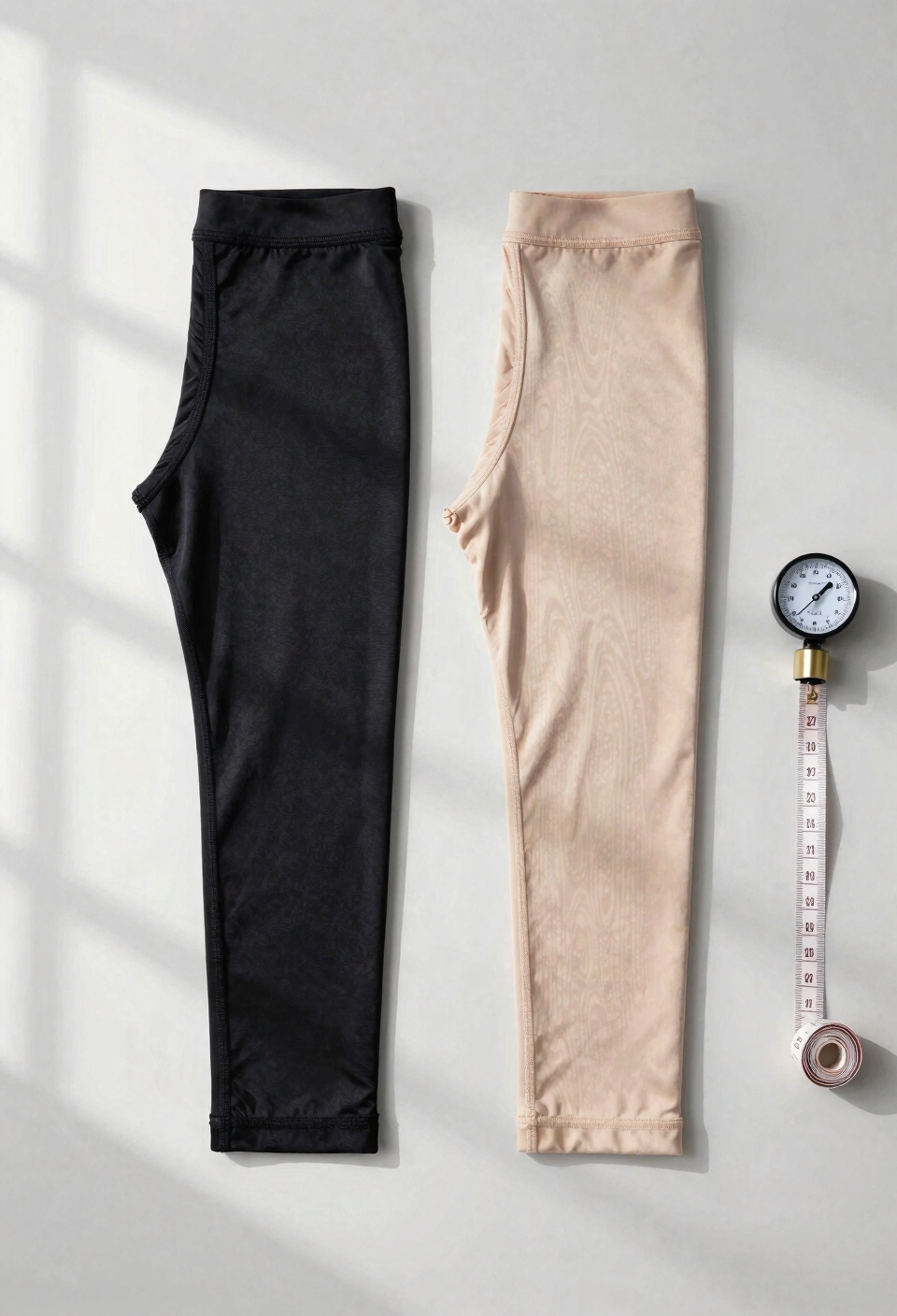
Now here’s where things get real: all that fabric engineering we just talked about? It means absolutely nothing if you’re buying compression that doesn’t actually match what your body needs.
See, medical-grade compression comes with legitimate compression standards—we’re talking graduated therapy measured in mmHg, clinically tested for specific medical indications. You’ll find actual numbers printed on the packaging. Casual compression, though? That’s basically “it feels snug,” which is fine if you’re lounging, but it won’t do squat for circulation or recovery.
I’m sure you’ve noticed most mainstream brands skip the mmHg talk entirely. They’re selling you casual sizing with vague promises. Nothing wrong with that if you know what you’re getting. But if you need real therapeutic benefits, you’ve got to hunt for brands that actually publish their compression levels and back them up with science. High-quality materials like four-way stretch fabrics with moisture-wicking properties can enhance comfort, but they won’t provide the same graduated compression levels found in medical-grade options.
Recommended Products

Lipedema Compression Garment: This lipedema legging offers 15-20 mmHg compression to help manage early-state lipedema symptoms; the garment may help promote lymphatic drainage, reduce inflammation, pain, tenderness, and sensitivity in the affected areas

Full Lower Body Support: CW-X EXO-WEB technology delivers targeted support to hips, quads, hamstrings, knees, calves, lower back, and pelvis to help improve alignment, stability, and control during high intensity movement.

Equipped with a 2-way stretch EXO-WEB panel that provides targeted support to the hips, quads, hamstrings, knees, calves, lower back, and pelvis, enhancing stability during movement
Waistband Support and Panel Placement Shape Fit and Function
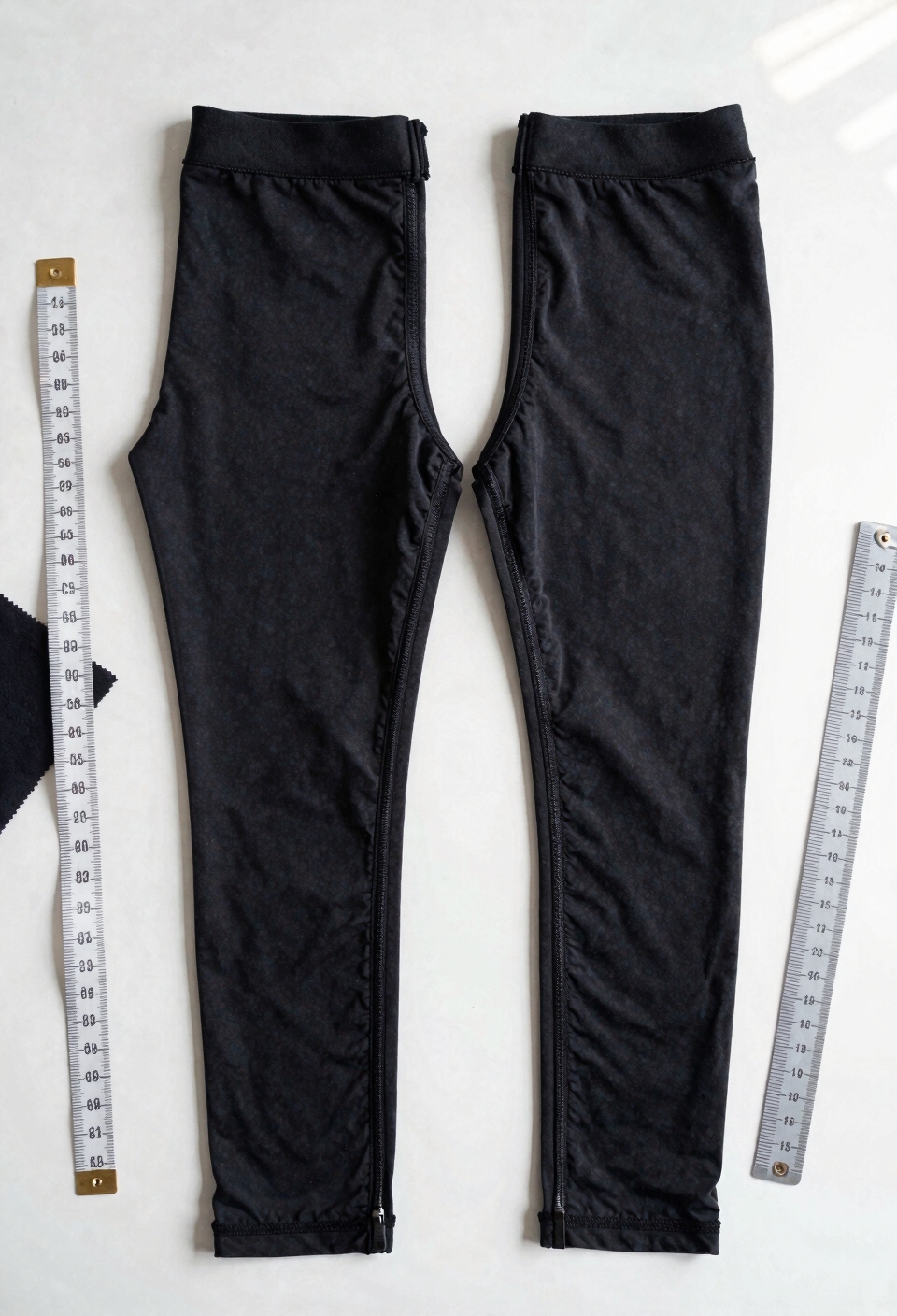
Once you’ve figured out what compression level you actually need, the next thing that’ll make or break your experience is how that legging’s constructed around your waist and torso—because I’m sure you’ve noticed that even two leggings with identical fabric can fit completely different depending on where the brand decided to put their support panels and what they did with the waistband. A wider waistband width keeps everything locked down without digging into your ribs, while narrower bands feel like they’re constantly rolling or gapping. Panel ergonomics matter just as much—some brands distribute support strategically across your midsection, others scatter it randomly. I mean, one brand’s four-inch power mesh insert handles stomach control like it actually knows what it’s doing, whereas another brand’s standard elastic basically just suggests you stay put. Additionally, four-way stretch materials enhance the overall mobility and fit of compression leggings, allowing them to adapt to your body’s movement while maintaining the support benefits you’re seeking.
Recommended Products
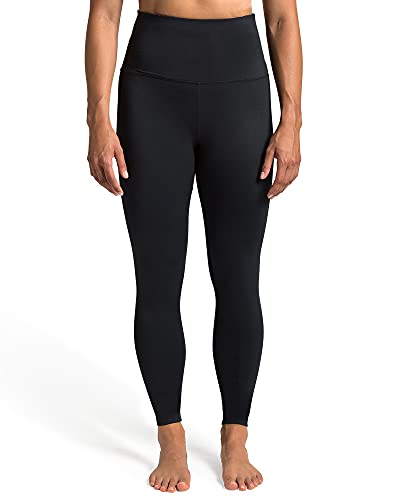
USE CASE: Wear these supportive and flattering leggings to the gym, running around town, or chasing after the kids. Great for bending, twisting, and lifting during exercise, yoga, pilates, and more.

SoftTek fabric stretches and supports for a comfortable fit with exceptional integrity and shape retention

USE CASE: Wear these flattering compression leggings during your busiest days. Comfortable, yet supportive, they're great for yoga, working out, yardwork, chores, running errands, and more! There's never a bad time to support your lower back and look great while doing it.
Proprietary Performance Technologies Distinguish Premium Brands
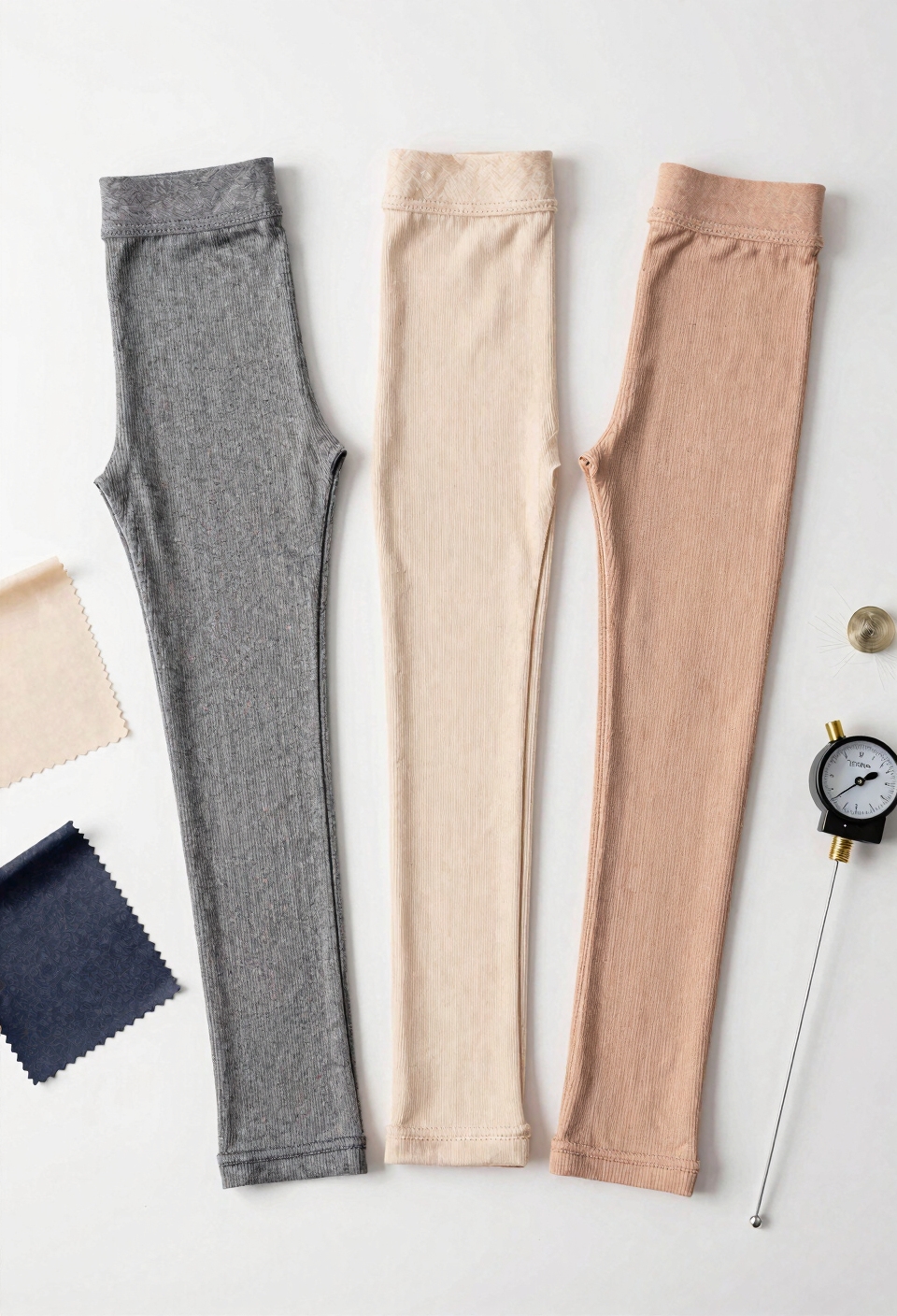
Beyond the fit mechanics we just covered, here’s where the real differentiation happens—premium brands aren’t just slapping fabric together and calling it a day, they’re investing in proprietary technologies that actually change how the legging performs on your body. I’m sure you’ve noticed how some brands claim their adaptive fabrics respond to your movements, adjusting compression zones as you shift between yoga and running. Beyond Yoga’s POWERBEYOND™ and Vuori’s BlissBlend™ aren’t just marketing speak—they’re engineered blends that handle moisture differently than generic polyester. High-quality materials dry 40-60% faster than standard options, giving you a tangible performance advantage beyond what basic fabrics can deliver. Now, some brands are even experimenting with sensor integration capabilities, though honestly, I’m not totally sure how widespread that is yet. The point is you’re paying for actual innovation, not just a prettier label.
Recommended Products
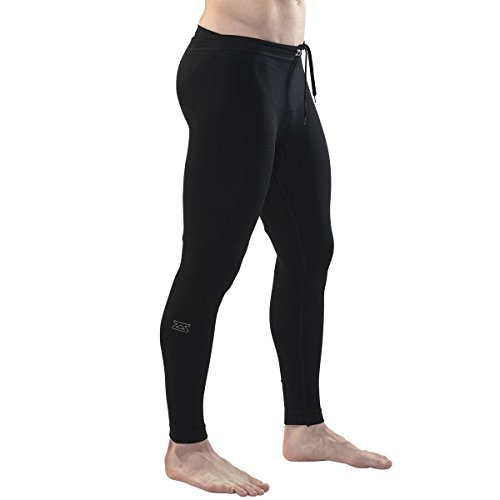
COMFORTABLE: Seamless design means there are no seams or tags to cause chafing or discomfort

Leggings with a high waist that arrives in mid foot with compression class 1 (15-20 mmHg); specially designed and made with a stronger, reinforced structure design to alleviate the hardships of Lipoedema or Lymphedema at higher stages

Discreet & Stylish Design: Designed to look like everyday activewear or athleisure, they allow wearers to blend in without drawing attention to medical equipment
What You’re Actually Paying For: Quality, Research, and Sustainability
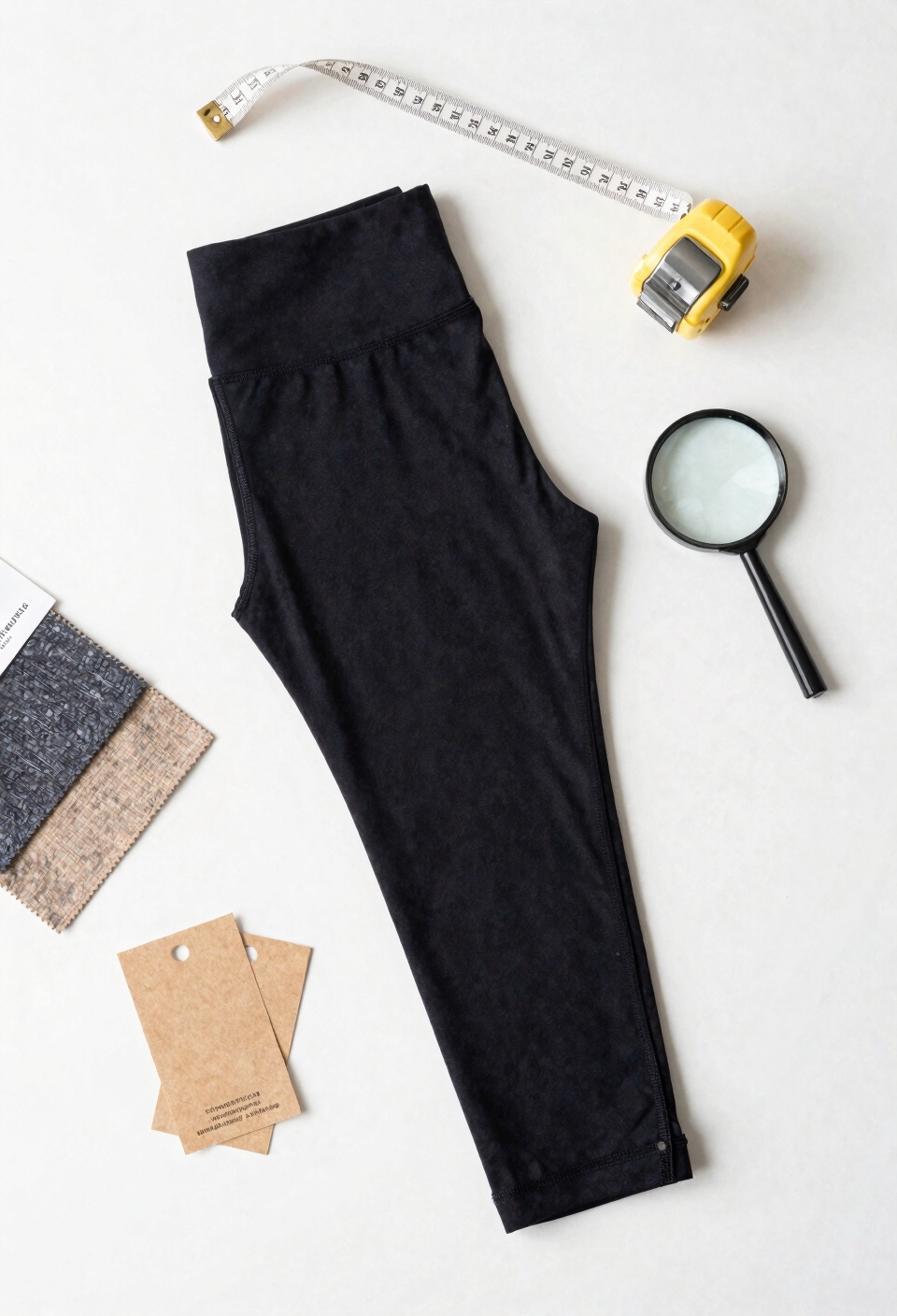
When you’re dropping $100+ on a pair of compression leggings instead of grabbing the $30 knockoff from a big-box retailer, you’re not just paying for better-looking spandex—you’re bankrolling years of fabric research, clinical testing, and supply chain practices that actually matter. Premium brands invest in lifecycle certification and supply transparency, meaning they’re tracking everything from raw material sourcing to manufacturing conditions. I mean, that costs money. You’re effectively paying for accountability—the assurance that your leggings aren’t just comfortable today but built to last without falling apart after three washes. This durability comes from reinforced double-stitched seams and high-quality materials like polyamide-spandex blends that enhance shape retention through multiple washes. Budget alternatives skip this entirely, which explains why they’re cheaper. You get what you fund, basically.
Recommended Products
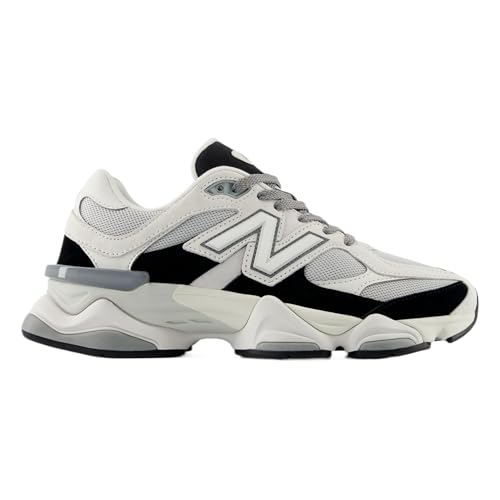
ABZORB midsole absorbs impact through a combination of cushioning and compression resistance


THIS WOMEN'S SHOE IS FOR: Prepare for smooth transitions with the Glycerin Stealthfit 22, featuring DNA Tuned, the latest midsole technology that seamlessly blends and integrates dual-size cells, ensuring a balance of plush landings and energetic toe-offs. Enhanced with updated flat knit upper offering a blend of stretch and compression. Predecessor: Glycerin Stealthfit 21.
Brand Philosophy: Wellness Focus vs. High-Intensity Performance
As you’re scrolling through leggings looking for your next pair, you’ll probably notice that some brands seem obsessed with recovery, breathability, and that whole “listen to your body” vibe, while others are basically shouting about sweat-wicking technology and how their compression’ll keep you locked in during burpees and sprints.
I mean, these aren’t random differences. Wellness-focused brands engineer their compression with recovery ergonomics in mind—think graduated support that feels like a hug rather than a vice grip. They’re banking on wellness aesthetics too, prioritizing colors and textures that make you want to wear them lounging.
High-intensity performers? They’re designing for entirely different demands. Compression placement targets muscle stabilization during explosive movements, not post-workout recovery. Features like moisture-wicking fabrics become critical during intense training sessions where sweat management directly impacts performance and comfort. One’s about feeling good; the other’s about performing hard. Obviously, you pick based on what you actually do.
Frequently Asked Questions
How Do Spandex Percentages Affect Compression Leggings’ Long-Term Elasticity and Durability?
I’ve found that higher spandex percentages—ranging from 7% to 25% Elastane—directly determine your leggings’ fiber recovery and resistance to spandex degradation. More spandex means better elasticity retention and longer-lasting compression over time.
What Certifications Like WRAP Platinum Indicate About a Brand’s Manufacturing Quality Standards?
I’ll send you a telegraph about WRAP Platinum: it’s your assurance that I’ve verified rigorous supply standards and material traceability throughout production. You’re getting accountability—the brand’s committed to ethical manufacturing practices and consistent quality control measures.
Why Do Some Compression Leggings Cause Chafing While Others Prevent It Effectively?
I’ve found that seam construction and fabric friction directly determine chafing resistance. Brands using flat-lock seaming and smooth, moisture-wicking materials prevent irritation, while standard seams and rougher fabrics create friction that causes chafing during movement.
How Does Body Type Influence Which Legging Length and Waistband Style Fits Best?
Your body type directly shapes which fit works best. If you’re pear-shaped, I’d recommend a high rise preference with 7/8 length—it provides targeted support where you need it most while accommodating your proportions perfectly.
Are Budget-Friendly Compression Leggings Scientifically Tested or Clinically Validated Like Premium Alternatives?
Budget-friendly options typically skip the rigorous clinical testing that premium brands invest in, relying instead on user feedback rather than scientific validation to support their compression claims.
Conclusion
You’re paying for way more than just elastic and polyester. Here’s the thing—you get what you invest in, and that’s no cliché. Premium brands sink money into research, fabric science, and honestly, giving a damn about sustainability. The cheaper pair might feel fine for a week, but you’ll notice the difference when you’re still wearing quality compression six months later. Find what fits your body and your wallet, then stop second-guessing yourself.