As an Amazon Associate, we earn from qualifying purchases. Some links on this site are affiliate links at no extra cost to you. Our recommendations are based on thorough research and editorial judgment.

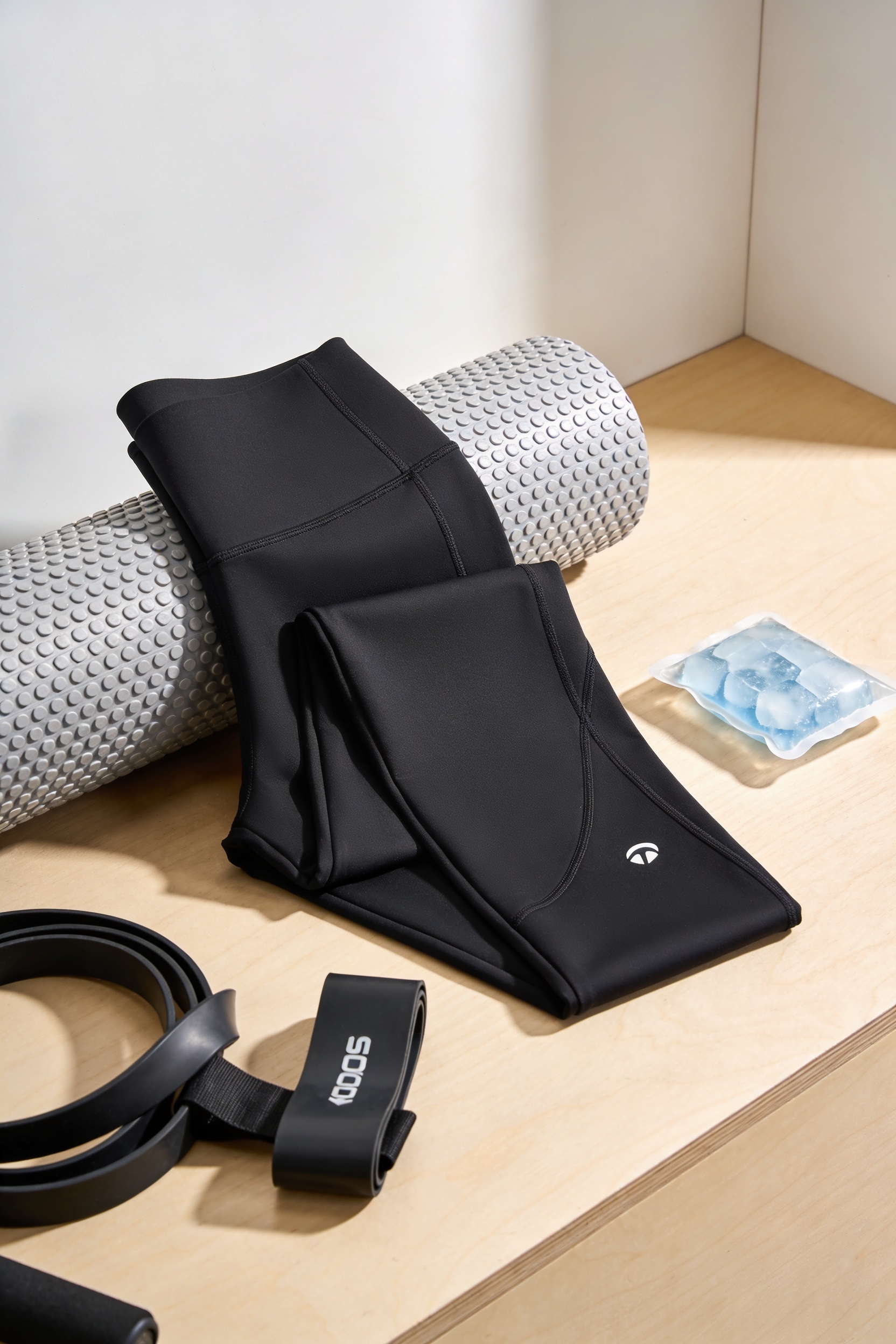
Why Do Athletes Swear By Compression Leggings?

Athletes swear by compression leggings because they literally work—you get better blood flow pushing metabolic waste out of your legs while oxygen gets delivered where you need it. The squeeze stabilizes your muscles so you’re not wasting energy fighting vibration, and honestly, that matters most when you’re already gassed in mile 20. Recovery’s faster too since compression keeps swelling down and clears lactic acid quicker, so you’re not hobbling around like you got hit by a truck the next day. There’s more science here worth understanding.
Key Takeaways
- Compression leggings boost oxygen delivery by stimulating blood vessels and reducing metabolic waste pooling in muscles.
- Graduated compression accelerates recovery by enhancing lymphatic drainage, reducing inflammation, and clearing lactic acid faster.
- Dampened muscle vibration preserves stride efficiency and form, preventing energy-wasting compensations during intense or prolonged exercise.
- Enhanced blood flow maintains muscle oxygenation and stability, contributing to improved strength and endurance performance.
- Consistent wear before, during, and after workouts provides cumulative benefits for distance athletes tackling marathons and ultramarathons.
How Compression Leggings Boost Blood Flow and Oxygen Delivery
Here’s the thing about compression leggings—they’re basically giving your circulatory system a gentle squeeze in all the right places, and I know that sounds a little weird when you first hear it, but stick with me. What’s happening is graduated compression creates vascular shear stress that fundamentally wakes up your blood vessels and gets them working harder. You’re triggering capillary recruitment, meaning more tiny blood vessels activate to deliver oxygen where you need it most. I’m sure you’ve noticed how your legs feel heavier after a brutal workout—that’s partly poor circulation pooling metabolic waste. Compression shorts intercept that problem by pushing blood back toward your heart more efficiently, flooding your muscles with fresh oxygen while simultaneously flushing out lactate and other junk that makes you feel absolutely trashed. The natural elasticity of merino wool compression designs allows for unrestricted movement while maintaining consistent pressure throughout your workout.
The Science Behind Reduced Muscle Soreness and Faster Recovery
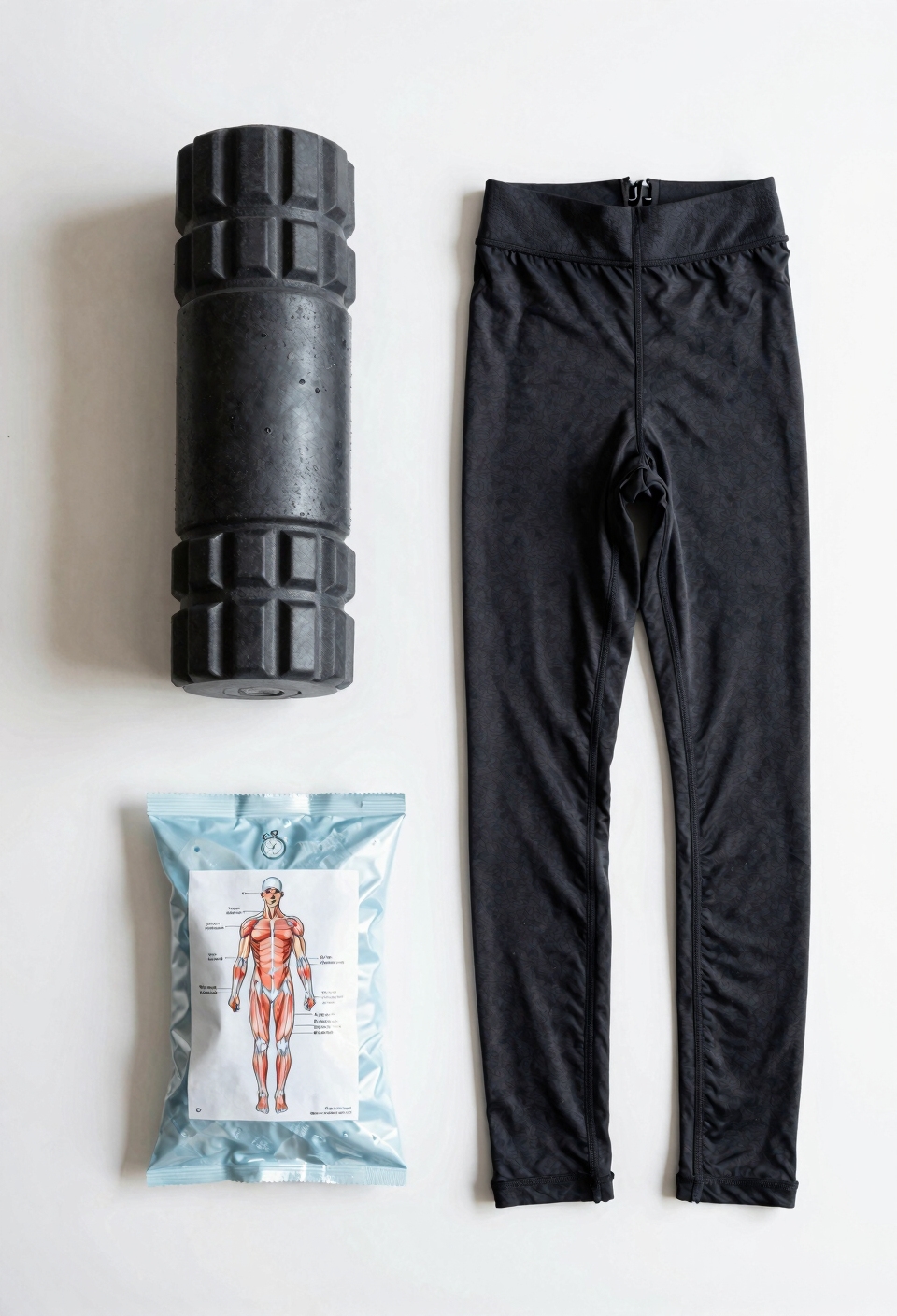
All right, so here’s what most people don’t realize about muscle soreness—it’s not actually the workout itself that’s killing you the next day, it’s the inflammatory response and all that metabolic garbage your body’s struggling to clear out. Compression leggings tackle this through microtrauma mitigation and inflammatory modulation by boosting blood flow to flush lactic acid and creatine kinase from your muscles faster than you’d naturally recover.
I’m sure you’ve noticed how your legs feel like cinder blocks by day two? Compression works because it accelerates lymphatic drainage, literally moving that inflammatory fluid out before it settles in. You’re effectively shortcutting the recovery process—less swelling means less soreness means you’re actually ready for your next workout instead of shuffling around like you’ve aged ten years overnight. Modern athletic wear combines compression technology with moisture-wicking fabrics that enhance the recovery process by keeping skin dry and comfortable while your body works to eliminate metabolic waste.
Enhanced Performance: Stability, Strength, and Endurance Gains
When you’re actually pushing hard in a workout, your muscles are vibrating thousands of times per second—and yeah, I know that sounds made up, but it’s real—and that micro-oscillation is eating away at your performance and leaving you trashed. Compression leggings dampen those vibrations like shock absorbers on a car, which means your stride mechanics stay cleaner longer and you’re not burning out halfway through. I’m sure you’ve noticed how your form falls apart when fatigue sets in—well, that’s partly the muscle shake working against you. Core engagement stays locked tighter when you’ve got compression working, so you’re not wasting energy compensating for instability. The four-way stretch fabrics with moisture-wicking properties ensure that compression leggings move with your body while maintaining their supportive structure throughout your workout. You move more efficiently, your muscles stay oxygenated, and honestly, you just feel more powerful. That’s not placebo; that’s physics doing its thing.
Compression Leggings for Long-Distance Athletes: Beating Fatigue
Now, if keeping your muscles from shaking themselves to pieces helps you hold strong for a 5K, imagine what happens when you’re staring down mile 18 of a marathon or pushing into hour three of an ultramarathon—that’s where compression leggings stop being a nice-to-have and become your best friend in spandex form. I’m sure you’ve noticed how fatigue biomarkers like lactate accumulation absolutely wreck you in those final miles. Compression supports your gait efficiency by stabilizing everything, meaning you’re not wasting energy fighting micro-vibrations or muscle oscillation. You’re moving smarter, not harder. The graduated compression keeps blood flowing steadily, flushing metabolic waste before it pools in your legs. Bamboo activewear offers a complementary advantage with its moisture-wicking properties that work alongside compression to regulate temperature and reduce post-workout odors, enhancing comfort during those grueling final miles. Honestly, when you’re barely holding it together at mile 20, that’s when compression makes the difference between crossing the finish line strong or limping through it.
Which Sports and Athletes Benefit Most From Compression Leggings
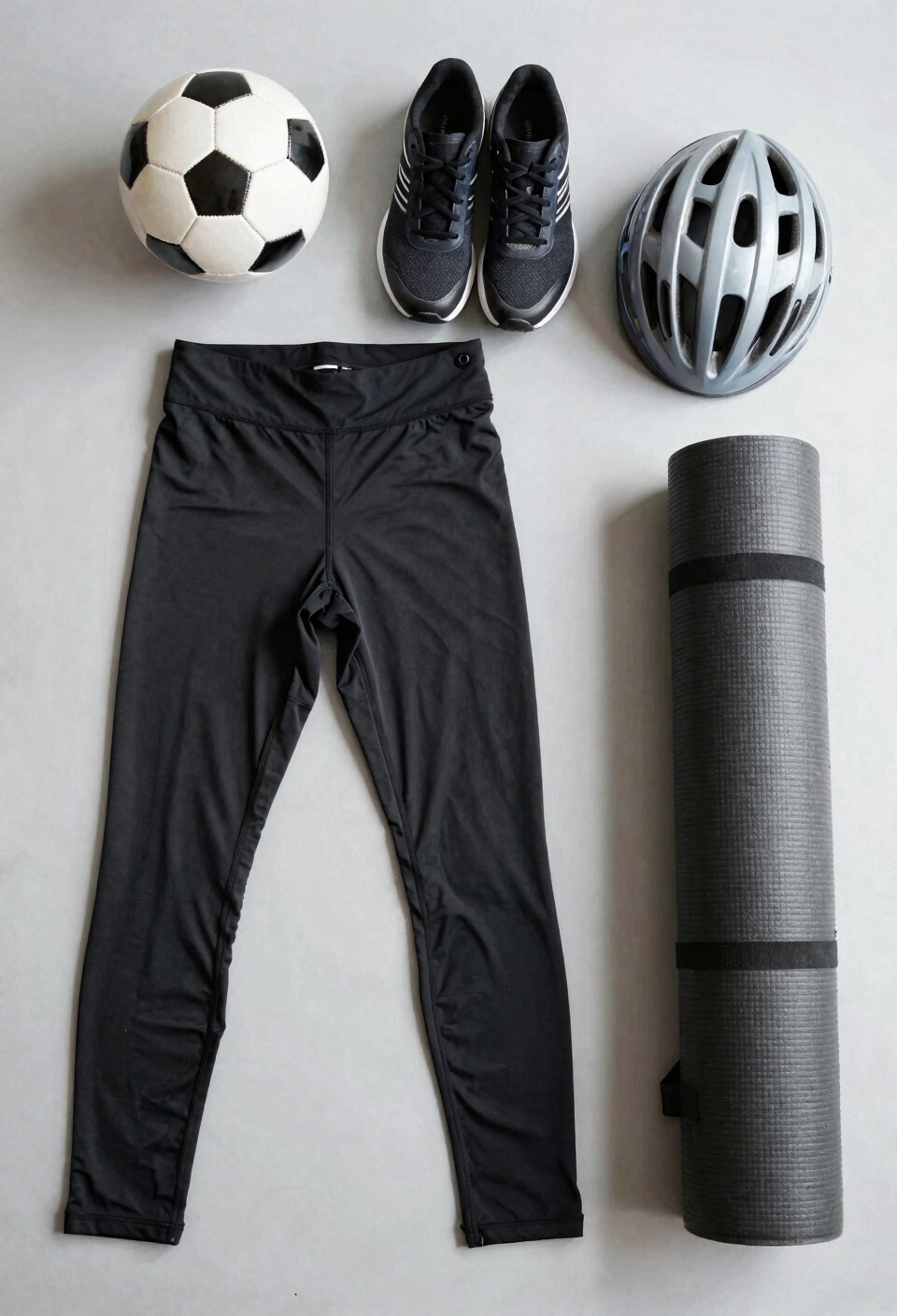
Because compression leggings work by stabilizing muscle vibration and accelerating blood flow, they’re basically performance multipliers for sports where your legs are doing the heavy lifting—and I mean that literally. You’ve probably noticed distance runners swear by them, and yeah, that makes sense given all the impact. But I’m sure you’ve also caught court athletes moving in them—basketball and volleyball players benefit seriously since explosive movements demand stability and quick recovery between plays. Winter sports athletes? They’re onto something too, honestly. The compression keeps muscles firing efficiently when cold naturally zaps performance. Cyclists, trail runners, CrossFit folks—basically anyone whose legs are the engine finds them genuinely useful. The ideal compression level of 10-15 mmHg provides muscle support without restriction during high-intensity training. It’s not snake oil; it’s physics working in your favor.
When and How to Wear Compression Leggings for Maximum Results
Timing’s really everything with compression leggings—I mean, you can’t just throw them on whenever and expect magic to happen. I’m sure you’ve noticed that pre-workout timing matters; I slip mine on about fifteen minutes before I start moving, which gives them time to settle and start working their circulation magic. Now, here’s what actually works: wear them during your workout, obviously, but also keep them on for at least two hours after you’re done. That’s when the real recovery happens. For compression layering, I stack them under regular pants if I’m heading back to work—totally inconspicuous, and you’re getting benefits all day. Some athletes sleep in theirs too, though I’ll admit that’s beyond my comfort zone. Pairing compression leggings with high-waisted bottoms creates optimal coverage and enhances the support benefits during both exercise and recovery periods.
Frequently Asked Questions
Are Compression Leggings Safe to Wear for Extended Periods Throughout the Day?
I’d say yes, they’re safe for all-day wear if you choose quality pairs. You’ll want to monitor for skin irritation and make certain proper thermal regulation. Taking breaks helps prevent discomfort and keeps circulation ideal throughout your day.
How Do Compression Leggings Compare in Effectiveness to Other Recovery Methods Like Ice Baths?
I’d say compression leggings beat ice baths hands down. They’re gentler on blood flow, reduce perceived soreness through graduated pressure, and you can wear them daily without shock to your system. Ice baths work faster but feel brutal.
Can Compression Leggings Help Prevent Injuries or Are They Only for Recovery?
I’ve found compression leggings actively prevent injuries by enhancing muscle proprioception and improving venous return during activity. They’re not just recovery tools—they stabilize muscles, reduce impact strain, and support joints while you’re exercising, markedly lowering injury risk.
What Compression Level (mmHg) Should Different Athletes Choose for Their Specific Needs?
Like finding the right shoe size, you’ll want mild compression (15-20 mmHg) for daily wear, while intense athletes benefit from graduated pressure (20-30 mmHg) to maximize circulation and recovery demands.
Do Compression Leggings Work Equally Well for All Body Types and Fitness Levels?
No, compression leggings don’t work equally for everyone. I’ve found that fit variations and size inclusivity matter substantially—you’ll get better results when you’re wearing leggings properly fitted to your unique body type and fitness level.
Conclusion
Look, I’m not saying compression leggings‘ll turn you into a superhero—I mean, you’re still you, sweating and complaining about hills. But they’ll honestly make you feel less like a creaky door the next morning, boost your blood flow so your muscles get what they need, and maybe squeeze out a bit more performance when it counts. You’ve probably noticed your legs feel fresher wearing them. That’s not placebo; that’s science doing its thing while you’re just out here suffering beautifully.