As an Amazon Associate, we earn from qualifying purchases. Some links on this site are affiliate links at no extra cost to you. Our recommendations are based on thorough research and editorial judgment.

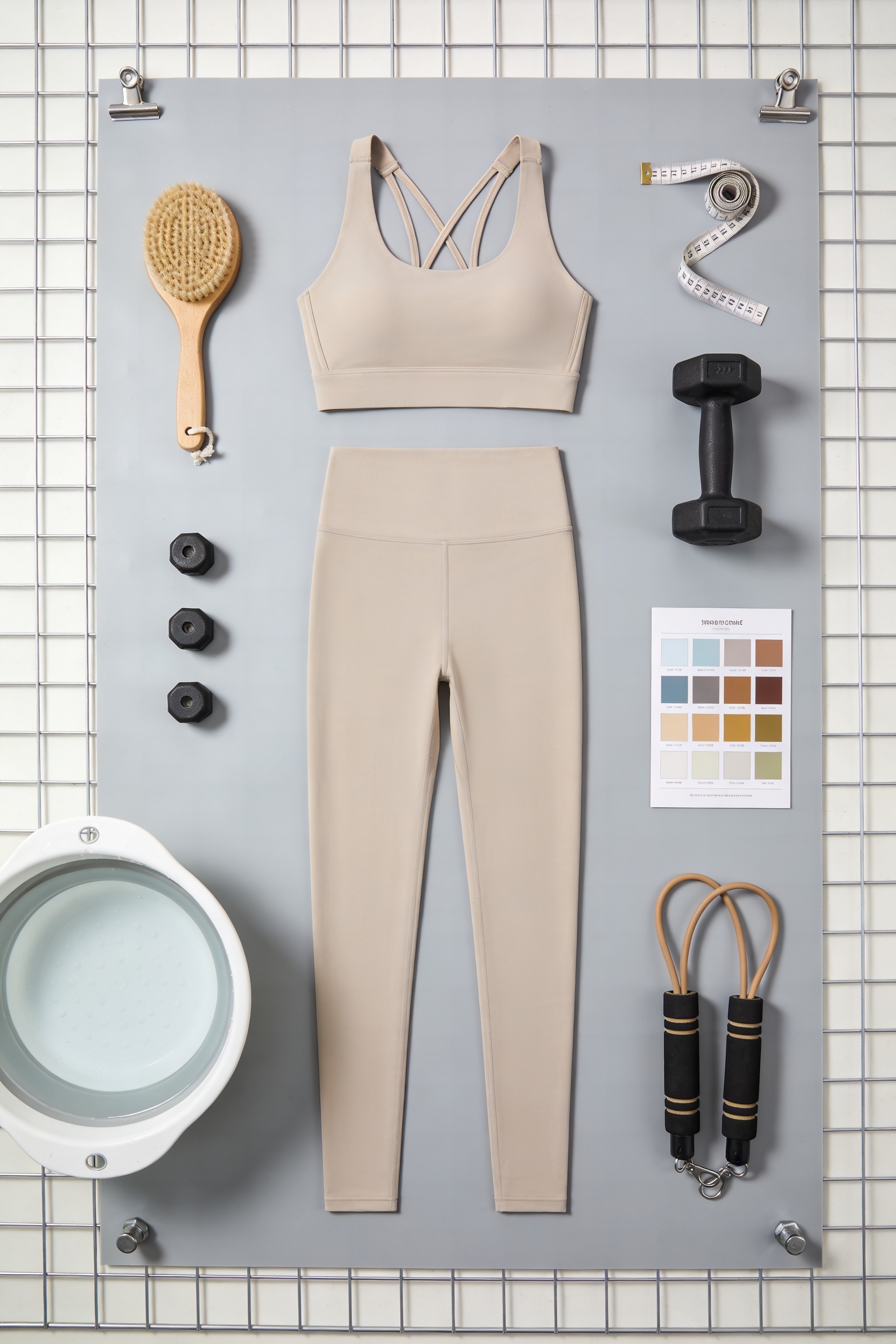
10 Tests To Rate Your Seamless Activewear’s Lifespan

Look, I’m sure you’ve noticed how some activewear falls apart after three months while other stuff survives the laundry apocalypse—and honestly, there’s actual science behind it. You can’t just eyeball quality; you need to check how fabric handles real stress: abrasion cycles, tensile strength, elastane recovery, heat exposure, and whether it holds color without pilling. The real differentiator? Brands testing across hundreds of wash cycles, not just slapping on a tag and hoping for the best. Stick around and I’ll walk you through exactly what separates three-year gear from one-season disasters.
Key Takeaways
- Abrasion resistance testing through 100,000+ cycles under controlled conditions simulates real-world wear durability.
- Tensile strength tests (strip and grab) measure fabric and seam integrity against tearing during movement.
- Stretch recovery assessment over 200+ wash cycles indicates elastane quality and fiber memory performance.
- Dimensional stability testing across 50, 100, and 200 wash cycles ensures shrinkage stays below 1%.
- Color, pilling, and surface appearance monitoring after repeated washes predicts long-term aesthetic degradation rates.
Abrasion Resistance: Can It Handle 100,000 Cycles?
When you’re dropping serious money on seamless activewear, you’re basically asking one fundamental question: how long’s this thing actually going to last before it starts falling apart?
Here’s where abrasion resistance testing enters the chat. I’m sure you’ve noticed how friction destroys fabrics—think of it like your gear’s surface morphology getting beaten down through repeated stress. The gold standard? Your activewear should survive 100,000 abrasion cycles without significant deterioration. That’s not some random number; it’s basically the difference between gear lasting you years versus becoming a ratty mess after one season.
Abrasion mapping lets testers track exactly where and how your fabric fails under controlled pressure, humidity, and temperature. Obviously, you want thread integrity holding strong, no coating damage, and minimal strength loss. It’s the real deal indicator of longevity. Proper care like cold water wash and hang dry is essential for maintaining elasticity over time and ensuring your activewear reaches its full lifespan potential.
Strip Tensile Strength: Will the Fabric Tear Under Stress?
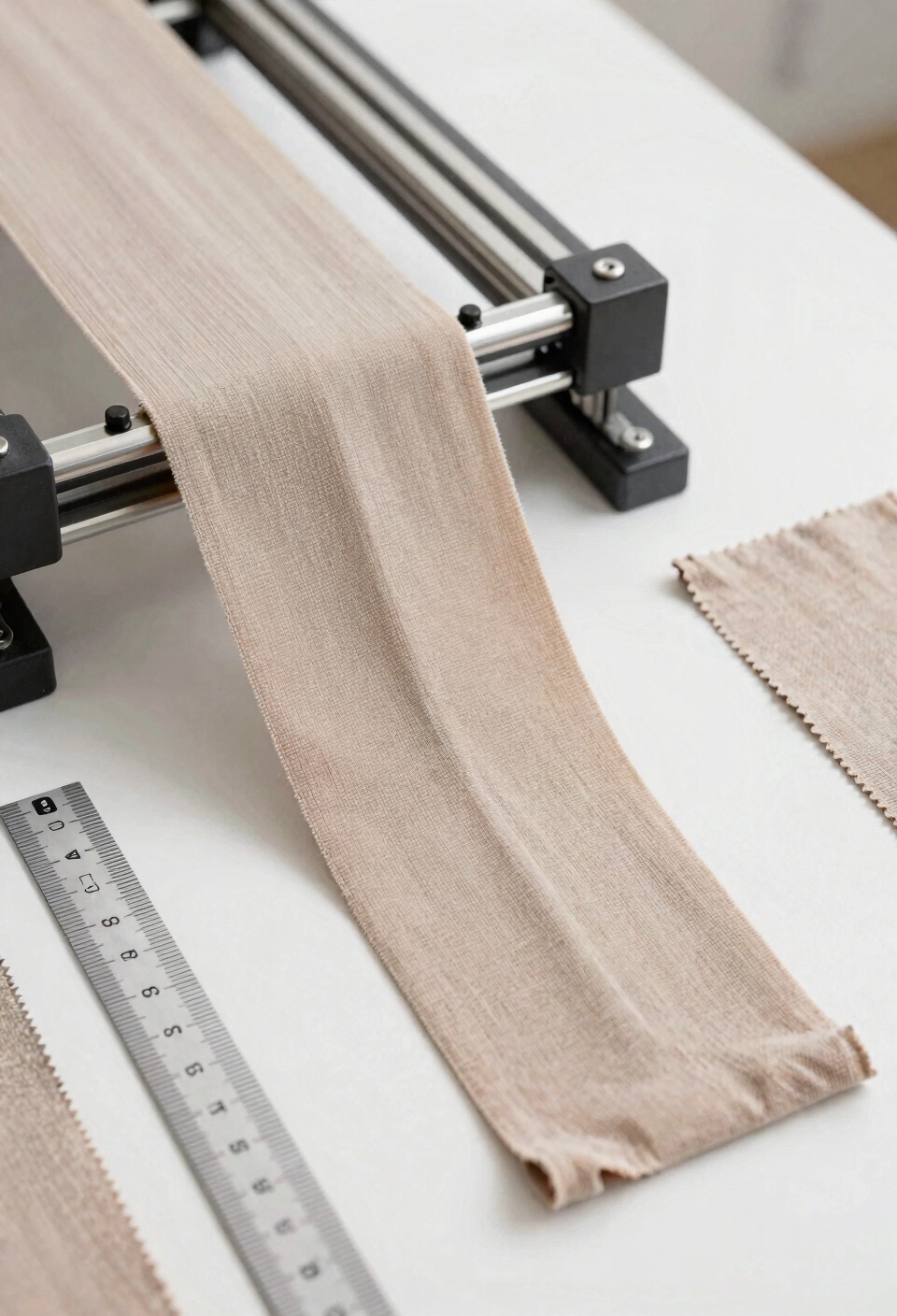
Now here’s the thing about abrasion resistance—it tells you your fabric can handle surface-level beating, which is great and all, but it doesn’t actually tell you whether the whole thing’s going to rip apart when you’re doing lunges or sprinting or literally just existing in your activewear. That’s where strip tensile strength testing comes in.
The strip test uses wide-jaw clamps gripping your entire fabric width to measure how much stress it can actually handle before tearing. You’re basically asking: can this fabric survive real athletic movement? I mean, seam slippage and poor seam reinforcement will tank even strong fabric, so manufacturers test both the material itself and how well those seams hold up. Without this data, you’re just guessing whether you’ll get three years or three weeks of wear.
Merino wool activewear demonstrates superior shape retention compared to synthetic alternatives, which means the garment maintains its structural integrity through repeated stress cycles. This durability benefit makes it an excellent choice for those seeking long-lasting workout clothes that won’t deteriorate after intense athletic activity.
Grab Tensile Strength: How It Holds Up During Athletic Movement
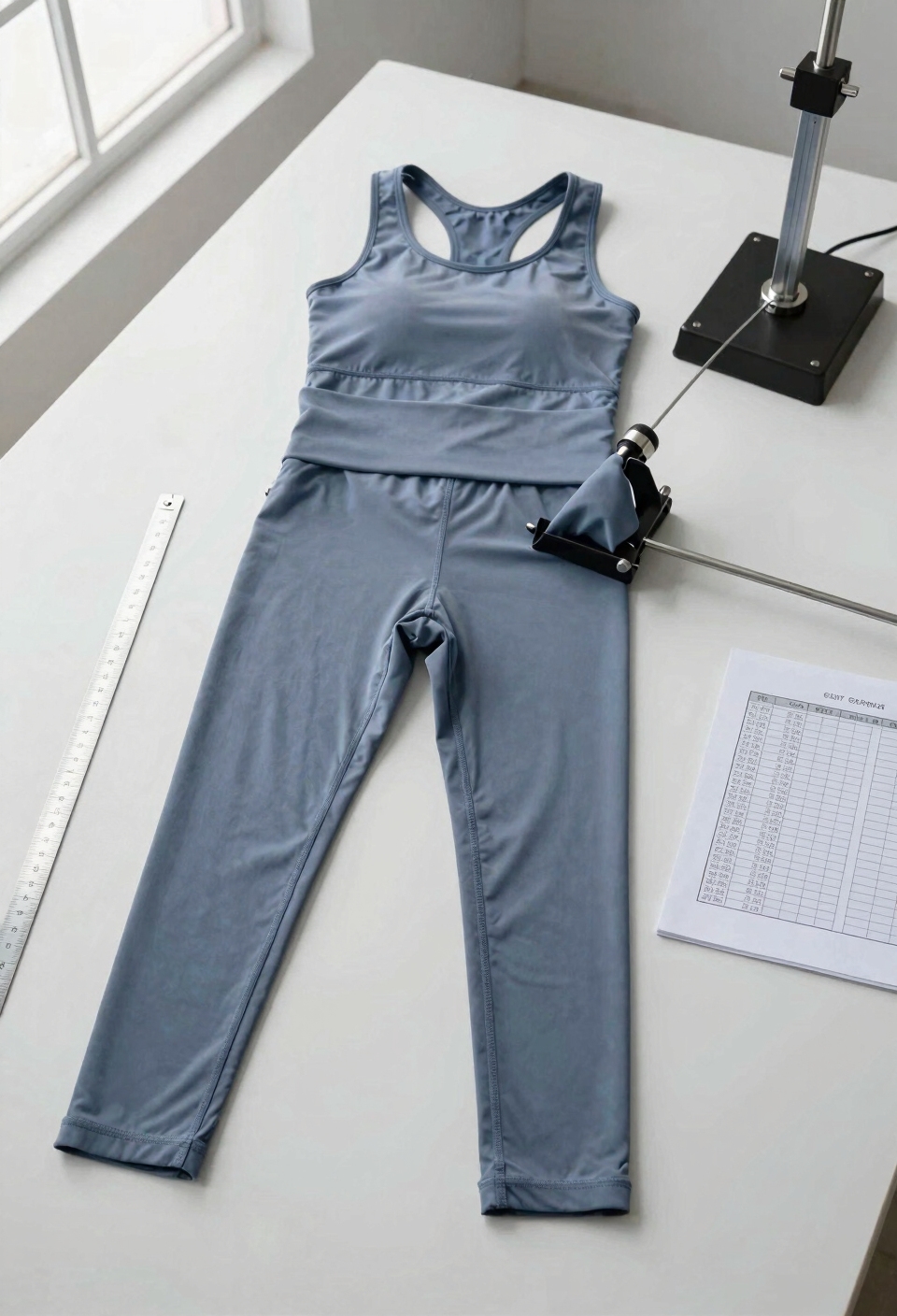
Here’s where the grab test comes into play—it’s basically the strip test‘s meaner cousin that actually simulates what happens when you’re moving hard. Instead of gripping your entire fabric width like the strip test does, the grab test uses narrower clamps that only pinch the center section. This matters because, I’m sure you’ve noticed, your seams and localized areas take the real beating during intense workouts—not your entire garment equally.
The grab test exposes motion triggered fatigue by mimicking how athletic movements create concentrated stress zones. You’re basically asking: can this fabric handle the seam stress when you’re lunging, sprinting, or twisting? It’s way more honest than the strip test alone, honestly. Combined testing gives you the full picture of your activewear’s real-world durability. High-quality American-made activewear often features reinforced double-stitched seams that are specifically designed to withstand these concentrated stress zones better than standard construction methods.
Stretch Recovery: Does It Bounce Back After Wear and Washing?
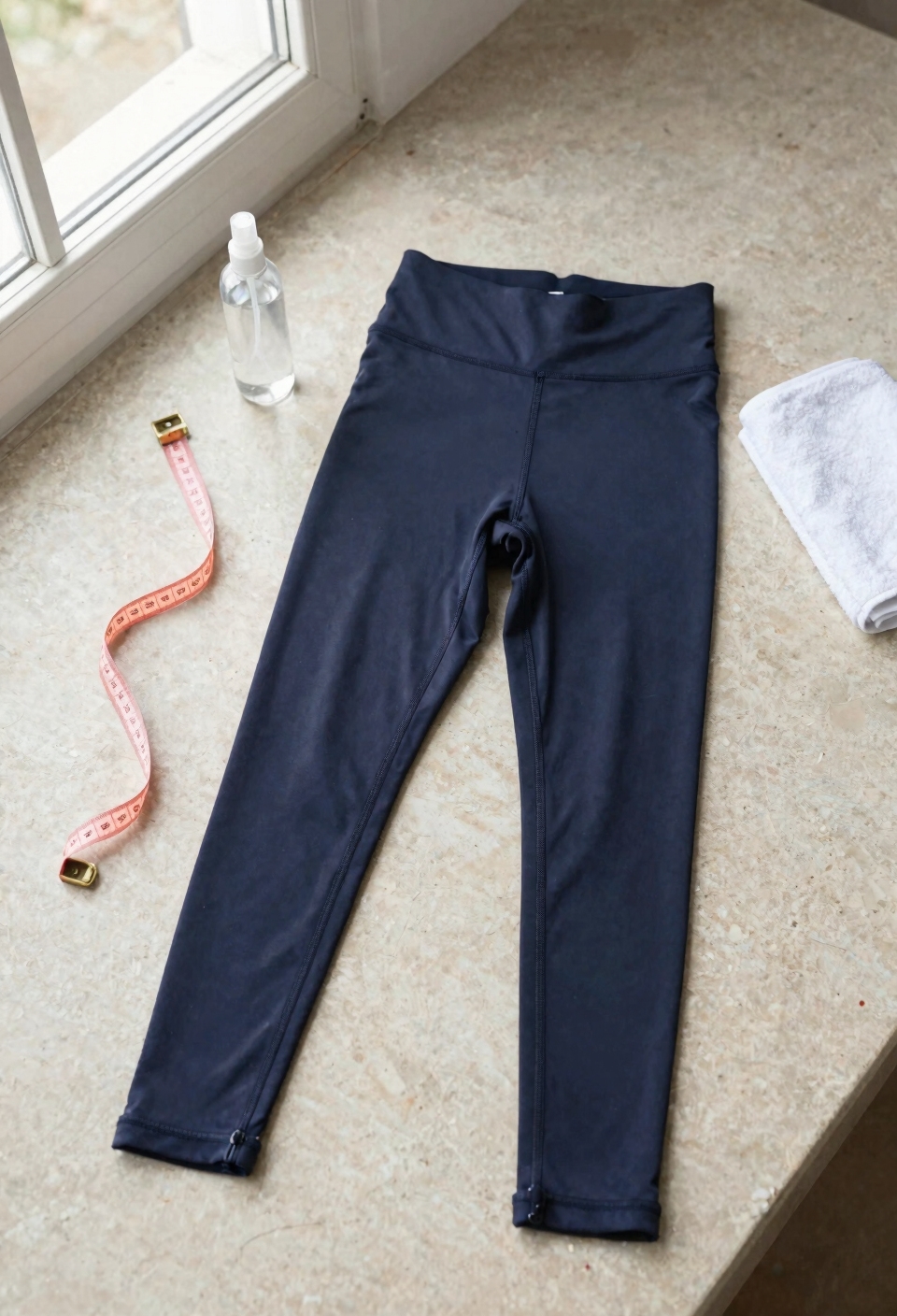
If you’ve ever pulled on a pair of activewear that’s stretched out like an old rubber band left in the sun, you know that stretch recovery is the real MVP of durability testing—it’s basically asking whether your garment’s elastic actually remembers its job after you’ve beaten it up through workouts and thrown it in the washing machine fifty times. I’m sure you’ve noticed how some pieces bounce back while others just give up, and that’s all about fiber memory and recovery rate. Quality seamless activewear maintains its elasticity over 200 wash cycles, whereas cheaper alternatives start sagging after thirty or forty. Obviously, that elastane quality matters here—it’s the difference between three years of reliable support and one disappointing season. To preserve your activewear’s stretch recovery, follow proper care instructions including hang-drying and gentle washing cycles that extend the product’s lifespan.
Elastic Fatigue: When Does Elastane Give Out?
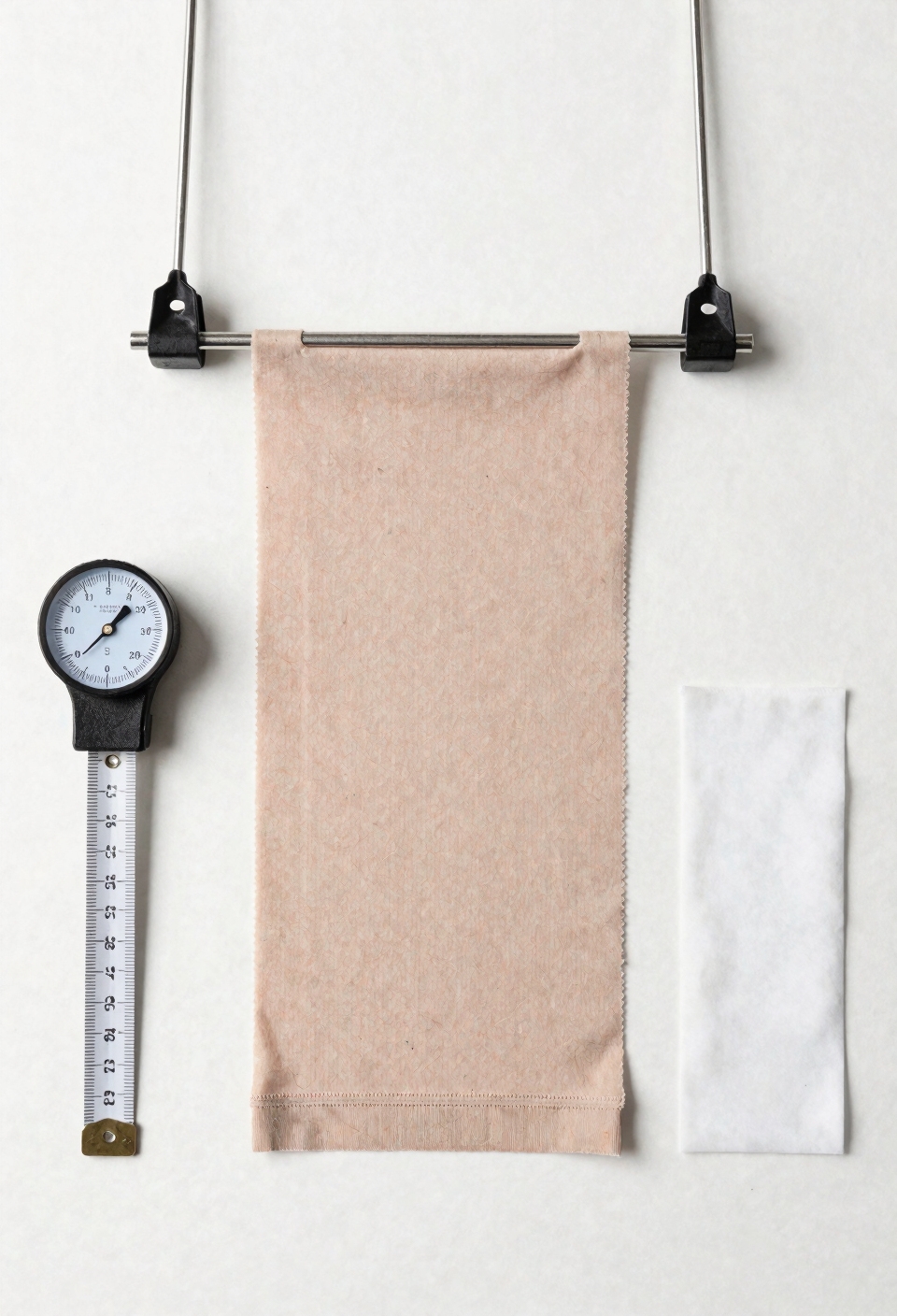
Because elastane’s got a finite lifespan—kind of like that friend who’s always up for adventures but eventually needs a vacation—elastic fatigue is where the rubber literally meets the road, and understanding when your activewear’s gonna throw in the towel is essential if you want to get real value out of your investment. You’ve probably noticed how your favorite leggings start losing their grip after a certain point. That’s elastane degradation happening right before your eyes. The fibers break down from repeated stretching, washing, and heat exposure, and here’s the kicker: inferior fabrics start giving up around 20-30 wears. Meanwhile, quality seamless construction keeps performing strong through hundreds of cycles. Studies show that moisture-wicking fabrics remain effective after 100+ washes, demonstrating how proper material selection directly impacts elastane longevity and overall garment durability. I’m sure you’ve also worried about microplastic shedding—yeah, that’s real too—but honestly, proper elastane quality minimizes it considerably.
Shrinkage and Fit: Will It Survive 200 Wash Cycles?
Now that we’ve talked about how elastane breaks down over time, let’s get real about something that’ll mess with your activewear just as much—shrinkage. I’m sure you’ve noticed how some pieces just… shrink, right? Here’s the thing: your fiber blends matter enormously. Quality seamless activewear holds its shape after 200 wash cycles, while cheaper alternatives start deforming after 30-40 washes. The industry standard says shrinkage shouldn’t exceed 1%, but honestly, that’s where seam integrity really shows its worth. When seams are properly constructed, they resist the stress that causes dimensional changes. You want brands testing across 50, 100, and 200 cycles—not just guessing. Durable materials like those constructed from high-quality polyester and spandex blends ensure that your activewear maintains its appearance and performance even after multiple intense training sessions and frequent washing. That’s how you know your gear’ll actually survive regular laundering without becoming a crop top when it’s supposed to be a tank.
Heat Exposure: Can It Handle Temperature Swings?
Your seamless activewear faces a sneaky enemy that most people don’t think about until it’s too late—temperature swings. I’m sure you’ve noticed how your favorite leggings feel different after a hot wash versus air drying, right? That’s thermal cycling at work, basically your fabric getting stressed from repeated heating and cooling cycles. Here’s the thing: fabrics experience something called fabric creep, where elastic fibers gradually lose their snap over time when exposed to temperature fluctuations. Think of it like a rubber band that’s been left in the sun too long—it just doesn’t bounce back anymore. To maintain the integrity of your premium activewear, gentle care recommended for durability, including air-drying to prevent shrinkage and avoid harsh detergents and high heat. Quality seamless activewear should handle these swings without falling apart, but cheaper alternatives? They’re basically doomed after a handful of hot cycles.
Color and Pilling: Does It Look Good After a Year?
How much does a year of regular workouts actually wreck the look of your seamless activewear? You’d be surprised—or maybe not, depending on what you’ve bought. I’m sure you’ve noticed how some pieces fade like they’re allergic to color, while others hold their vibrancy like they’re genuinely offended by sunlight. The real culprits are color migration—when dyes bleed into the fabric’s surface—and loss of that original surface sheen that makes new gear feel premium. Quality testing tracks exactly this: manufacturers monitor for fading after repeated washes and sweat cycles, plus they check for pilling, those annoying little fiber balls that make your shirt look like it survived a hostile takeover. Proper care and maintenance practices, such as air drying and following washing instructions, are essential to preserve the appearance and performance of your activewear over time. Good seamless activewear maintains appearance integrity throughout extended use, keeping you looking intentional rather than accidentally disheveled.
Shape Retention: What Separates 3-Year Activewear From 1-Season Gear
While color and pilling tell you whether your gear looks intentional or accidentally abused, shape retention‘s the real difference between activewear that lasts three years and stuff that gives up after one season. I’m sure you’ve noticed how some leggings bag out at the knees after a month, while others keep their original fit through hundreds of wears. That’s fiber memory and seam engineering doing the heavy lifting. Quality brands test stretch recovery after repeated cycles, measuring how well the fabric bounces back. You’ll find premium seamless construction holds its shape after 200 washes; cheaper alternatives start sagging around 30-40. Obviously, elastane quality matters here, but the real secret’s in how designers engineer those seams to maintain support when you’re actually moving. Washing in cold water and air drying recommended to prevent fading helps preserve the elasticity and shape retention of your seamless activewear over time.
What These Tests Really Predict About Lifespan
All right, here’s the thing about all these durability tests—they’re basically crystal balls, except they actually work. When you see that a fabric survives 100,000 abrasion cycles, you’re not just looking at a number; you’re looking at your actual lifespan prediction staring you in the face. I’m sure you’ve noticed how some gear falls apart after a season while others keep going. That’s because manufacturing traceability and material biodegradability matter more than most brands admit. Tests predict what’ll happen because they’re simulating real life—the sweat, the friction, the washing. You want data showing 200-cycle wash testing results, not vague claims. Premium gear that maintains shape after 50 wash cycles at 30C demonstrates the kind of durability metrics that actually translate to longevity. Obviously, nothing lasts forever, but these metrics? They’re telling you whether you’re buying three years or three months of actual wear.
Frequently Asked Questions
How Do Seamless Activewear Durability Tests Compare to Standard Clothing Quality Benchmarks?
Seamless construction undergoes more rigorous wear testing than standard clothing. I’d say durability tests emphasize stretch recovery and thermal regulation standards that regular garments don’t require, ensuring your activewear performs beyond typical quality benchmarks.
What Specific Fabric Compositions Best Support the Three to Five-Year Lifespan Standard?
I’ve found that polyester blends with high-quality elastane deliver the three to five-year lifespan you’re seeking. I’d also recommend exploring modal alternatives, which offer excellent durability when combined with synthetic reinforcement fibers for peak longevity.
Does Home Washing Differ Significantly From Standard Test Conditions Affecting Actual Longevity?
Like a telegraph operator decoding messages, I’d say yes—your home detergents and machine washability settings differ markedly from lab conditions, potentially shortening your activewear’s lifespan compared to controlled testing standards.
How Do Environmental Factors Like Chlorine or Saltwater Impact Durability Test Results?
I’ll tell you that chlorine degradation and saltwater abrasion markedly compromise durability results. Standard tests don’t replicate these harsh environments, so your seamless activewear’s actual lifespan shortens considerably when exposed to pools or ocean conditions regularly.
Can Durability Test Data Predict Real-World Performance Across Different Body Types and Activity Levels?
I’d say durability test data provides a foundation, but it can’t fully predict real-world performance across different body types and activity levels due to fit variability and user perception variations in how garments perform during actual wear.
Conclusion
Look, these tests aren’t crystal balls, but they’re pretty solid roadmaps. You’re basically watching your activewear get put through the wringer—literally—so you know whether you’re buying a loyal workout companion or a three-month imposter. I’m sure you’ve noticed how some gear just crumbles while others keep trucking. Now you’ve got the cheat code. Your wallet’s gonna thank you.