As an Amazon Associate, we earn from qualifying purchases. Some links on this site are affiliate links at no extra cost to you. Our recommendations are based on thorough research and editorial judgment.

The Perfect Fit Guide For Gym Clothes

Getting the perfect gym clothes fit starts with accurate body measurements – use a flexible tape while wearing minimal clothing. You'll want to test mobility through basic movements like squats and lunges to guarantee nothing restricts your range of motion. Look for fabrics with 15-20% elastane for ideal flexibility, and make certain compression zones hit the right spots (thighs, calves, and core). Sports-specific requirements matter too: runners need anti-chafe gear, while yogis need form-fitting clothes for pose stability. Don't forget seasonal layering – start with moisture-wicking base layers and adjust accordingly. There's much more to achieving that perfect workout fit than meets the eye.
Key Takeaways
- Take accurate body measurements with a flexible tape measure while wearing minimal clothing to ensure proper sizing and fit.
- Test clothing mobility by performing basic exercises like squats and lunges before committing to purchase.
- Choose garments with 15-20% elastane content for ideal balance between compression, flexibility, and muscle support.
- Ensure shoulder seams align perfectly and waistbands stay in place without rolling down during movement.
- Select sport-specific clothing that matches your activity, such as compression wear for HIIT or flexible fabric for yoga.
Understanding Your Body Measurements
Your body's measurements serve as the foundation for finding the perfect gym clothes that will enhance your workout experience. Getting accurate body measurements isn't rocket science, but it does require attention to detail — and yes, you'll need to put down that morning coffee for a few minutes to focus.
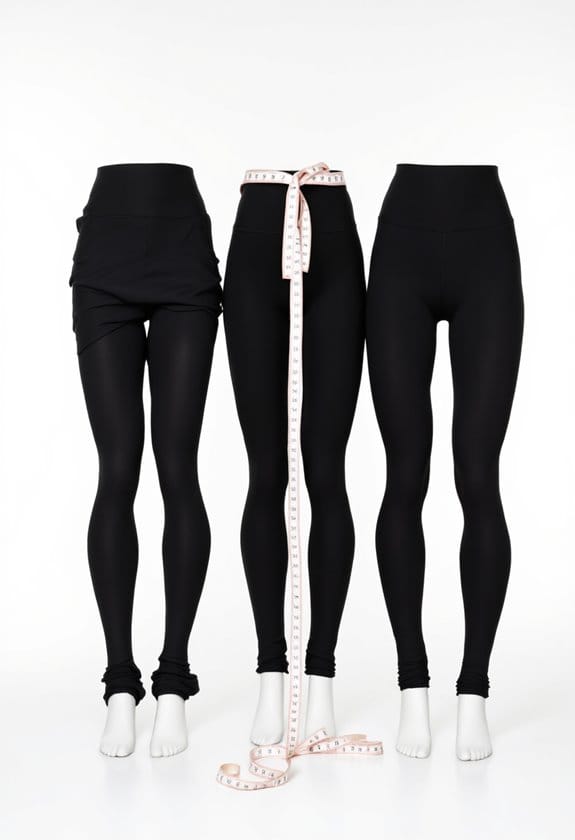
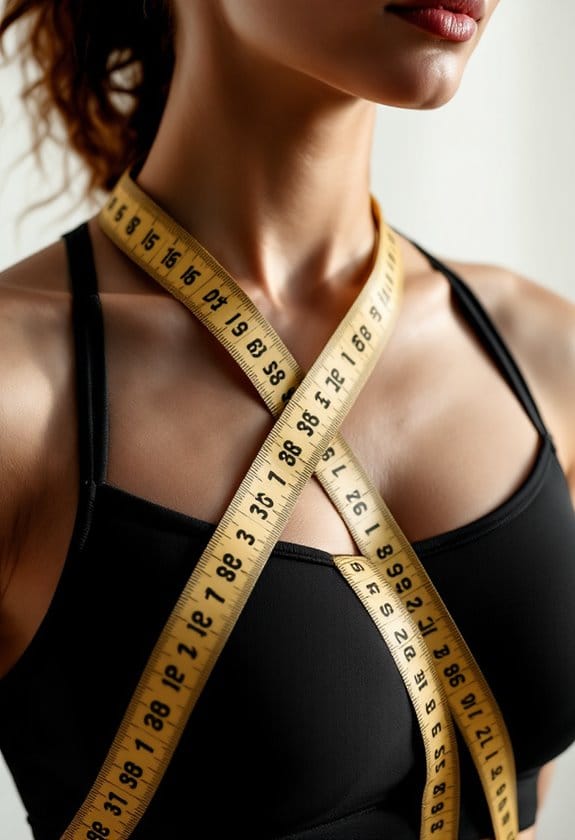
To start, grab a flexible measuring tape and strip down to minimal clothing (don't worry, it's just you and your tape measure). Here's what you'll need to measure:
- Bust measurement: Wrap the tape around the fullest part of your chest
- Waist measurement: Find the narrowest part above your belly button
- Hip measurement: Measure around the widest part of your hips and buttocks
Stand straight with your feet together — no cheating by standing on tiptoes! — and make certain the tape is snug but not cutting off circulation. You want these numbers to reflect your actual size, not your "after I skip dessert for a week" size.
Once you've got your measurements, record them somewhere handy. They'll be your secret weapon when comparing different brands' sizing charts, helping you find that comfortable fit that'll keep you focused on crushing your workout goals.
Mobility and Range Tests
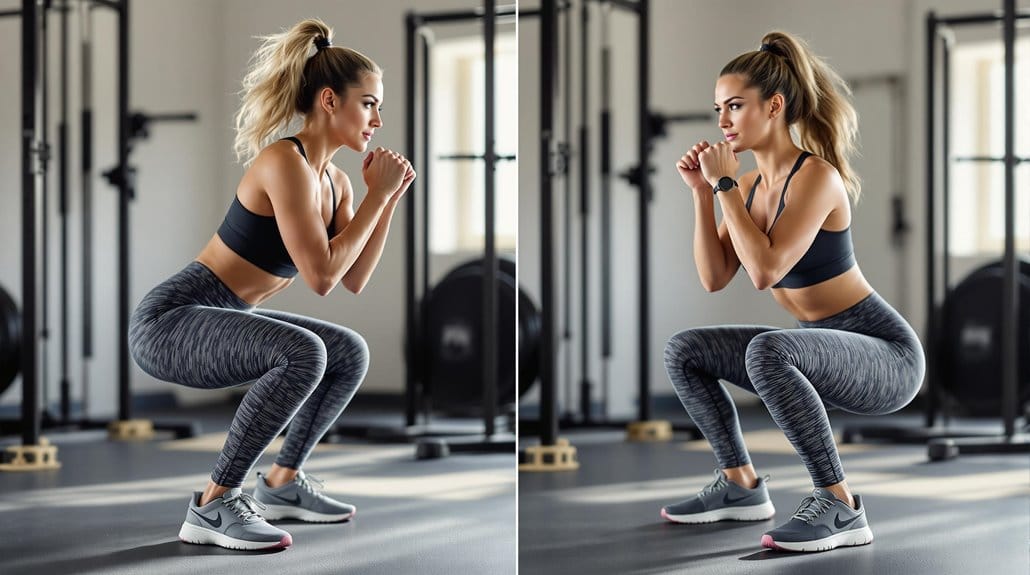
Now that you've got your measurements down, it's time to put those potential gym clothes through their paces. The key to finding the perfect workout wear lies in how well you can move in them — because nobody wants to feel like they're wearing a straightjacket while doing burpees!
Start with basic mobility tests that mimic your typical workout routine. Try performing these essential movements:
- Deep squats (make sure those leggings aren't see-through!)
- Walking lunges with arm raises
- Jumping jacks and twists
- Forward bends and stretches
When testing, your gym clothes should fit snugly without restricting your range of motion. Look for items with a good percentage of spandex or elastane — these materials provide the flexibility you'll need for dynamic movements. The fabric should move with you, not against you, and maintain its shape throughout your workout.
Pay special attention to how the clothing performs during different positions. If you're constantly adjusting or tugging at your clothes, that's a red flag. Remember, proper moisture-wicking properties are just as important as comfort and flexibility — you want gear that keeps you dry while allowing full range of movement. Additionally, consider moisture-wicking fabrics that dry quickly and remain effective after multiple washes to ensure lasting performance.
Sports Specific Fit Requirements
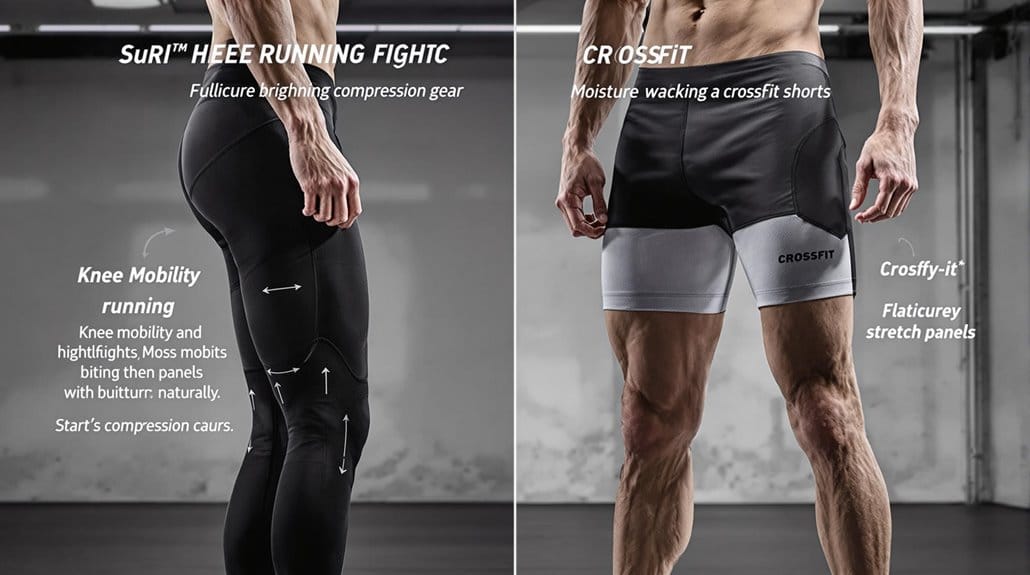
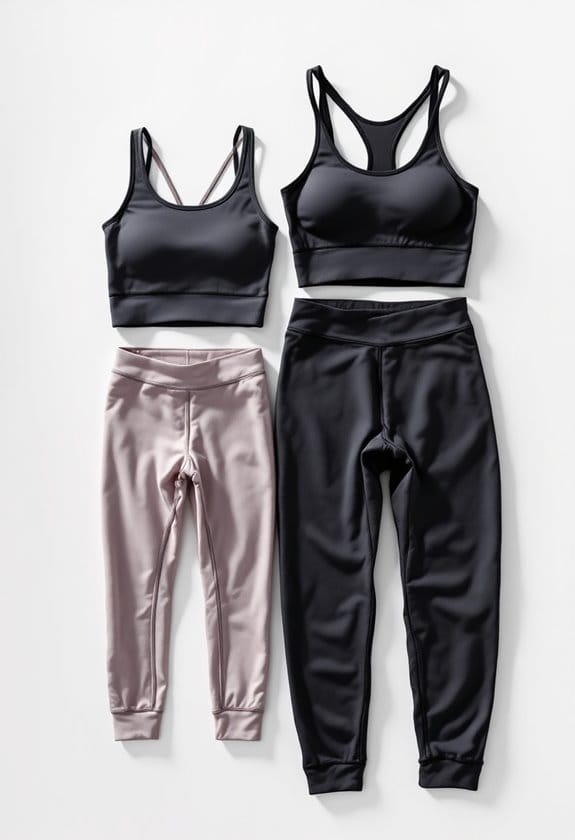
Different sports demand different fits from your workout clothes, and choosing the right style can make or break your performance. You'll need to match your gear to your activity's specific requirements for the best results.
For running enthusiasts, your primary focus should be on moisture-wicking shorts or leggings that won't ride up or chafe — particularly during those long-distance sessions. When it comes to yoga and Pilates, you'll want form-fitting tops and bottoms that stay put during inverted poses (no one needs a shirt in their face during downward dog!).
HIIT warriors, listen up: your best friends are supportive sports bras and compression garments that'll keep everything locked in place during those burpee sets. For strength training, opt for comfortable, breathable clothing that allows a full range of motion — you don't want baggy fabric getting caught while you're crushing those deadlifts.
Cyclists need special attention to fit, with padded shorts being non-negotiable for those long rides. Your jersey should be snug enough to prevent wind resistance but not so tight that it restricts your breathing during climbs. Choosing fabrics with moisture-wicking properties can further enhance your comfort during intense workouts.
Remember: when in doubt, opt for clothing that can absorb moisture and moves with you, not against you.
Recommended Products

✿ Premium 4-Way Stretch Performance Fabric: High-quality nylon spandex blend designed for superior flexibility, durability, and long-lasting elasticity. Moves effortlessly with the body, making it perfect for fitted garments and high-movement apparel.
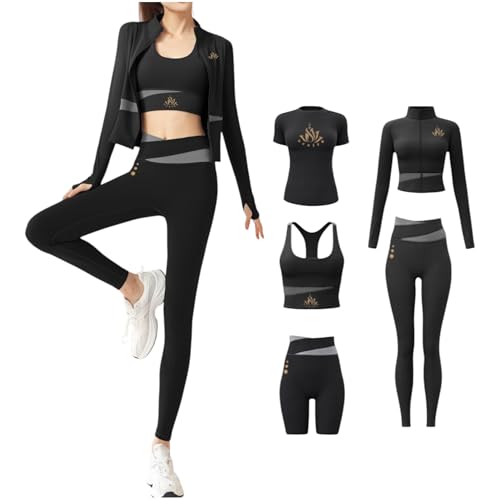
Seamless Sports Bra – A supportive, high-performance sports bra with breathable fabric and moisture-wicking technology, designed to provide maximum comfort and support during high-intensity workouts.

Constructed from 100% Alpaca Wool with a density of 420g/m2
Essential Compression Zones
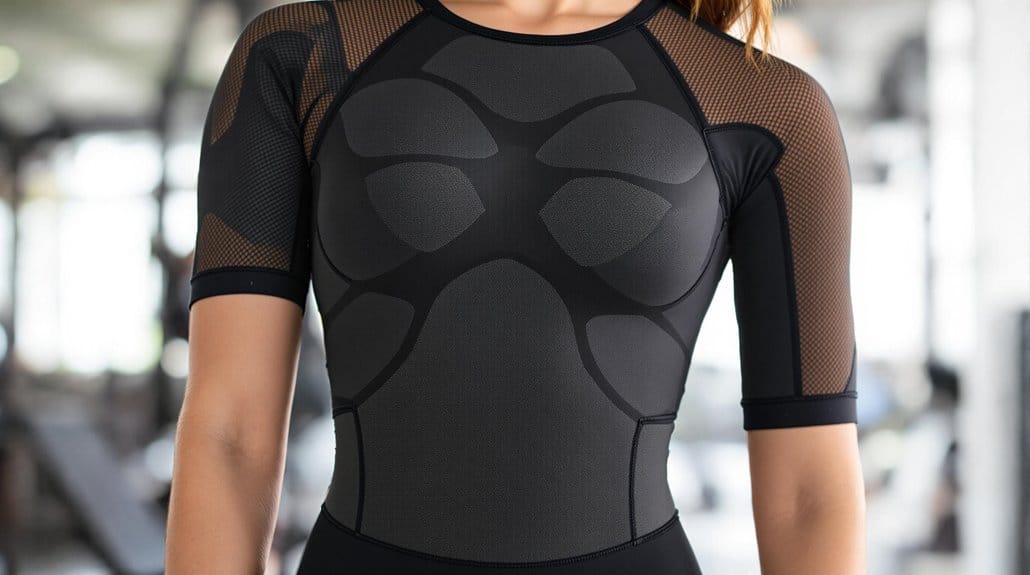
Understanding compression zones takes sports-specific clothing to the next level of performance. When you're selecting gym clothes, you'll want to pay special attention to how these zones work with your body's natural movements — think of them as your muscles' personal support system.
The most essential compression zones are found in three key areas:
- Thighs and calves – where targeted support helps prevent muscle fatigue during those leg-heavy workouts
- Core region – providing stability for better form and posture
- Extremities – featuring graduated compression that works like a gentle squeeze, pushing blood back toward your heart
You'll notice the best compression gear feels snug but not restrictive — it's not about squeezing yourself into submission! The strategic pressure points enhance your blood circulation and boost proprioception, which is fancy-speak for knowing where your body is in space (no more wobbling during those single-leg exercises).
The real magic happens in your recovery times. With proper compression zones in your gym clothes, you're likely to experience less muscle soreness after intense workouts. It's like giving your muscles a continuous, gentle massage while you train. Additionally, fabrics with 15-20% elastane provide ideal structure and flexibility, ensuring that your workout gear stays in place during dynamic movements.
Recommended Products

Kragg Cotton Pant: Technical four-way stretch cotton climbing pant
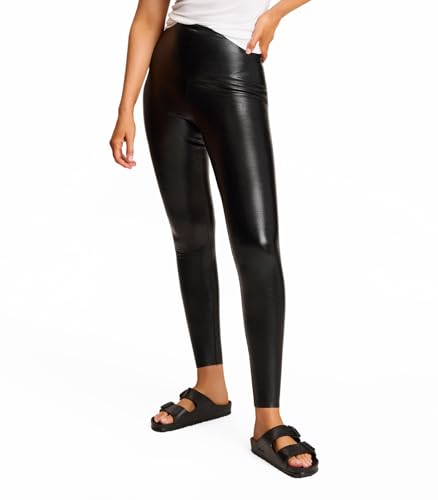
LUXE FAUX LEATHER: Commando’s faux leather fabric is soft but flexible with four-way stretch and recovery. And, even better, these faux leather leggings are machine washable.
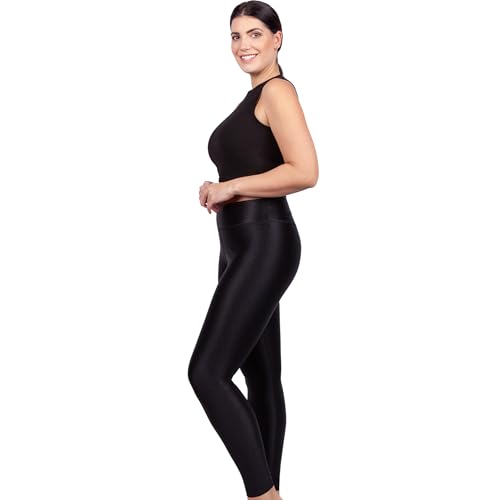
3D Micro Massaging Fabric for Circulation Support: LIPOELASTIC FLOW compression leggings for women feature a unique 3D-textured fabric that gently massages the skin, supports circulation, and helps eliminate water retention—ideal athletic leggings for women who value comfort and performance.
Common Fit Problem Areas
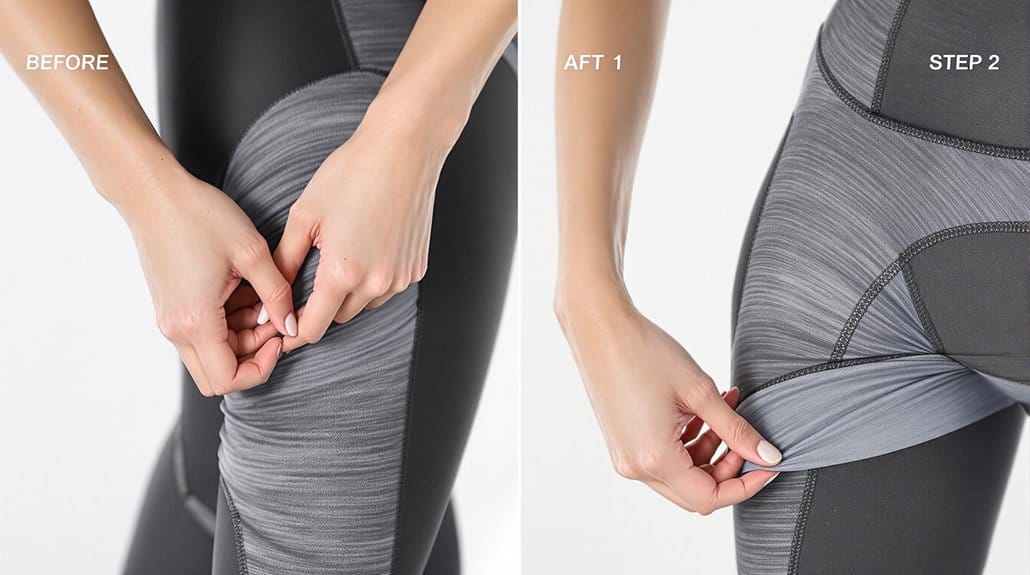
Finding gym clothes that fit perfectly can feel like solving a puzzle, especially when certain areas consistently cause trouble. Whether you're dealing with shoulder seams that don't quite align or waistbands that roll down mid-workout, these fit issues can seriously impact your exercise routine.
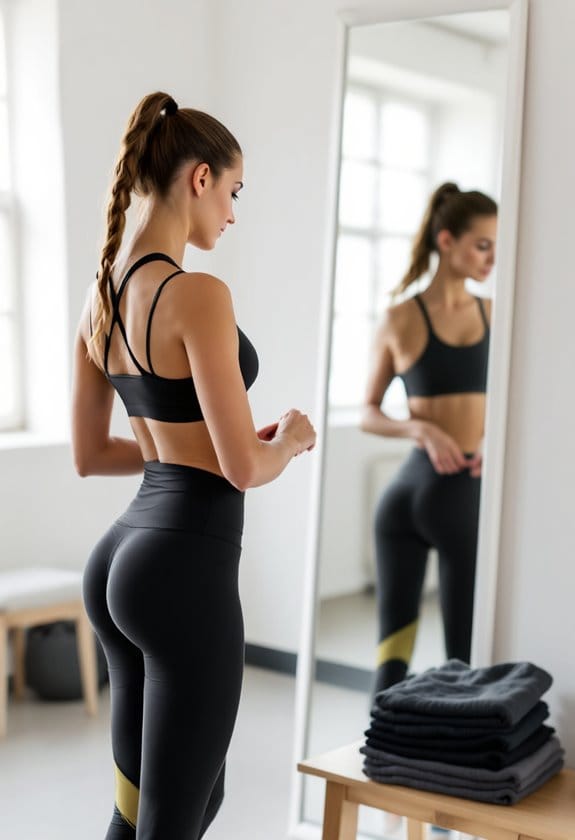
Let's tackle the most common problem areas in workout clothes. First, check your shoulder fit — those seams should sit right at your natural shoulder edge, not hanging off or pulling tight. For sports bras, you'll want to verify there's no spillage or gaps in the cups, while the band should feel snug but not restrictive. Pay attention to your waistband height, too — if you're pear-shaped, you might find high-waisted leggings more flattering and supportive.
When it comes to leg length, your moisture-wicking leggings shouldn't bunch up at the ankles or ride up during squats. The ultimate test for overall comfort and mobility is simple: try a few basic exercises in the fitting room. If you can't touch your toes or do a deep squat without feeling restricted, it's time to try a different size or style. Additionally, consider choosing fabrics with moisture-wicking properties to keep you comfortable during your workouts.
Recommended Products

★Warm Material:Women slim one piece ski suit is made of 80% nylon,20% spandex,filling: 90/10 duck down(30g),which is super warm and comfortable,effectively preventing the cold,making you enjoy outdoor skiing activities;

BUILT FOR COMFORT & PERFORMANCE: Whether you’re stretching, traveling, or lounging, the Lizzi Tavern Pant delivers the flexibility and comfort of your favorite womens yoga pants with the technical performance of premium merino wool leggings women trust. Designed for movement, this pant is ideal for everything from morning stretches to long-haul flights. It’s the do-everything choice among activewear leggings and wool layers women wear daily.
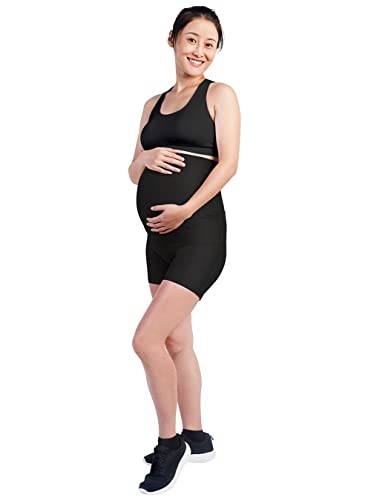
LOVED BY 100,000 MOTHERS WORLDWIDE - these maternity compression shorts have been 100+ wash tested and designed in consultation with an obstetrician and recommended by more women health professionals. These are so popular with women because they can assist with varicose veins, sciatic nerve pain, vulvar varicosities, symphysis pubis joint pain, S1 joint pain, abdominal muscle separation, diastasis rectus abdominus whilst offering a reduction in discomfort.
Layering Guidelines For Performance
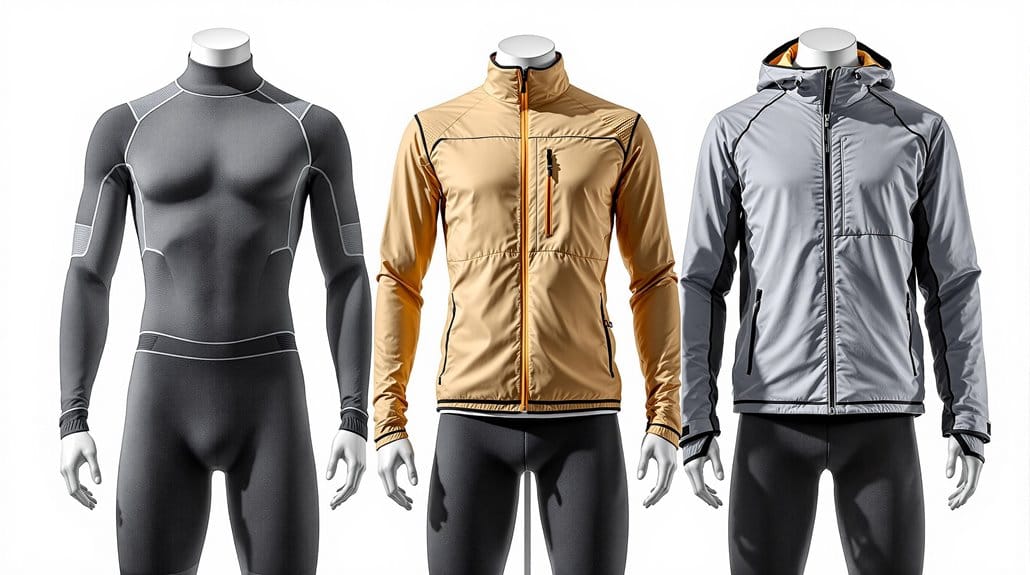
The art of layering workout clothes can make or break your exercise performance. When you're facing changing temperatures and varying workout intensity levels, proper layering becomes your secret weapon for maintaining comfort throughout your session.
Start with a moisture-wicking base layer that fits snugly against your skin — think of it as your personal sweat manager. You'll want materials like polyester or nylon that'll keep you dry while moving freely. Next, add an insulating mid-layer (when needed) that provides warmth without bulk — this is where breathability really matters.
Your outer layer should be weather-resistant but not restrictive. Here's how to nail the perfect layering system:
- Choose a base layer that feels like a second skin — not too tight, not too loose
- Guarantee your mid-layer allows full range of motion while maintaining warmth
- Pick an outer shell that's easy to remove when your workout intensity increases
Remember, you can always adjust your layers based on:
- Indoor vs. outdoor conditions
- Expected workout duration
- Activity type (yoga needs tighter fits, running prefers looser ones)
- Temperature changes during your session. Additionally, consider incorporating bamboo workout clothes into your layering system for their superior moisture-wicking properties and breathability.
Recommended Products

● Premium Fabric: Mr. Davis Tailored Cut men's bamboo viscose undershirts are made from a blend of 96% bamboo viscose and 4% spandex. This premium fabric is ultra-soft, stretchy, and more comfortable than any cotton shirt you've ever worn. The bamboo viscose material is also naturally moisture-wicking, helping to keep you cool and dry throughout the day.

ULTIMATE WICKING with 2-layer construction for superior moisture management and warmth

Overview: 1 Long Sleeve Men’s Thermal Base Layer; expertly designed for warmth and comfort during any activity.
Seasonal Fit Adjustments
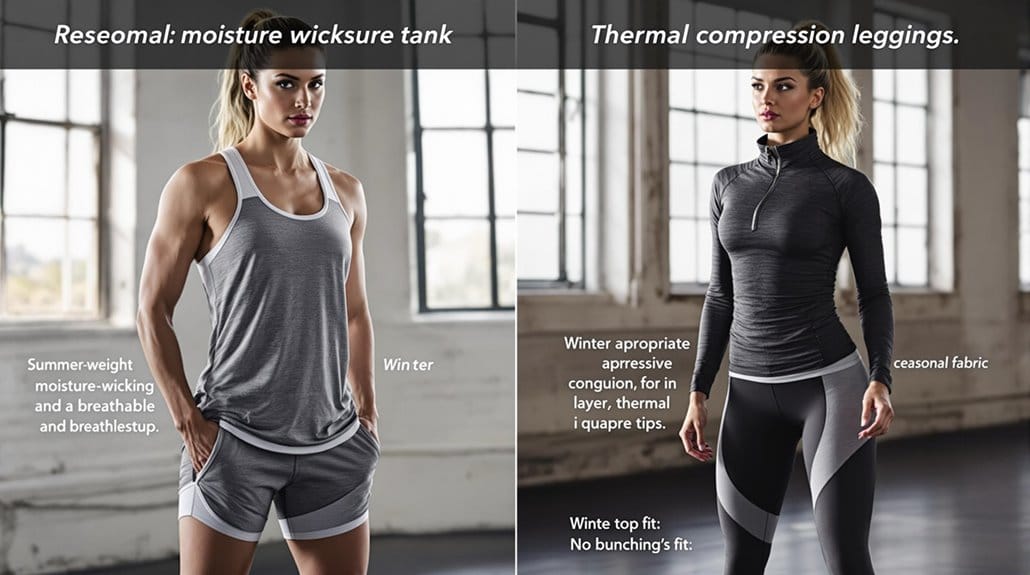
Seasonal changes demand smart adjustments to your gym attire for peak performance and comfort. You'll need to adapt your workout wardrobe throughout the year — just like you wouldn't wear a winter coat in July, your gym clothes should evolve too.
During winter months, focus on moisture-wicking base layers that keep sweat away from your skin while maintaining warmth. Add insulating layers — think fleece or thermal materials — when temperatures really drop. For effective sweat management, you're looking at fitted but not restrictive pieces that allow natural movement.
Summer calls for lightweight fabrics that prioritize ventilation. You'll want breathable materials like nylon-spandex blends — they're your best friends for those sweaty sessions. Don't forget UV protection in your warm-weather gear, especially if you're taking your workout outdoors.
For those tricky in-between seasons, master the art of layering. Start with a moisture-wicking foundation, add weather-resistant pieces as needed, and guarantee your outfit can adapt as temperatures shift. Remember, your comfort level directly impacts your performance — if you're fighting with your clothes, you're not focusing on your workout.
Recommended Products

100% PURE CASHMERE: Luxuriously soft, lightweight fabric offers natural thermal insulation for warmth without bulk, ideal for freezing temperatures

PERFORMANCE FIT THAT MOVES WITH YOU: Designed with an athletic cut, these mens t-shirts have an athletic fit with room to move. Our active men's t-shirts and mens tank top have a perfect fit for workouts or casual wear.

QUALITY EXPEDITION BASELAYER: 100% Merino Wool is super soft and extremely comfortable. This merino wool high rise thermal legging has the versatility and warmth to make this an essential part of your outdoor gear. ENVIRONMENTALLY FRIENDLY: The best in easy care technology means your merino wool is machine washable and dryable. Our 100% Merino Wool is a renewable fabric. Its moisture wicking properties means you won't have to wash it as often so you'll use even less water.
Frequently Asked Questions
How Should Gym Clothes Fit?
Your gym clothes should fit snugly yet comfortably, allowing flexibility while moving. Choose moisture-wicking fabrics that suit your body shape and activity type, ensuring proper layering options for different seasons and personal style preferences.
Should Gym Clothes Be Tight or Loose?
Studies show 65% of athletes mix both fits. You'll want breathable fabrics that match your body type and comfort level. Choose stretchy materials that enhance performance while allowing full movement range, based on your personal preference.
What Is the Gym Etiquette for Clothes?
You'll need to follow the gym's dress code, wear clean, moisture-wicking fabrics, and choose properly fitted clothes. Don't forget appropriate footwear, and avoid offensive graphics. Maintain good hygiene and dress for comfort.
How Do I Look Good in Gym Wear?
"Dress to impress, train to progress!" You'll look great by choosing flattering color combinations, quality moisture-wicking fabrics, and trendy layering techniques. Add motivational pieces and versatile accessories that match your personal style and workout needs.