As an Amazon Associate, we earn from qualifying purchases. Some links on this site are affiliate links at no extra cost to you. Our recommendations are based on thorough research and editorial judgment.

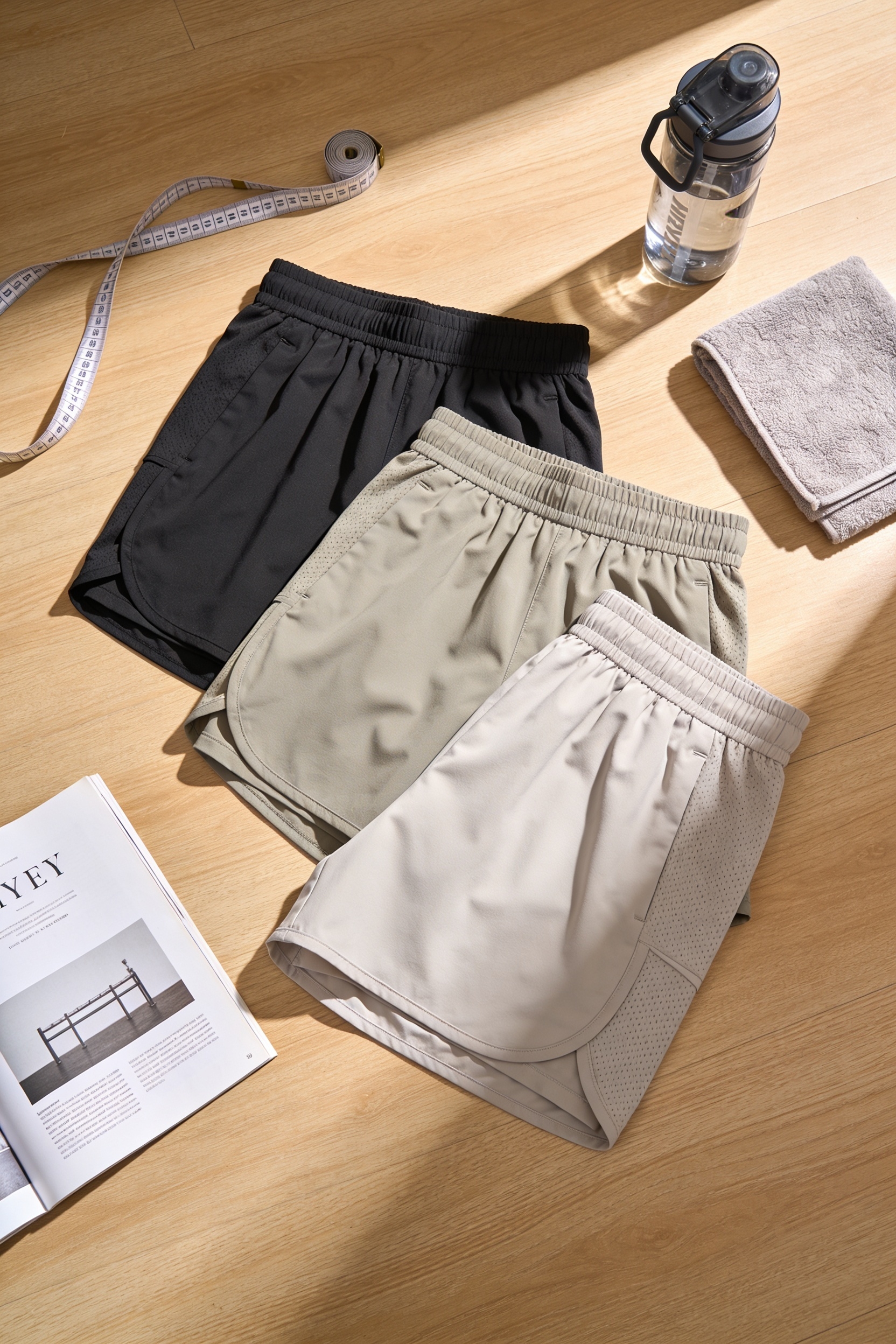
How to Choose the Perfect Gym Shorts Length

Look, I’m sure you’ve noticed that your perfect running shorts feel like you’re drowning in fabric when you deadlift. That’s because the right inseam isn’t one-size-fits-all—it’s about matching your height, body type, and what you’re actually doing. Under 5’8″? Go 3–5 inches. 5’9″–6’1″? The sweet spot’s around 7–9 inches. Over 6’2″? Don’t go below 9. But here’s the thing: running demands shorter lengths for breathability, while lifting needs that 7-inch range for coverage without fabric interference. Get the specifics on waistband construction and how to measure, and you’ll stop adjusting mid-set.
Key Takeaways
- Your height determines ideal inseam: under 5’8″ wear 3–5 inches; 5’9″–6’1″ wear 7–9 inches; over 6’2″ wear minimum 9 inches.
- Choose inseam based on primary activity: running needs 3–5 inches for breathability; strength training needs 5–7 inches for mobility.
- Shorter inseams reduce fabric friction and weight, improving running efficiency; longer inseams prevent exposure during lunges and heavy lifts.
- Measure inseam flat from crotch seam to hem, adding quarter-inch for allowance, and account for fabric elasticity in waistband.
- Prioritize construction features: hidden grips, reinforced panels, drawstring tension, and strategically placed seams prevent ride-up and maintain secure fit.
Find Your Ideal Inseam Based on Height
Now, here’s the thing about height and inseam length—I’m sure you’ve noticed that shorts which look perfect on your buddy who’s 5’10” can make you look like you’re wearing capris if you’re pushing 6’2″, and conversely, those same shorts might swallow a shorter person whole. That’s where inseam mapping comes in handy. If you’re under 5’8″, you’ll want to stick with shorter inseams—think 3 to 5 inches—to create that leg length illusion and maintain balanced height proportions. Between 5’9″ and 6’1″, you’re in the sweet spot where 7 to 9 inches works beautifully. Over 6’2″? Go for that 9-inch minimum. It’s basically physics meets fashion, and getting it right makes everything look intentional rather than accidental. Pairing your perfectly fitted shorts with high-waisted compression leggings or other supportive base layers can further enhance your overall silhouette and ensure your entire workout ensemble works cohesively with your proportions.
Match Inseam Length to Your Primary Activity
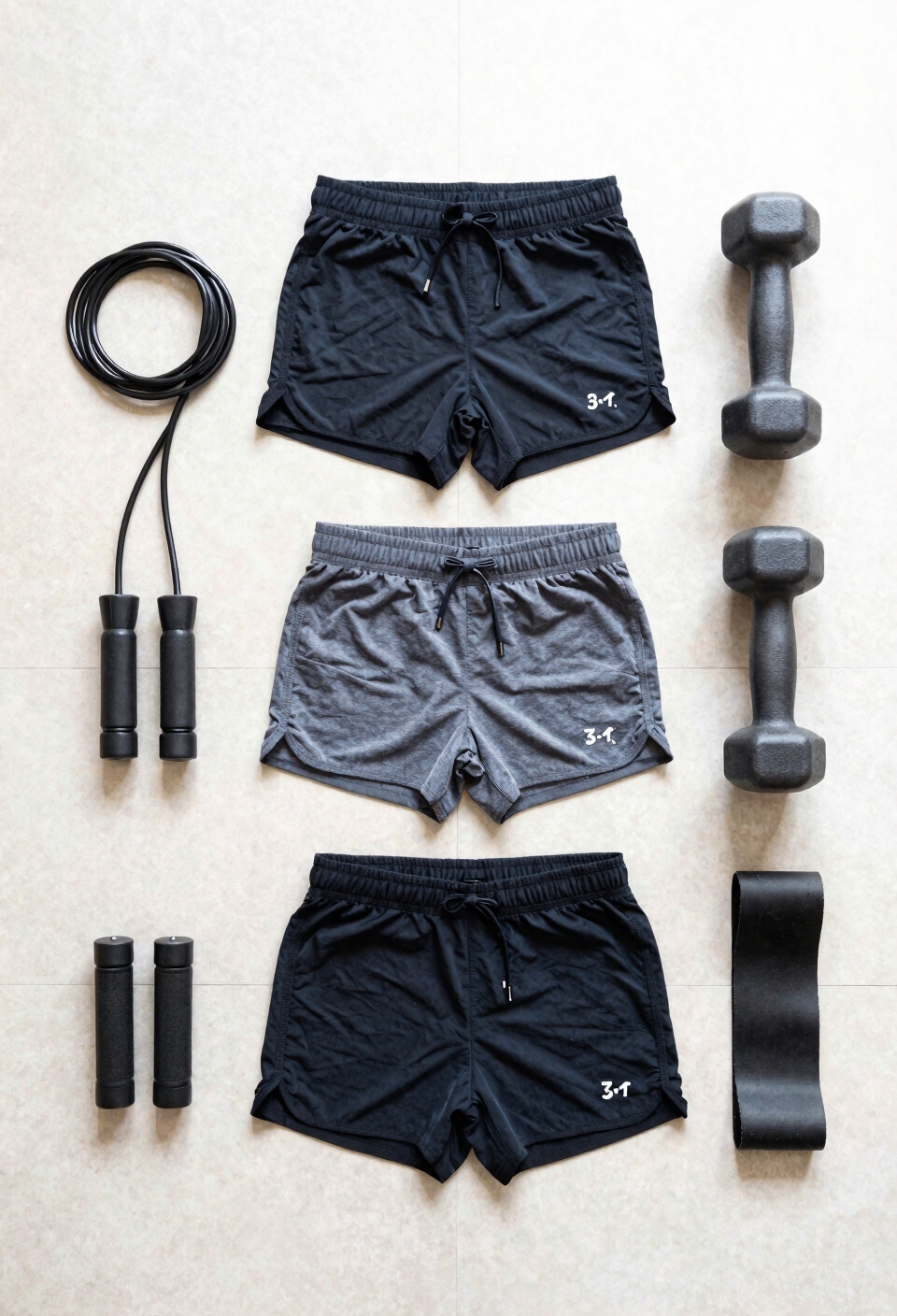
When you’re shopping for gym shorts, the activity you’re actually going to do in them matters way more than you’d think—because let’s face it, those 5-inch running shorts that make you feel like a sprinter are going to feel ridiculous when you’re deadlifting, and conversely, those longer biker-style inseams that give you solid coverage during squats will have you tripping over fabric on your morning runs. I’m sure you’ve noticed how different activities demand different moves. Runners need 3-5 inch inseams for breathability and freedom. Lifters want 5-7 inches to prevent fabric interference. Now, if you’re doing cross-training shifts between activities, moisture-wicking fabrics become essential—you’re bouncing between running and weightlifting, so you need shorts that handle both without fighting you. The point? Pick your primary activity first, then build flexibility around it.
Why Shorter Shorts Perform Better for Running
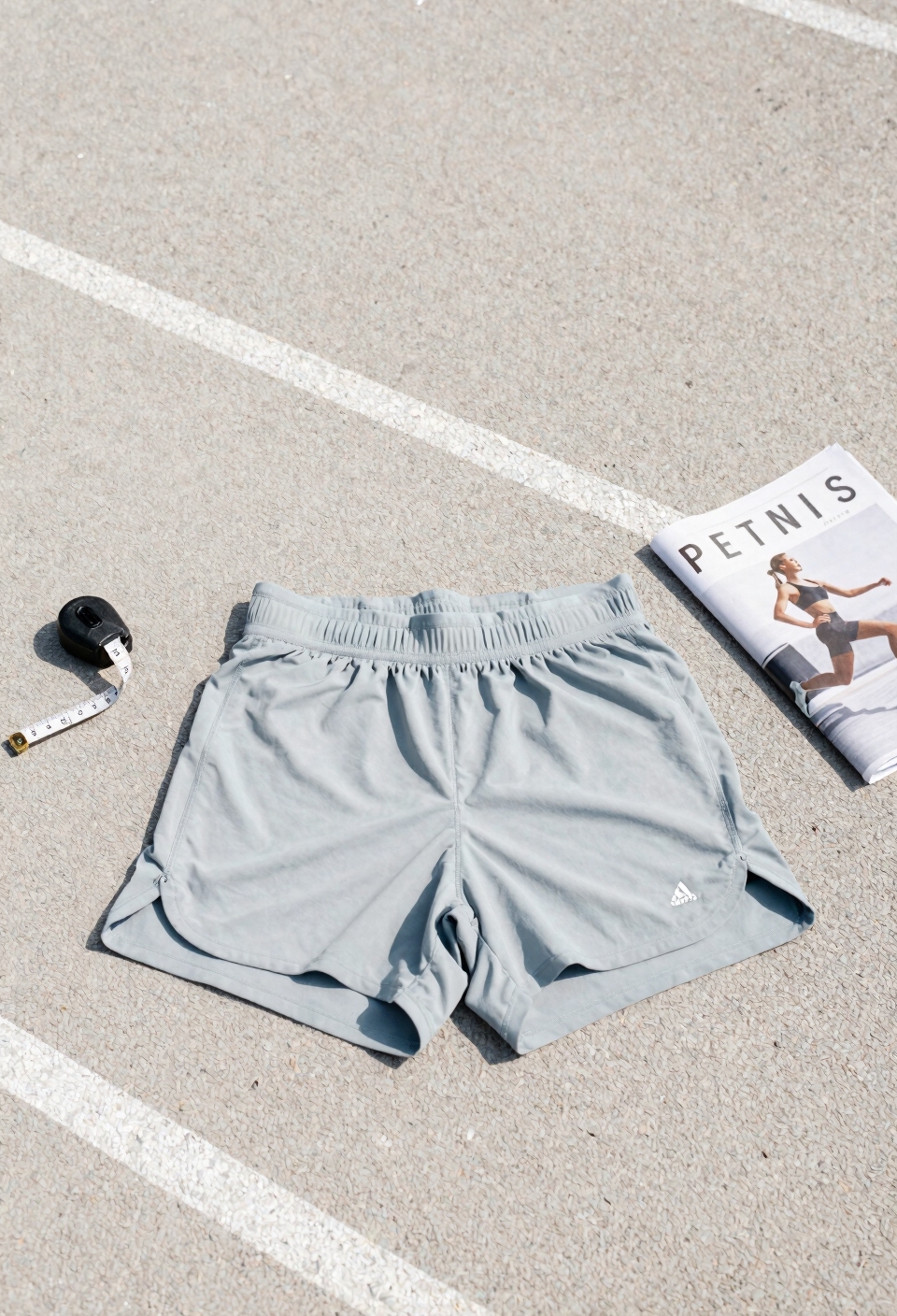
Because your legs are basically pistons when you’re running, shorter inseams—we’re talking 3-5 inches—let them fire without any fabric getting in the way. I’m sure you’ve noticed how those loose, flapping shorts feel like you’re dragging around extra weight with every stride. Shorter lengths eliminate that friction entirely, which means your short stride stays efficient and snappy. You’re not wrestling fabric on your thighs or dealing with that annoying ride-up situation mid-run. The reduced weight matters too—every ounce counts when you’re logging miles. Look for shorts with moisture-wicking materials to keep skin dry and prevent chafing during intense running sessions. Now, obviously this assumes you’re cool with showing a bit of leg, but honestly, once you go short for running, going back feels like wearing cargo pants. Your pace thanks you for it.
Coverage vs. Mobility: Why the 7-Inch Inseam Is the Sweet Spot
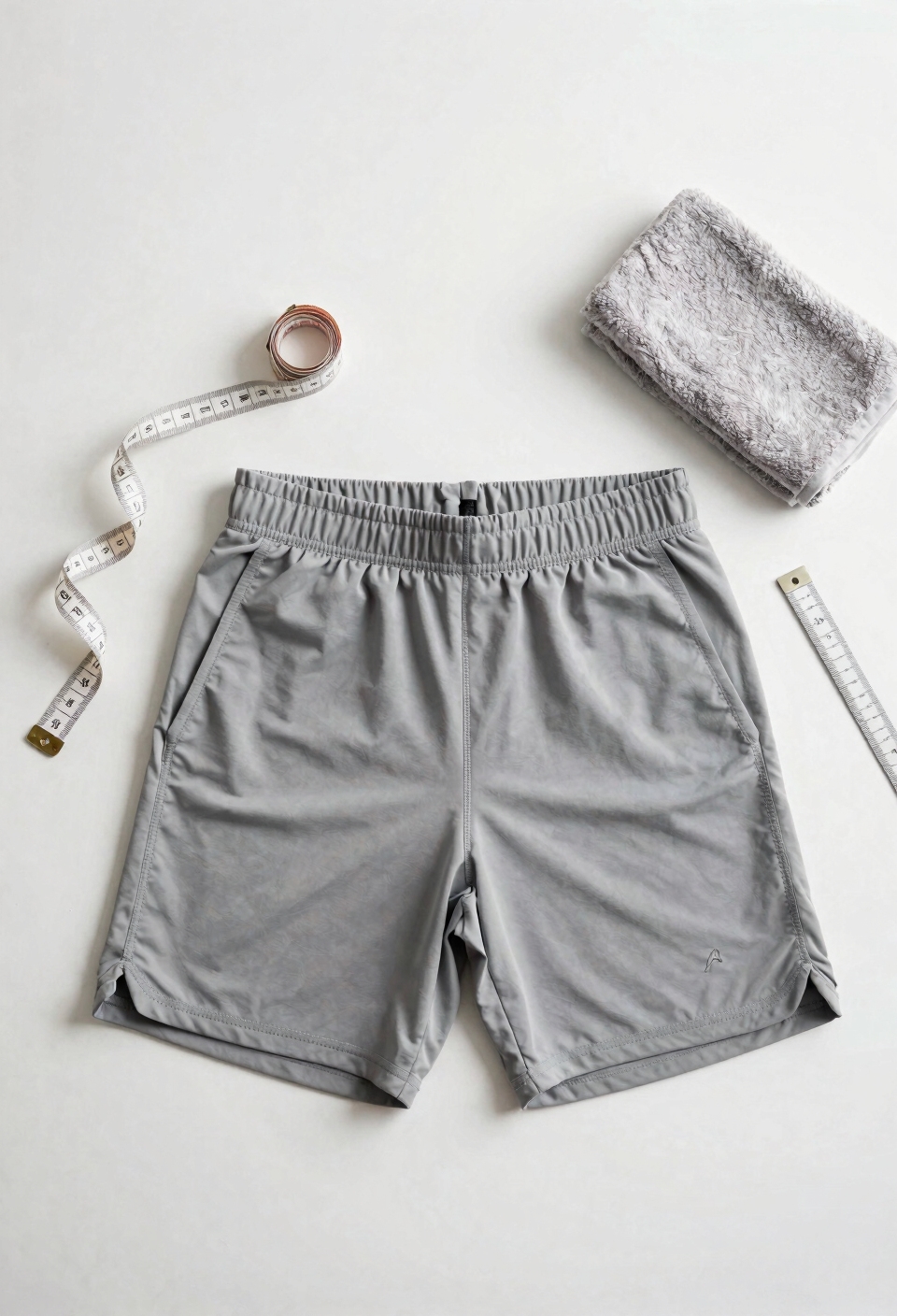
If you’ve ever squatted in shorts that felt like a vice grip around your thighs or sprinted in something so short you might as well be in underwear, you’ve probably figured out that gym shorts are all about finding that balance between not flashing everyone and actually being able to move.
The 7-inch inseam is where the magic happens. You’re getting legitimate coverage—your thighs stay covered during lunges and leg day doesn’t become an accidental exposure situation—while still maintaining the mobility you need. I’m sure you’ve noticed how breathable fabrics hit different when you’re not drowning in excess material, and that athletic aesthetics factor matters too. You look intentional, not like you raided someone’s dad jeans. Honestly, it’s the shorts equivalent of nailing your coffee order: everyone knows it works, and there’s a reason people keep coming back to it. For apple-shaped bodies specifically, longer inseams in plus-size shorts ensure comfort and unrestricted movement while providing the coverage needed for confident workouts.
Shorts for Strength Training and Lifting
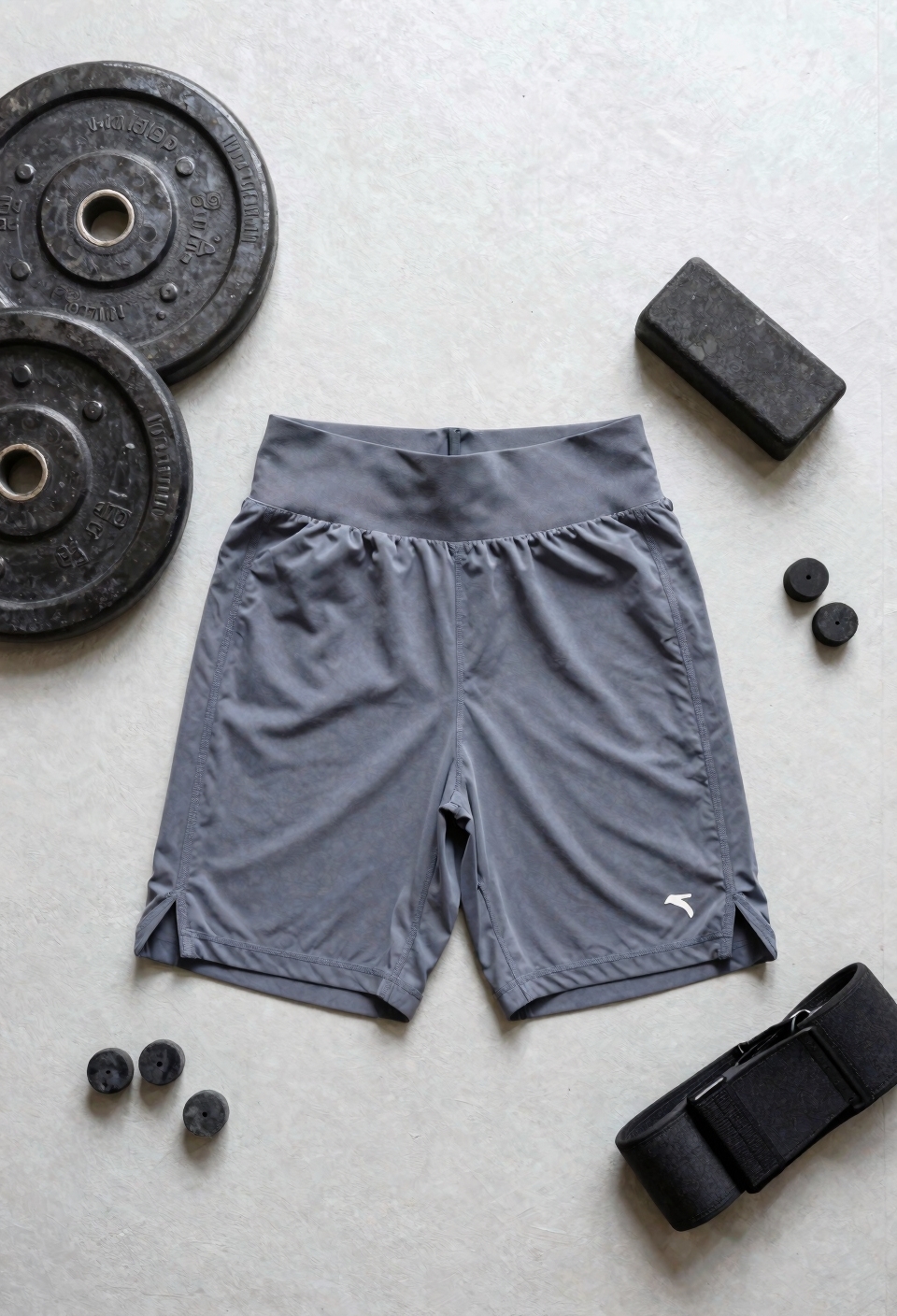
Now, here’s the thing about strength training—that 7-inch sweet spot we just talked about? It’s basically made for you. When you’re under a barbell or cranking out deadlifts, you need shorts that won’t ride up or bunch around your quads mid-rep. I’m sure you’ve noticed how shorter inseams can create fabric interference during heavy lifts, and longer ones restrict your range of motion like nobody’s business.
The 5 to 7-inch range gives you barbell compatibility without sacrificing gym etiquette. You’ve got enough coverage that you’re not flashing anyone during squats, but the fabric stays put and doesn’t fight your movements. Honestly, most lifters I know gravitate here because it just works—no fussing, no adjusting between sets, just shorts that know their lane. Look for shorts with adjustable-waist design and deep pockets to enhance both comfort and functionality during your lifting sessions.
How to Measure Your Shorts for the Perfect Fit
Grab your favorite pair of shorts—the ones that actually fit right—and let’s talk about taking measurements like you mean it. You’ll need basic measurement tools: a soft tape measure and ideally a ruler for checking hem allowances. Lay those shorts flat, then measure from your crotch seam straight down to the hem. That’s your inseam length, and honestly, it’s the most important number you’ll get. I’m sure you’ve noticed how frustrating it is when shorts ride differently depending on the brand, so don’t just eyeball it. Add a quarter-inch for hem allowances—manufacturers account for this, and you want that cushion. Now measure the waistband while the shorts lay flat too. Since bamboo fabrics offer four-way stretch for flexibility during exercises, you’ll want to account for this natural elasticity when taking your measurements to ensure your shorts move with you during workouts. Trust me, these simple measurements save you from ordering shorts that’ll sit weird during your next workout session.
Fix Common Fit Problems That Kill Comfort
Once you’ve got your measurements locked down, you’ll probably discover that fit problems aren’t always about the inseam—they’re usually about everything else conspiring against you. I’m sure you’ve noticed how elastic failure can completely tank a pair that looked perfect on the hanger. Then there’s lining bunching, which rides up like it’s got a mind of its own, or hem flare that makes your shorts look like bell-bottoms from a distance. The crotch seam positioning matters way more than most people admit—sit it too high and you’re fighting discomfort all day. Sometimes you need to adjust crotch placement by sizing up or trying different brands entirely. Look for shorts with 15-20% elastane content to ensure proper structure and flexibility during movement. It’s aggravating, honestly, but once you nail it, you’ll wonder why you ever suffered through poorly fitting shorts.
Waistbands and Seams: How Fabric Details Prevent Riding Up
The real culprit behind those shorts that ride up faster than you can say “wedgie” isn’t always the inseam—it’s the waistband and seam construction doing their best impression of a betrayal. I’m sure you’ve noticed how some shorts stay put while others creep northward like they’re auditioning for a comedy special. That’s where hidden grips and panel reinforcement come in. A quality waistband with drawstring tension keeps things locked down, while strategically placed seams prevent that annoying ride-up during squats and lunges. Think of panel reinforcement as your shorts’ bodyguard—it distributes movement pressure evenly so you’re not constantly adjusting yourself mid-set. Now, elastic waistbands alone won’t cut it; you need that combination working together like a well-oiled machine to actually stay comfortable. Premium workout shorts incorporate non-slip grip technology similar to what you’ll find in top athletic brands, ensuring your waistband remains secure throughout intense exercise sessions.
Petite Frames, Tall Athletes, and Rotating Lengths: Advanced Selection Strategies
Beyond the waistband construction we’ve talked about, here’s where things get genuinely personalized: your actual body type and how you plan to use these shorts can totally reshape what length makes sense for you. I’m sure you’ve noticed how the same inseam can look completely different on different frames—petite athletes genuinely need shorter lengths to avoid drowning, while taller folks rock 7-9 inches without looking ridiculous. Now, here’s my actual move: seasonal rotation and layered styling. I keep 5-inch shorts for summer running, then rotate into 7-inch options when I’m hitting weights harder in winter. Obviously, you’re not buying entirely new wardrobes, but having that flexibility means you’re never compromising performance or comfort based on arbitrary length choices. For those prioritizing coverage during workouts, consider how moisture-wicking fabrics enhance both comfort and the visual appeal of your chosen length across different seasonal conditions.
Frequently Asked Questions
What Inseam Length Works Best for HIIT Workouts and Hot Yoga Classes?
I’d recommend 3-5 inch inseams for HIIT and hot yoga. They’ll minimize riding up during dynamic movements while high sweat fabrics with breathable liners keep you comfortable. You’ll get maximum mobility without fabric restriction during intense sessions.
How Do Laser-Cut Edges Improve Performance Compared to Traditional Hemmed Shorts?
Like a second skin, laser-cut edges work magic during intense workouts. I’ve found they minimize friction on jumps while maximizing fabric ventilation through laser-cut precision, letting you move freely without chafing concerns slowing you down.
Can I Wear 9-11 Inch Inseams for Casual Rest Days and Lounging?
Yes, I’d recommend 9-11 inch inseams for your comfy lounge days. They’re perfect for rest days since their relaxed fit and maximum coverage provide comfort without restrictive movement, making them ideal for casual lounging and walking.
What’s the Difference Between Elastic Waistbands and Drawstrings for Inversions?
I’ll be brutally honest: elastic waistbands are practically glued to you, offering maximum waistband stability during inversions, while drawstrings give you flexibility to adjust fit on the fly. Choose elastic vs. drawstring based on your inversion intensity.
Should Petite Athletes Avoid Longer Inseams to Prevent an Overwhelmed Appearance?
Yes, you should avoid longer inseams for petite styling. They’ll overwhelm your frame and throw off your proportions. I’d recommend sticking with 3-5 inch lengths to create a flattering leg length illusion instead.
Conclusion
Look, you’ve got your inseam dialed in, you know what activity demands what length, and you’re hip to the fabric game—that’s honestly most of the battle right there. I’m sure you’ve noticed that the perfect shorts are like the perfect relationship: they require a little trial and error, some honest self-assessment, and the willingness to admit when something’s just not working. Now get out there and stop chafing.