As an Amazon Associate, we earn from qualifying purchases. Some links on this site are affiliate links at no extra cost to you. Our recommendations are based on thorough research and editorial judgment.

How to Find Your Perfect Workout Clothes Fit

Look, you’ve probably noticed your shirt riding up or leggings sliding down mid-workout—that’s not bad luck, that’s bad fit. Here’s the thing: grab a tailor tape and measure twice because size labels are basically fiction. Match your body shape to styles that actually work for you, then hunt down moisture-wicking polyester blends instead of cotton that’ll cling like it’s personally offended. Pick activity-specific cuts—tight for yoga, protective length for lifting—and actually test everything with jumping jacks before committing. Once you nail these fundamentals, everything else clicks into place.
Key Takeaways
- Measure chest, waist, and inseam twice with a tailor tape while standing upright, then compare against brand sizing charts.
- Match clothing type to your activity level—tight/stretchy for yoga, protective length for strength training, high-impact support for cardio.
- Choose moisture-wicking polyester-elastane blends with antimicrobial properties over cotton to prevent sweat cling and odor buildup.
- Perform movement tests including jumping jacks, squats, overhead reaches, and torso rotations to ensure unrestricted movement and stability.
- Select dark colors and patterns that conceal sweat marks while maintaining shape and comfort during intense workouts.
Get Your Measurements Right
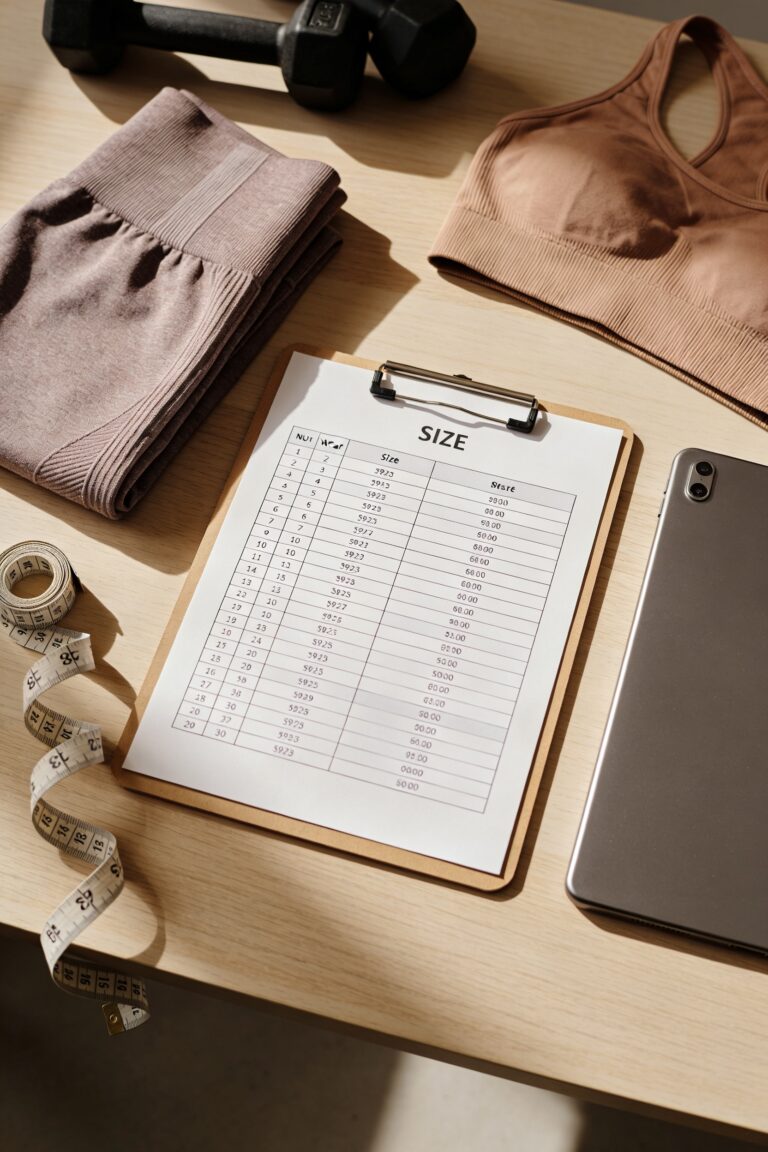
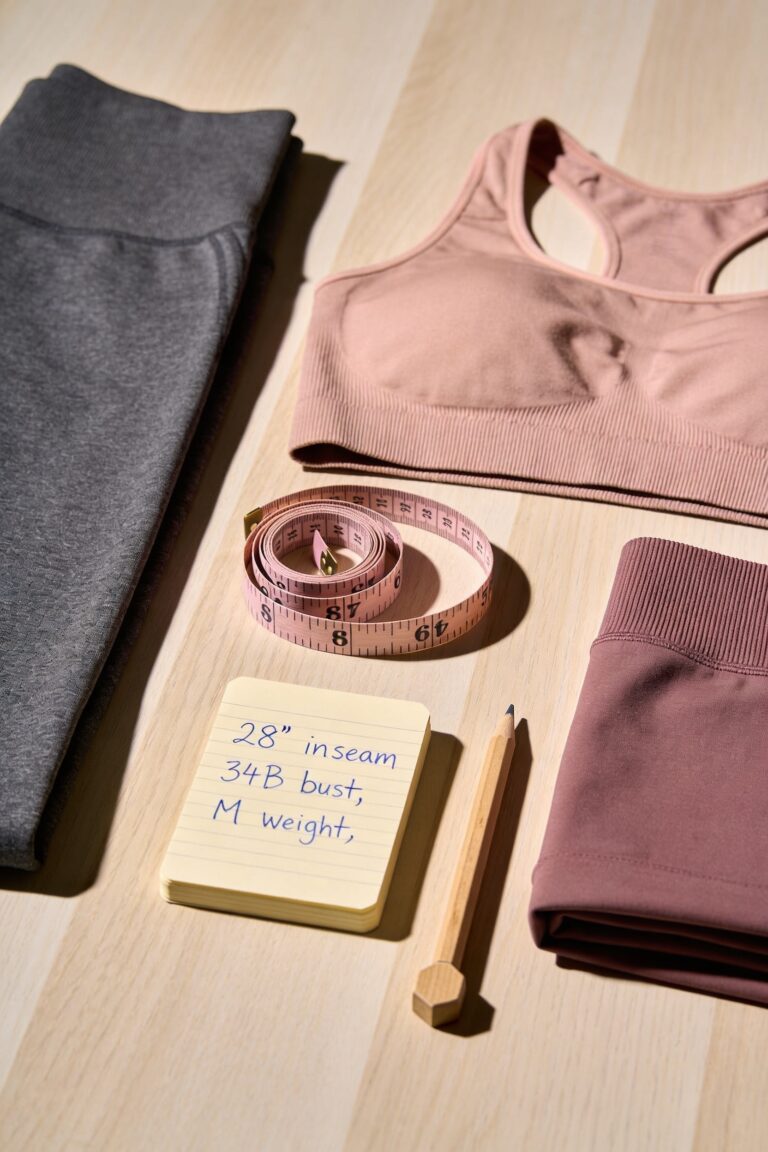
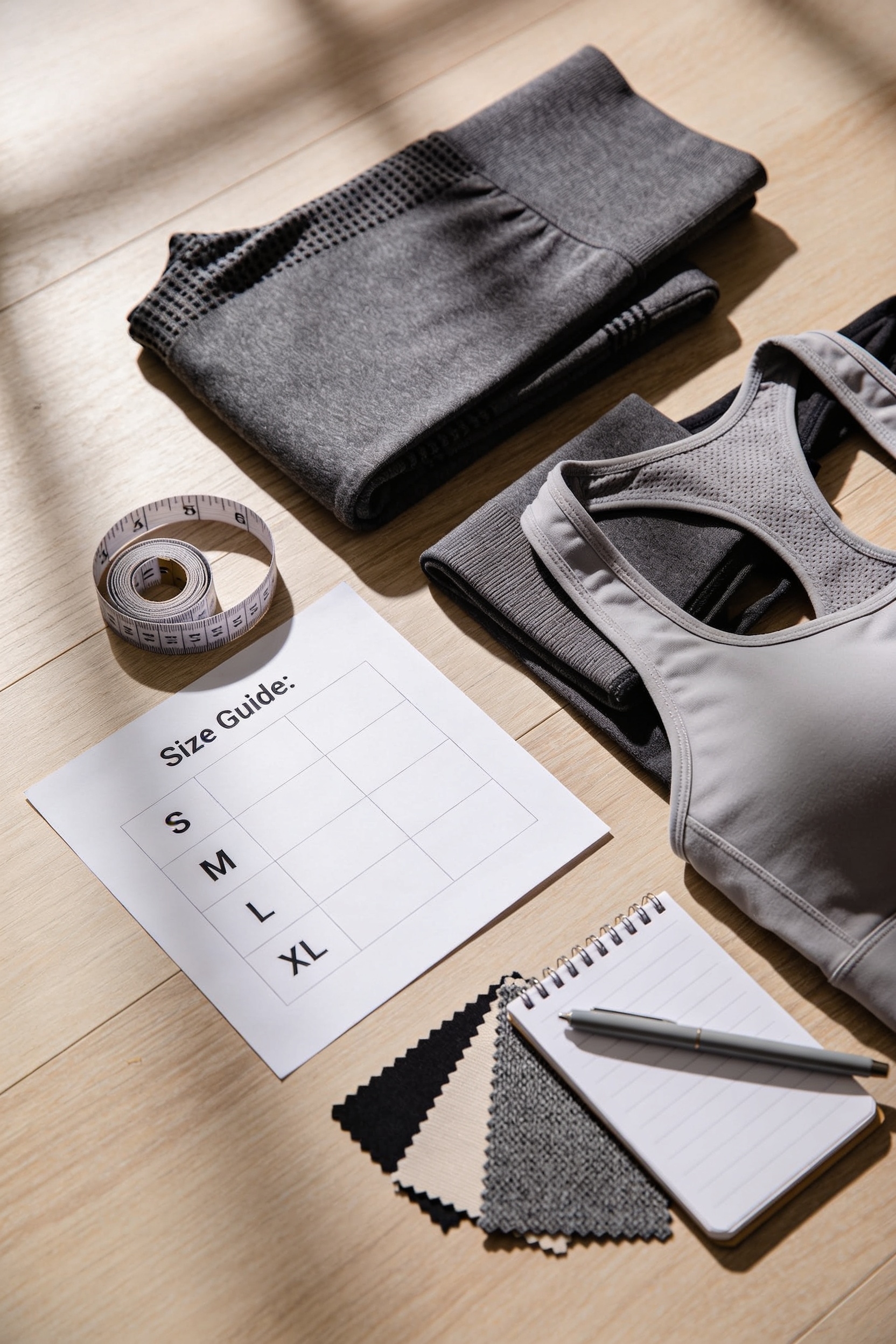
Look, I’m sure you’ve noticed that sizes are basically meaningless—what fits you perfectly at one brand leaves you looking like you’re wearing a tent at another, and I mean that literally. That’s why you need a tailor tape and honest measurements before you buy anything.
I grab mine and measure my chest, waist, and inseam while standing with proper posture alignment—no hunching or puffing out like you’re auditioning for a superhero movie. Now, I’ll admit I’m never 100% certain I’m doing it exactly right, but close enough works.
The key is checking those numbers against actual brand sizing charts instead of guessing. I mean, we’ve all grabbed what we thought was our size and been hilariously wrong. Don’t be that person. Measure twice, buy once. For apple-shaped bodies specifically, pay special attention to high-waisted designs since they provide targeted compression for the midsection and help create a more balanced silhouette.
Recommended Products

Full Lower Body Support: CW-X EXO-WEB technology delivers targeted support to hips, quads, hamstrings, knees, calves, lower back, and pelvis to help improve alignment, stability, and control during high intensity movement.
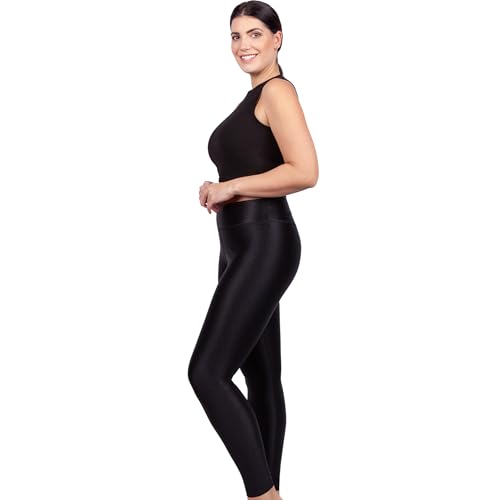
3D Micro Massaging Fabric for Circulation Support: LIPOELASTIC FLOW compression leggings for women feature a unique 3D-textured fabric that gently massages the skin, supports circulation, and helps eliminate water retention—ideal athletic leggings for women who value comfort and performance.

Features a 2-way stretch EXO-WEB panel that delivers optimal targeted support to key areas like the knees, hips, lower back, and pelvis, enhancing stability and reducing strain.
Understand Your Body Shape and Activity Type
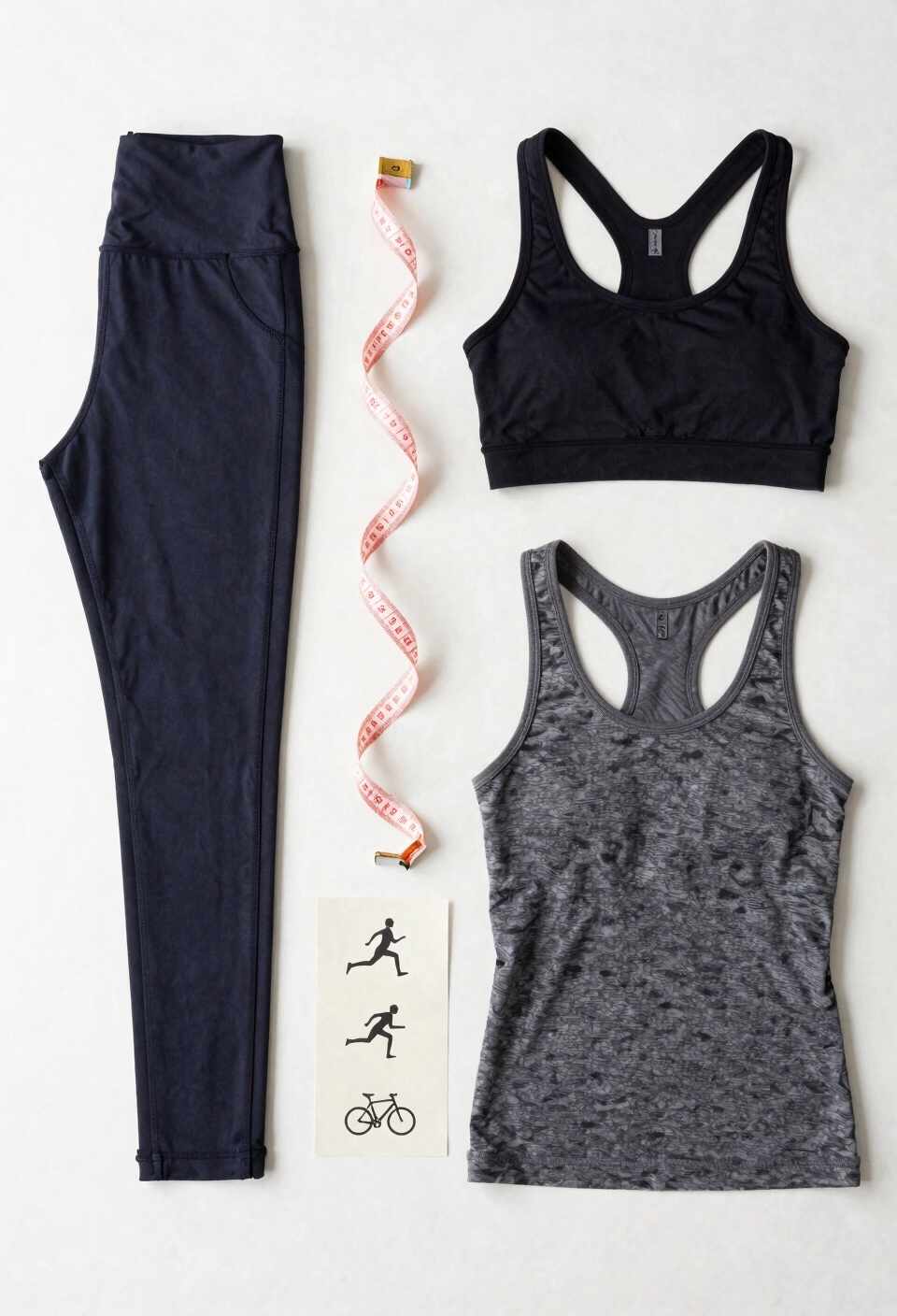
Now that you’ve got your actual measurements down, here’s the thing—knowing you’re a medium doesn’t mean squat if you don’t understand how your body’s actually shaped and what you’re actually going to do in those clothes. I’m sure you’ve noticed that proportional styling matters way more than size tags suggest. Your body shape determines what actually works—fitted through your curves if you’re an hourglass, balanced proportions if you’re rectangular, that kind of thing. Then there’s your activity. Yoga demands something totally different from strength training, and seasonal adaptation plays a huge role too. Winter running means different fabric than summer cycling. For apple body shapes specifically, high-waisted compression leggings provide the support and smoothing you need to feel confident during any workout. Figure out your actual shape and your actual plans, and suddenly those measurements transform into real guidance instead of just random numbers.
Choose Breathable, Moisture-Wicking Fabrics
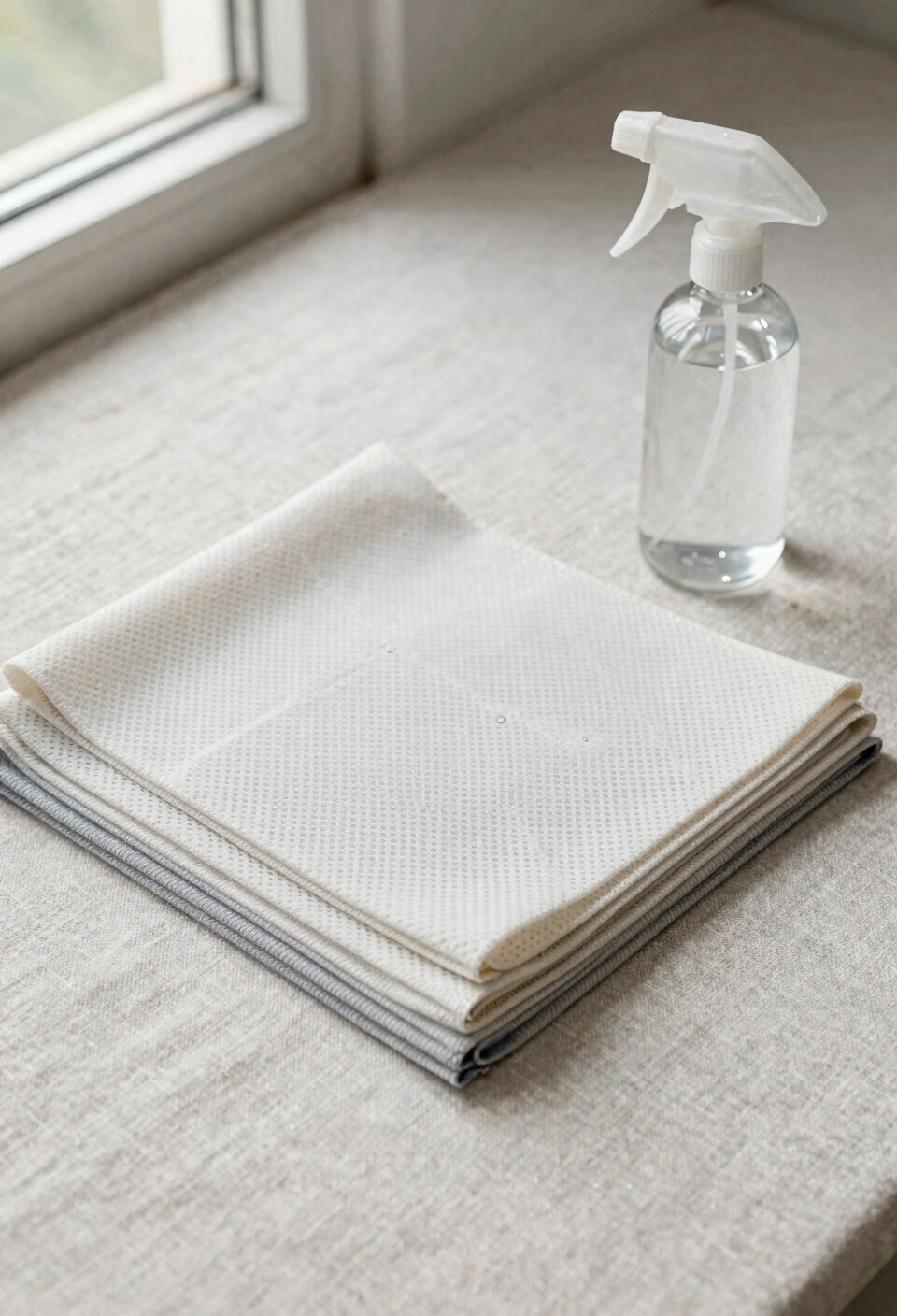
Most people grab whatever shirt’s on top of the pile and head to the gym, which is basically asking your sweat glands to work twice as hard for half the benefit. I’m sure you’ve noticed how cotton clings to your skin like a needy ex-girlfriend, right? That’s where moisture-wicking fabrics come in. You want polyester-elastane blends that actually pull sweat away from your body instead of soaking it up. Think of it like moisture barriers keeping you dry while temperature regulation keeps you from overheating.
Now, I mean, avoid cotton alone—seriously, it’s basically a sweat sponge. Dark colors and patterns? They’re your friends for hiding the inevitable wet spots. Antimicrobial properties aren’t just marketing fluff either; they genuinely reduce odor. You’ll notice the difference immediately, trust me. Look for fabrics with SweatSeal technology that feature patented silicone channels designed to effectively channel sweat away from your face and body during intense workouts.
Recommended Products

144 Pack, ships in a carton with 24 six packs

72 Pack, ships in a carton with 12 six packs

UA Storm technology repels water without sacrificing breathability Wind-resistant bonded construction for lightweight protection Translucent bonded mesh membrane upper panel is light, stretchy, breathable & water resistant Cotton-faced lower panel is soft, stretchy, breathable & water resistant Built-in bill hood construction for added rain & sun protection Secure zip chest pockets Cuffs have a bonded face for a clean finish
Match Shirt, Bra, and Bottom Fits to Your Activity
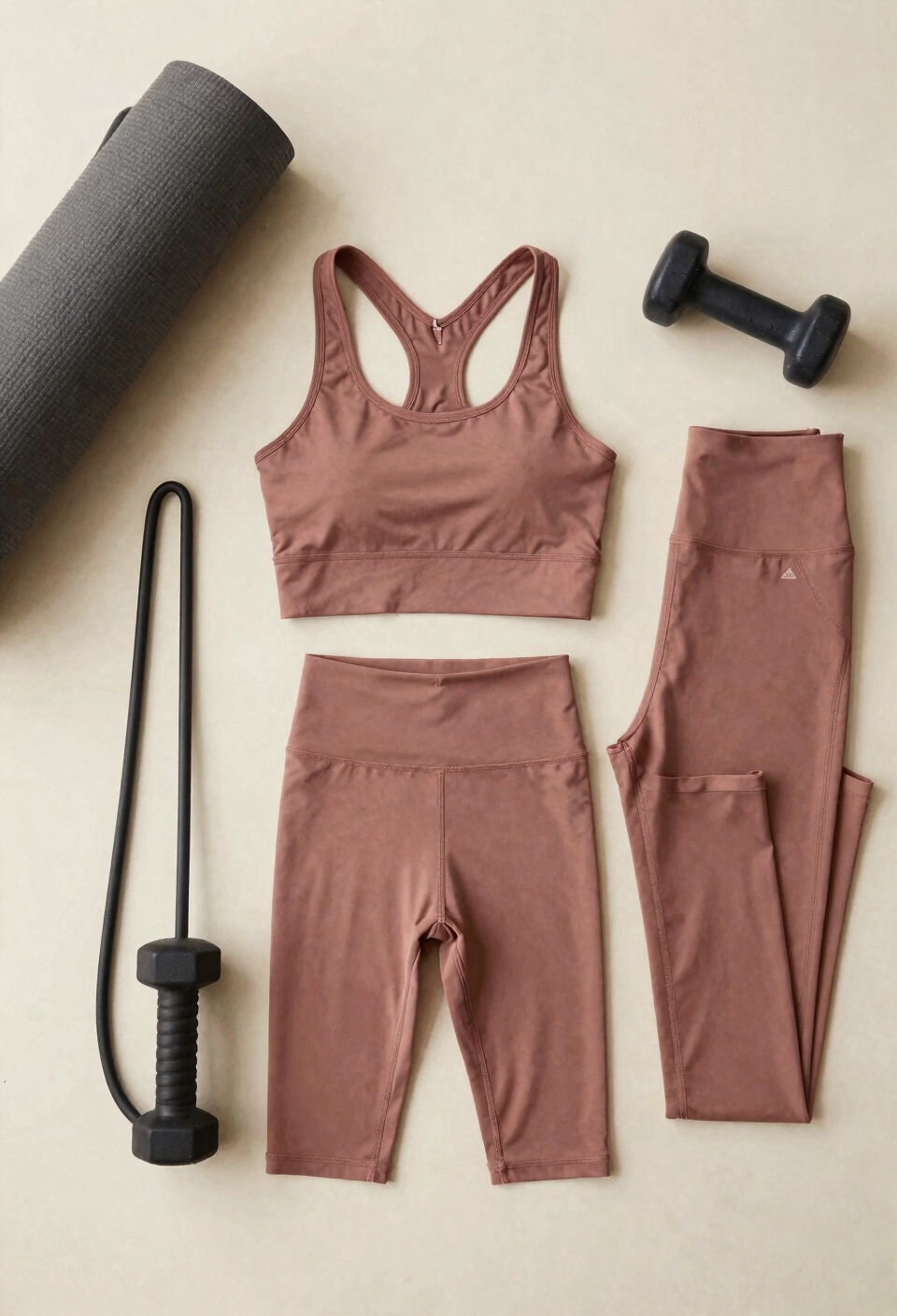
You can have the moisture-wicking shirt of your dreams, but if you’re wearing yoga pants to deadlift or a sports bra built for pilates when you’re doing high-impact sprints, you’re basically self-sabotaging. Now, I’m sure you’ve noticed how different activities demand different fits. Yoga needs tight, stretchy gear to prevent fabric from flopping around during inversions. Strength training? You want longer bottoms protecting your shins during deadlifts. Running calls for breathable tees managing sweat and hair simultaneously. High-quality materials like four-way stretch fabrics with moisture-wicking properties ensure your clothes stay in place regardless of your activity intensity.
Your layering strategy matters too—stack pieces that work together rather than fighting each other. Color coordination isn’t just vanity; darker fabrics hide sweat stains better, which frankly helps your confidence when you’re grinding through reps. Match your outfit to your workout, not the other way around.
Recommended Products

100% PURE CASHMERE: Luxuriously soft, lightweight fabric offers natural thermal insulation for warmth without bulk, ideal for freezing temperatures

Your Go-To Leggings | Made from Woolly's premium flex merino for luxuriously soft, breathable, and naturally stretchy feel. Designed to move with you, they offer all-day anywhere comfort for lounging, layering, or getting active. Available in a classic cut and 7/8th length with pockets for everyday ease or a vented MerinoAire upgrade for peak performance.

Multi-Use: Versatile high performance designs for diverse activities and conditions.
Test Your Workout Fit for Comfort and Movement
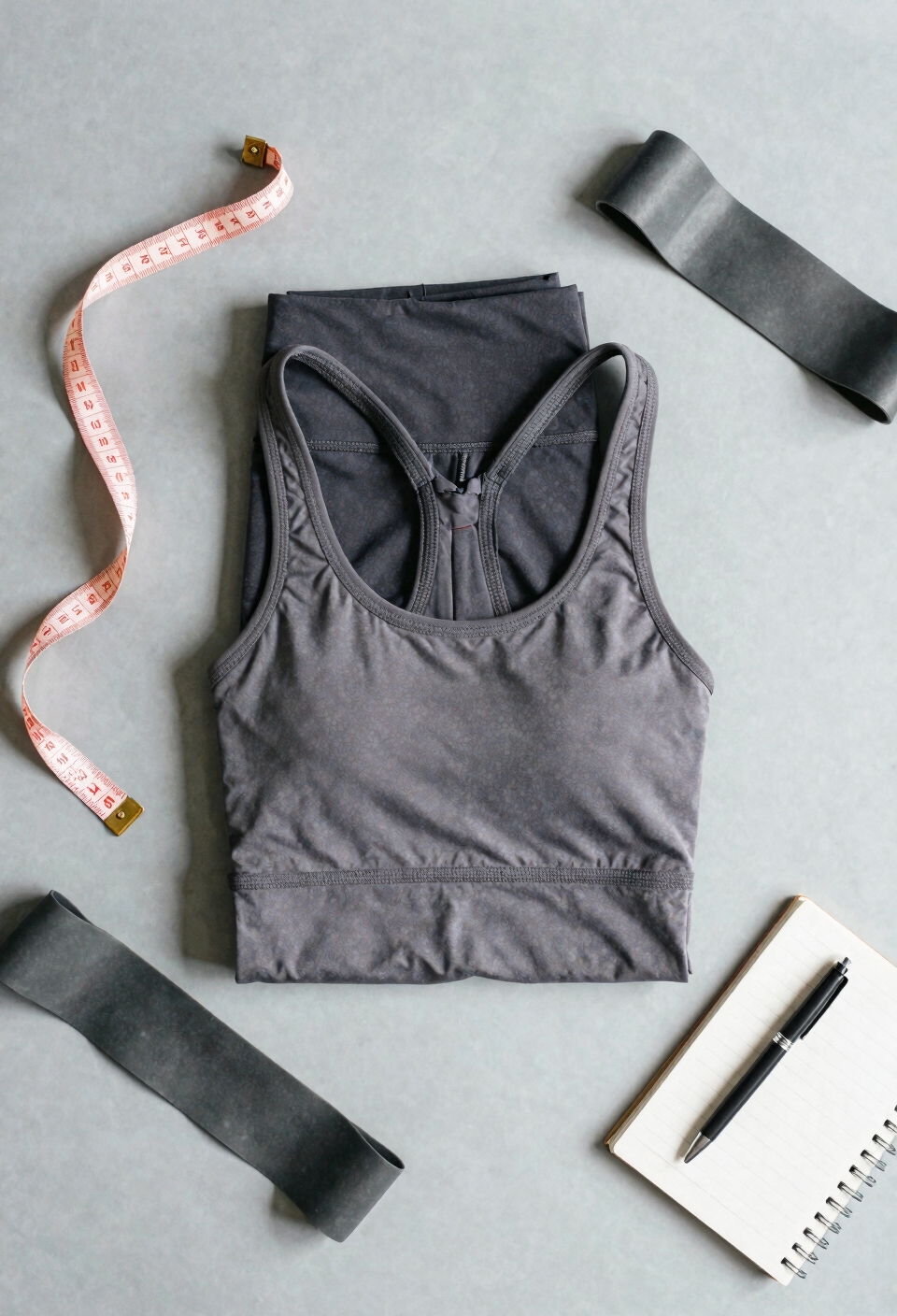
Once you’ve got the gear picked out, the real test starts—and I’m not talking about just looking in the mirror, though that’s part of it. You need to actually move in these clothes, run some mobility drills, and put yourself through range testing that mimics what you’ll actually do. I’m sure you’ve noticed how something feels fine standing still but suddenly binds when you squat or reach overhead. Do a few jumping jacks, touch your toes, rotate your torso. Can you breathe? Does anything pinch or slide around like it’s got a mind of its own? All right, now move harder. Those are your real answers. Comfort matters, but unrestricted movement? That’s non-negotiable. Pay special attention to whether moisture-wicking fabrics maintain their shape and comfort during your intense workout movements, as this directly impacts how well your clothes will perform during actual exercise.
Recommended Products

✿ Premium 4-Way Stretch Performance Fabric: High-quality nylon spandex blend designed for superior flexibility, durability, and long-lasting elasticity. Moves effortlessly with the body, making it perfect for fitted garments and high-movement apparel.

BUILT FOR COMFORT & PERFORMANCE: Whether you’re stretching, traveling, or lounging, the Lizzi Tavern Pant delivers the flexibility and comfort of your favorite womens yoga pants with the technical performance of premium merino wool leggings women trust. Designed for movement, this pant is ideal for everything from morning stretches to long-haul flights. It’s the do-everything choice among activewear leggings and wool layers women wear daily.

Konseal Pant: Lightweight, abrasion-resistant climbing pant
Spot Fit Mistakes That Kill Performance
Even though you’ve nailed the comfort test and everything feels good in the fitting room, I’ve seen plenty of people sabotage their entire workout with one or two sneaky fit mistakes that don’t show up until you’re already halfway through your session. Too tight sleeves restrict your range of motion during pressing movements—I’m sure you’ve noticed that pinching feeling that makes you compensate awkwardly. Loose hems catch on equipment or flap around annoyingly during cardio, creating this weird distraction that throws off your rhythm. Now, baggy shirts seem harmless until they snag on a weight machine or tangle during shifts. Reinforced seams and proper fit are essential for maintaining durability and performance during demanding exercises. The key? Your clothes should move with you, not against you or independently of you.
Recommended Products

Case contains 24 hooded sweatshirts total

Size medium has a 27" body length, an 18½" shoulder, a 44½" chest, and a 35" sleeve length. Sleeve length is taken from the center back of the neck and changes 1" between sizes. Long sleeves with ribbed cuffs.

● Premium Fabric: Mr. Davis Tailored Cut men's bamboo viscose undershirts are made from a blend of 96% bamboo viscose and 4% spandex. This premium fabric is ultra-soft, stretchy, and more comfortable than any cotton shirt you've ever worn. The bamboo viscose material is also naturally moisture-wicking, helping to keep you cool and dry throughout the day.
Frequently Asked Questions
How Often Should I Replace My Workout Clothes for Optimal Performance and Hygiene?
I’d recommend replacing your workout clothes every 1-2 years, depending on frequency and odor management. Like worn athletic shoes losing cushioning, fabrics deteriorate. Follow a replacement schedule based on your replacement schedule intensity and antimicrobial fabric performance declining over time.
What’s the Best Way to Care for Moisture-Wicking Fabrics to Maintain Their Effectiveness?
I’d recommend you wash gently in cold water with mild detergent, avoiding heat and fabric softeners that damage moisture-wicking properties. Hang dry your gear—it’ll preserve the fabric’s breathability and keep you performing at your best.
Can I Wear Regular Cotton Clothes for Workouts, or Is It Really That Important?
I wouldn’t recommend regular cotton for workouts. Cotton’s main limitation is it absorbs sweat rather than wicking it away, leaving you wet and uncomfortable. Moisture-wicking fabrics keep you dry and perform better during exercise.
How Should Sports Bra Straps Be Adjusted for Different Shoulder Widths and Body Types?
I’d recommend adjusting your straps so they sit snugly without digging in. Wider strap width works best for broader shoulders, while narrower straps suit petite frames. An adjustable racerback option lets you customize the fit perfectly for your body type.
What’s the Difference Between Compression and Loose-Fit Tops for Various Workout Intensities?
I’ve found that compression benefits muscle support during intense strength training, while loose comfort suits low-impact activities like yoga. You’ll want compression for high-intensity workouts and loose fits when you’re prioritizing breathability and flexibility.
Conclusion
All right, here’s the thing—you’ve now got the roadmap to workout clothes that won’t betray you mid-squat. I’m sure you’ve noticed how the wrong fit can literally derail your entire session, turning you into a distracted mess worried about your shorts instead of crushing your goals. So grab your measuring tape, know your body, pick fabrics that actually breathe, and test everything before you commit. Your future self will thank you.