As an Amazon Associate, we earn from qualifying purchases. Some links on this site are affiliate links at no extra cost to you. Our recommendations are based on thorough research and editorial judgment.

What to Layer for Winter Gym Workouts?

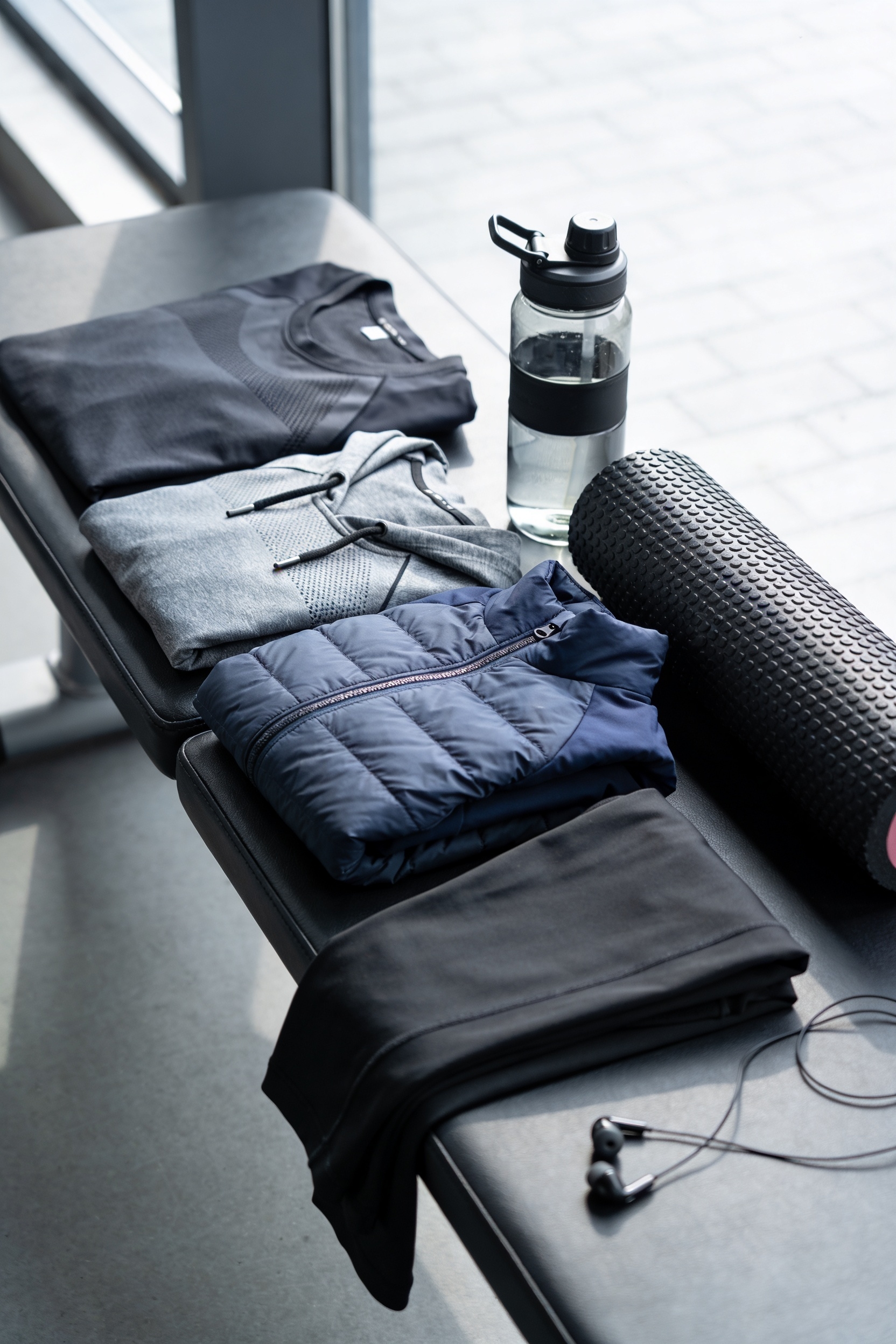
Look, you’ve probably noticed that showing up to the gym in a parka makes you miserable for the first five minutes, then drenched by minute ten—that’s because your body cranks out serious heat once you get moving. Start layered: moisture-wicking base, insulating mid-layer, windproof shell. Peel them off as you warm up. Protect your extremities with gloves and a beanie, watch for sweating through that base layer fast, and you’ll nail that comfort zone instead of freezing or overheating like the rest of us learned the hard way.
Key Takeaways
- Start with a moisture-wicking base layer (polyester-spandex blend) to manage sweat and prevent cotton’s cold-trapping effect.
- Add a loose-fit mid-layer (fleece or lightweight puffer) to trap insulating air while remaining compressible for removal.
- Wear a breathable, windproof outer shell with sealed seams to block elements while allowing sweat escape.
- Protect extremities with insulated gloves, toe socks, and a beanie to prevent heat loss from exposed skin.
- Remove layers strategically as body warms; peel off before overheating (blurred vision, dizziness, rapid sweating signals).
Know Your Temperature and Layer Formula
When you’re heading to the gym in winter, I’m sure you’ve noticed that there’s this weird gap between what the thermometer says and what actually feels survivable, and honestly, that’s where most people go wrong with their layering strategy. Here’s the thing: your body generates heat, so you’re basically running 20 to 25 degrees warmer than the actual temperature outside. That means if it’s 30°F, you’re already operating at around 50°F with respect to comfort.
Now, the temperature ranges matter. At 10-25°F, you’re going three layers deep. Between 26-40°F, base plus shell usually cuts it. The real trick? Start fully loaded and embrace layer removal as your body warms up. Peel strategically. You’ll find your sweet spot faster than you think. When selecting your layers, prioritize materials with moisture-wicking fabrics that keep you dry during intense workouts while maintaining warmth throughout your routine.
Start With a Moisture-Wicking Base Layer
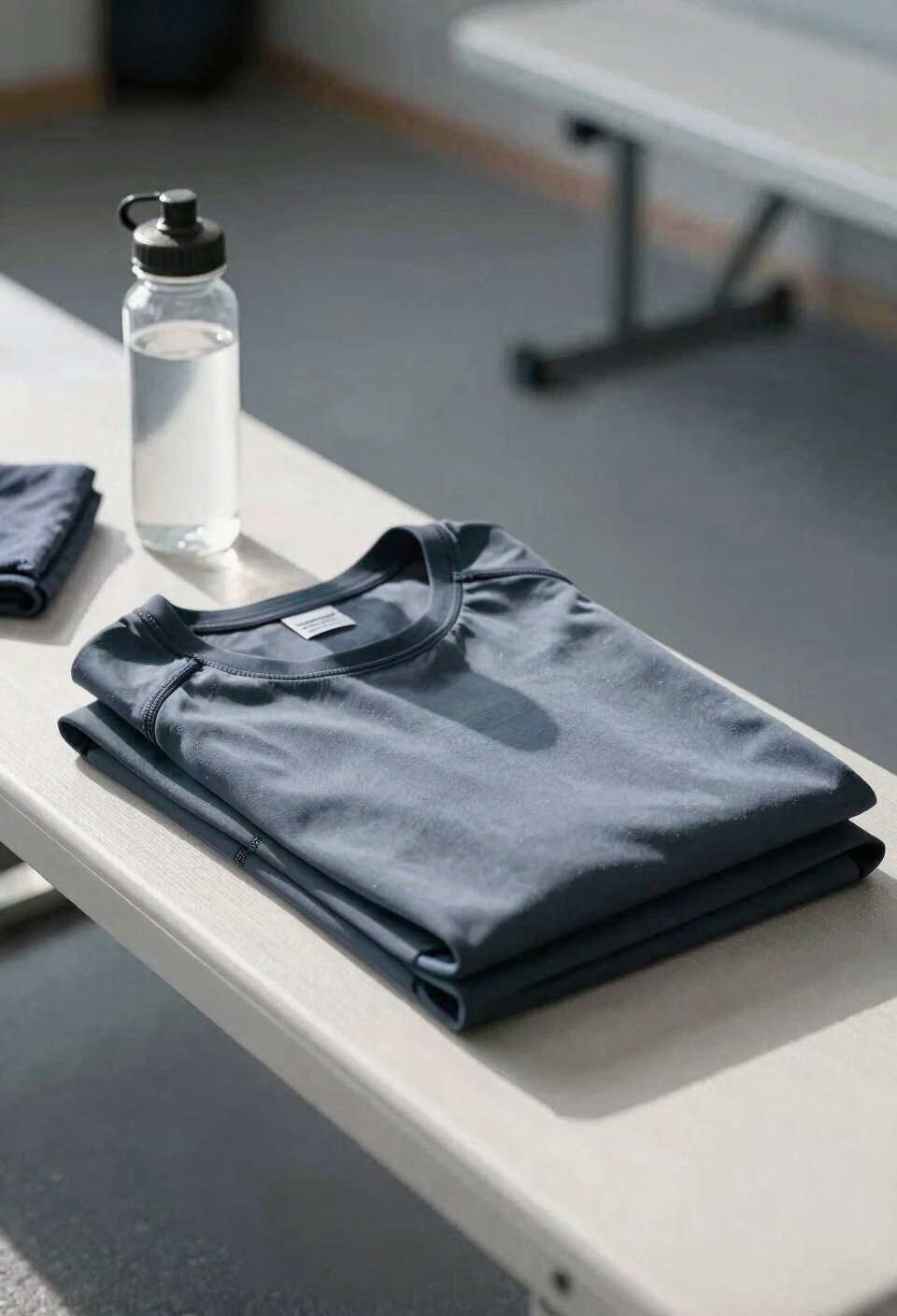
Look, here’s where most people sabotage themselves before they even get to the gym—they slap on a cotton t-shirt under their jacket like it’s still September, then wonder why they’re damp and miserable twenty minutes into their workout.
Your base layer is basically your sweat management system, and I’m sure you’ve noticed that cotton just sits there getting heavier and colder. That’s why shirt selection matters more than you’d think. You need moisture-wicking tech—Nike Dri-FIT, Therma-FIT, whatever brand you trust—something that actually pulls sweat away from your skin instead of trapping it like a sponge.
Grab a long-sleeve compression shirt in lightweight or medium weight. It’s snug against your body, keeps you dry, and honestly? You’ll feel the difference immediately. For winter gym workouts, polyester and spandex blends are particularly effective at maintaining comfort and breathability during physical activities in colder temperatures.
Recommended Products

VERSATILE COLD WEATHER PERFORMANCE - The Pro Long Sleeve Jersey strikes the perfect balance between warmth and breathability, designed for those days where arm warmers are essential, but thermal and protective fabrics aren't.

Active Cooling Technology at base of neck helps keep upper body cool

MAXIMUM COMFORT & FIT: The athletic design and fitted cut offer unparalleled comfort with its 4-way stretch fabric, ensuring the perfect fit for all-day wear. Offset, flat-locked seams provide no-rub comfort, enhancing your wearing experience.
Add a Mid-Layer Fleece or Puffer for Insulation
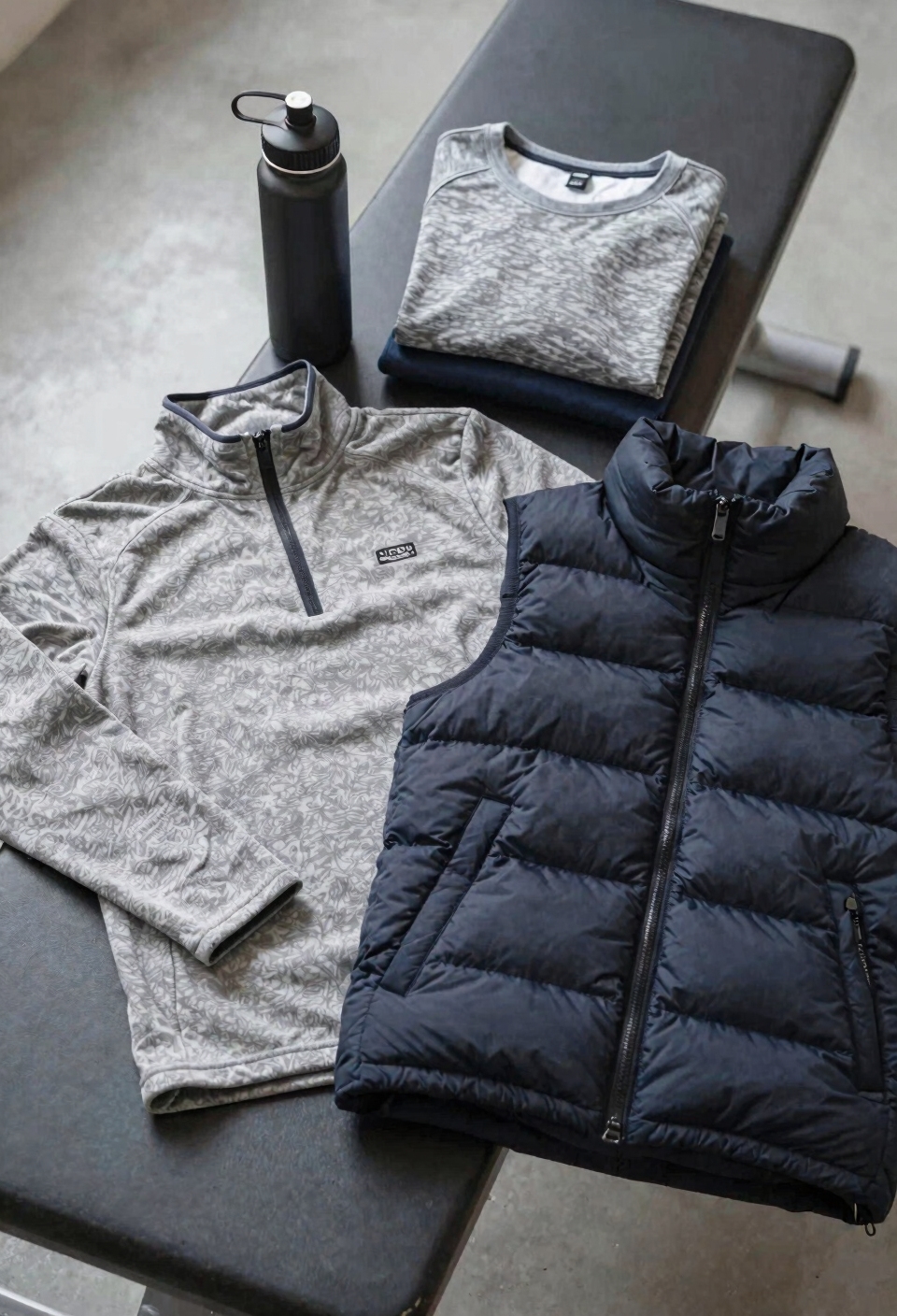
Now that you’ve got your base layer handling the sweat situation, you need something to actually trap heat, and that’s where your mid-layer comes in—think of it as the insulation in your walls, except you’re wearing it. I’m sure you’ve noticed how a fleece or lightweight puffer actually keeps you warmer than you’d expect, and that’s because of smart insulation placement around your core. You want something with a loose fit—tight mid-layers defeat the purpose since they don’t trap air effectively. Go for compressible warmth options like fleece jackets or vests; they’re forgiving enough that you can peel them off once your body warms up during your workout. Merino wool mid-layers offer excellent temperature regulation for winter gym sessions while maintaining breathability as your intensity increases. Honestly, a good mid-layer transforms your entire layering game from “I’m freezing” to “I’ve actually got this figured out.”
Recommended Products

THE ONLY BATHROBE FOR ROBE & NON-ROBE GUYS: A premium luxury men’s comfy and absorbent poly/cotton bath robe with an extra pocket made for guys today, with its hoodie styling. Engineered for comfort, fit and softness – the DudeRobe is stylish and cozy. It’s the perfect robe for lounging by the fire or by the pool. It’s the ideal mid-weight robe that will not weigh you down.

EVERYDAY ESSENTIAL: Warm, cozy, and versatile, this fuzzy fleece vest will be a new go-to.
Choose a Wind and Water-Resistant Outer Shell
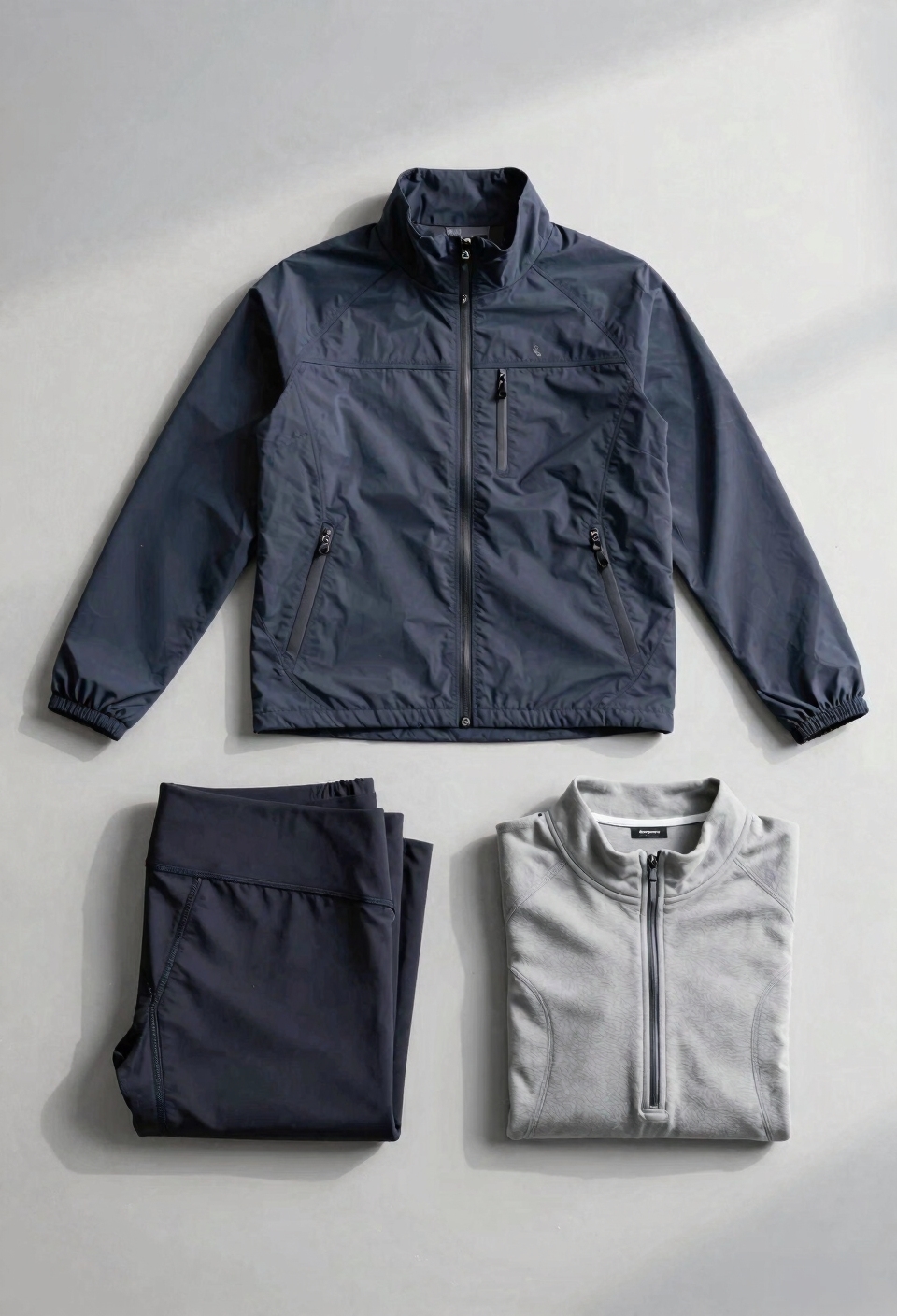
Having dialed in your base and mid layers, you’re probably feeling pretty cozy—but here’s the thing: all that insulation means absolutely nothing if wind and moisture punch right through it, which they absolutely will on your way to the gym or during outdoor conditioning work. You need a shell jacket that actually blocks the elements without trapping sweat like a plastic bag.
Look for windproof zippers and waterproof seams—these aren’t fancy add-ons, they’re the difference between staying dry and becoming a human ice cube. GORE-TEX and nylon materials are your friends here. The most effective shell jackets utilize moisture-wicking technologies similar to those found in premium athletic wear, allowing sweat to escape while maintaining a protective barrier against the elements. I’m sure you’ve noticed how cheap jackets fail the moment things get real. Don’t be that person. A solid outer shell lets moisture escape while keeping wind and snow out, which honestly makes all the difference.
Recommended Products

3-Layer Gore-Tex Pro Shell - Guaranteed To Keep You Dry

ADVANCED TECHNOLOGY: Foul weather gear for oil and gas workers, features petroleum, oil, hot liquid, and steam resistance. All while boasting a 30 cal/cm² CAT 3 arc rating.

Shell made from recycled polyamide and the Gore-Tex ePE membrane made from polyethylene.
Pick Fabrics and Fits That Breathe
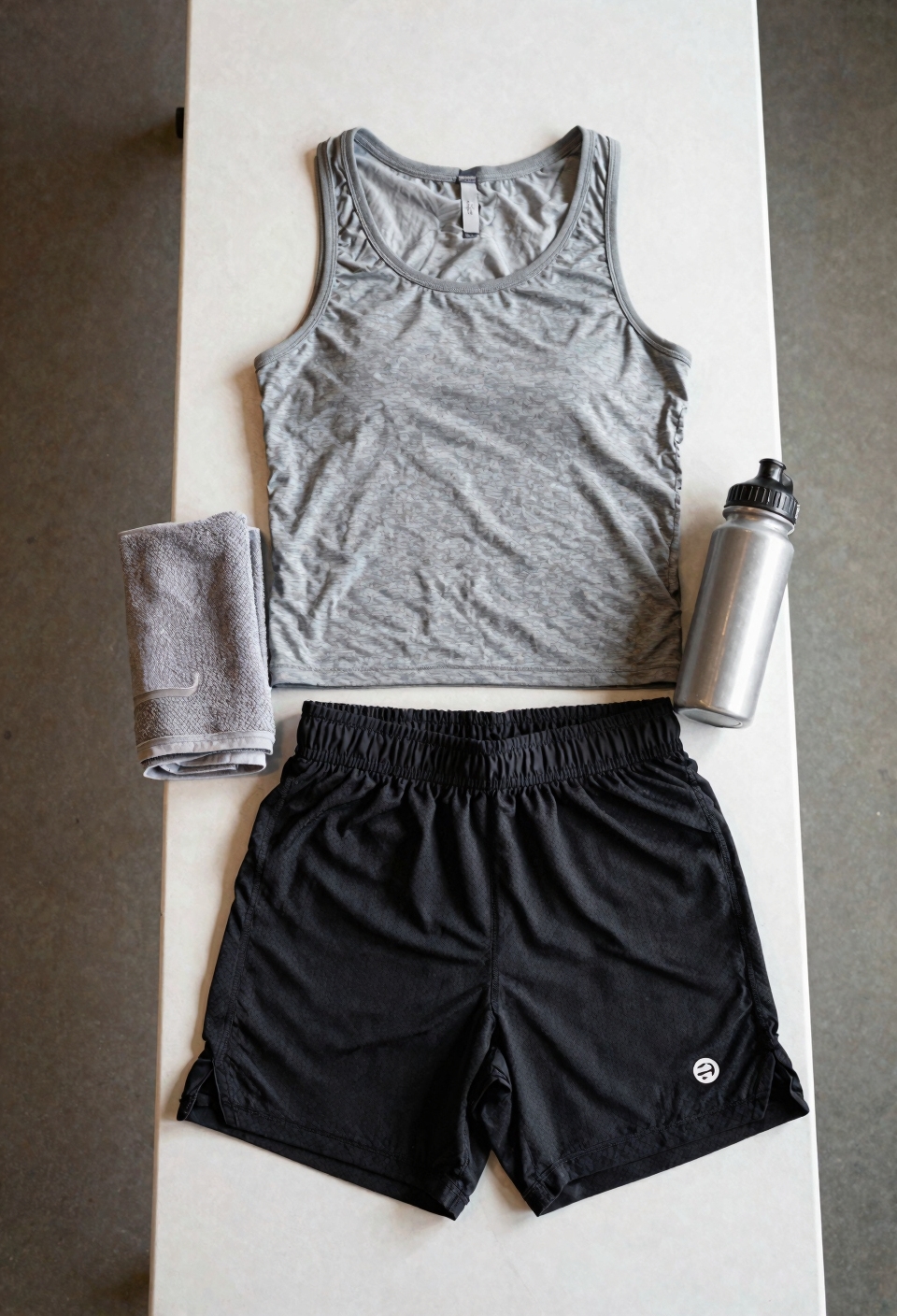
You could spend all the money in the world on your base and mid layers, but if you pair them with a jacket that doesn’t breathe, you’re basically creating a sauna inside a freezer—and that’s exactly how you end up cold, clammy, and miserable halfway through your workout.
I’m sure you’ve noticed how synthetic fabrics with decent fabric stretch let your body move naturally without restriction. Now, here’s where seam placement actually matters: strategically positioned seams prevent rubbing and chafing when you’re layering multiple pieces. Look for jackets with flat-lock stitching that won’t dig into your skin. Premium materials featuring four-way stretch capabilities enhance your range of motion while maintaining durability through rigorous winter workouts.
All right, the sweet spot? Materials like GORE-TEX or quality nylon that shed water while letting moisture escape. Your body generates heat—don’t trap it. Breathability isn’t optional; it’s survival.
Recommended Products

144 Pack, ships in a carton with 24 six packs

Marmot NanoPro for reliable waterproof and breathable protection

Performance Insulation for All Conditions - This women’s light jacket features resilient Coreloft Compact 60 insulation, engineered to retain warmth even in wet conditions—perfect for chilly forest hikes with windy summits, climbing at the crag, hanging at the campsite, or wet winter objectives.
Keep Hands, Feet, and Head Warm in Cold Conditions
There’s something almost cruel about how your body will abandon your extremities the moment temperatures drop—I’m sure you’ve noticed that your core stays reasonably warm under all those layers while your fingers feel like they’re turning into popsicles. I mean, it’s brutal.
Now, here’s what actually works: grab gloves with thumb warmers built in, seriously game-changing stuff. For your feet, toe socks aren’t just some gimmick—they’re legitimately the difference between enjoying your workout and counting down minutes until you can thaw. Bamboo fabrics can hold up to three times their weight in water, making bamboo cushioned socks an excellent choice for moisture management and comfort during cold-weather exercise. Obviously, a beanie matters too; losing heat through your head is real science, not some old wives’ tale.
All right, protect those extremities and you’re golden.
Recommended Products

DESIGNED FOR: The Heater Gauntlet Mitt is designed for outdoor activities on chilly winter days, for both resort lift-served skiing and when you’re a little further away from the prepared slopes. The backhand is designed with integrated heating loops on finger area and thumb and are easily adjustable to keep hands comfortably warm. Also available in a 5-finger glove model.

MEN’S HEATED LEATHER GLOVES - Therm-Ic heat gloves help you keep your hands warm by stimulating your fingers with warmth impulses. This encourages your body to keep blood flow at a high level

THE HYDRA THERMAGRAPH JACKET - From sub-zero to springtime, this men's snowboard jacket has got your back with Thermagraph Body Mapping Insulation that creates the ultimate do-it-all jacket, plus the asymmetrical zipper adds that extra something
Recognize Overheating and Cold Signals to Adjust in Real Time
Once you’ve got your extremities locked down with those gloves and toe socks, the real challenge becomes figuring out whether you’re actually warm enough or if you’re about to turn into a sweaty mess mid-squat. I’m sure you’ve noticed that your body’s signals aren’t always reliable—sometimes skin tingling means you’re too cold, sometimes it means circulation’s finally returning. Watch for vision blurring or dizziness, which screams overheating. Now, here’s the thing: you’ve gotta listen to yourself mid-workout. If you’re sweating through your base layer within five minutes, peel that mid-layer off immediately. Conversely, if you’re shivering after thirty minutes of intense cardio, something’s wrong with your setup. Obviously, adjust before you’re miserable either way. Investing in moisture-wicking fabrics will help prevent excessive sweat buildup that can make layering adjustments more difficult during your workout.
Frequently Asked Questions
Can I Wear the Same Layering Setup for Both Indoor Gym and Outdoor Winter Workouts?
You’ll need indoor adjustments since gym workouts require less insulation. I’d skip the shell jacket indoors and rely on a breathable base with a light mid-layer. Outdoors, you’ll want the full three-layer system for wind protection.
What’s the Best Way to Store or Carry Layers I Remove During My Workout?
Like a snake shedding its skin, I’ve learned I can stash removed layers in pack cubes or hang them on locker hooks. This keeps my workout space organized while I stay focused on training.
How Often Should I Wash My Moisture-Wicking Base Layers to Maintain Their Performance?
I’d wash my machine washable base layers after every wear to prevent odor buildup and maintain their moisture-wicking performance. For odor control tips, I’ll air-dry them and store in a breathable space.
Are There Specific Layering Recommendations for Different Types of Winter Workouts Like Running Versus Strength Training?
I’d literally freeze solid without tailoring my layers to each workout. For running, I strip down with breathable midlayers for high intensity. Strength training? I keep more insulation since I’m moving less and generating less body heat overall.
Can I Substitute Regular Athletic Wear for Technical Layering Pieces in Cold Weather?
I wouldn’t recommend it. Regular athletic wear lacks proper fabric breathability and disrupts your layering hierarchy. You’ll trap moisture against your skin, get chilled, and compromise temperature regulation during winter workouts.
Conclusion
Look, I’m sure you’ve noticed that roughly 30% of winter gym-goers quit by February—and I’d bet half of them bailed because they were either freezing or sweating through their clothes. The layering game isn’t complicated, but it matters. You’ve got your base, your insulation, your shell, and boom—you’re golden. Strip layers as you warm up, add them back when you cool down. Simple as that.