As an Amazon Associate, we earn from qualifying purchases. Some links on this site are affiliate links at no extra cost to you. Our recommendations are based on thorough research and editorial judgment.

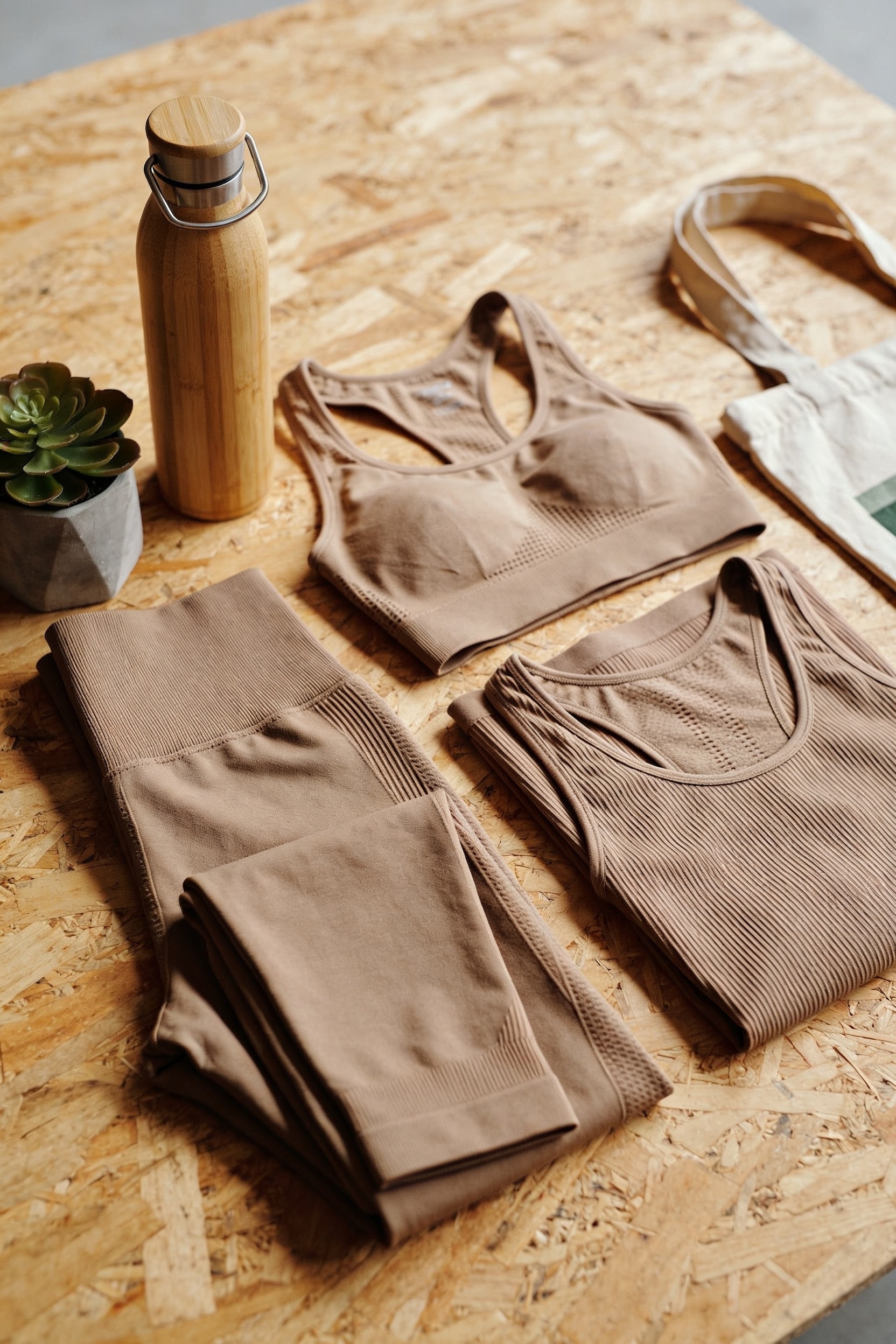
What Are the Best Eco-Friendly Gym Wear Brands?

Look, I’m sure you’ve noticed your gym clothes shed microplastics like crazy and somehow still reek after a wash—yeah, that’s a problem. The best eco-friendly brands depend on what matters most to you: Icebreaker crushes durability with merino wool, Mate The Label nails organic cotton for sensitive skin, Paka sources ethically from Peru, and Pangaia ditches synthetics entirely with plant-based nylon. Budget-conscious? AYA and Reprise keep prices real while staying plastic-free. Buy direct from their websites to actually support their mission, then care for your gear properly—cold water, gentle cycles, air dry—and you’ll basically double its lifespan, which frankly makes the whole sustainability thing actually work.
Key Takeaways
- Icebreaker specializes in durable merino wool activewear with supply-chain transparency tracing materials to specific farmers.
- Mate The Label uses 92% organic cotton with low-impact dyes and holds both Climate Neutral and B Corp certifications.
- Paka sources alpaca wool and Tencel from family-run Peruvian farms with pricing ranging from $9–$189.
- Pangaia creates plant-based nylon from corn and castor beans, using peppermint oil for natural odor control.
- Budget-friendly alternatives like AYA and Reprise offer sustainable, breathable activewear without premium pricing.
Why Sustainable Activewear Matters for Your Health and the Planet
When you’re sweating through your third workout of the week, I’m sure you’ve never once thought about what’s actually touching your skin—but here’s the thing: you probably should. Conventional activewear sheds microfiber pollution with every wash, meaning tiny plastic particles end up in our waterways and, honestly, probably in you too. Meanwhile, synthetic fabrics can trap heat and mess with your indoor air quality, especially in that sweaty yoga studio you frequent. Sustainable activewear made from organic cotton, merino wool, or plant-based materials? They breathe better, break down naturally, and don’t leach toxins onto your skin. Bamboo fabrics, in particular, can hold up to three times their weight in water, providing exceptional moisture-wicking properties that keep you dry and comfortable. I mean, you’re already putting your body through the wringer at the gym—why not give it gear that won’t sabotage you further?
Choose Your Brand by Priority: Durability, Price, Certifications, or Specialty Materials
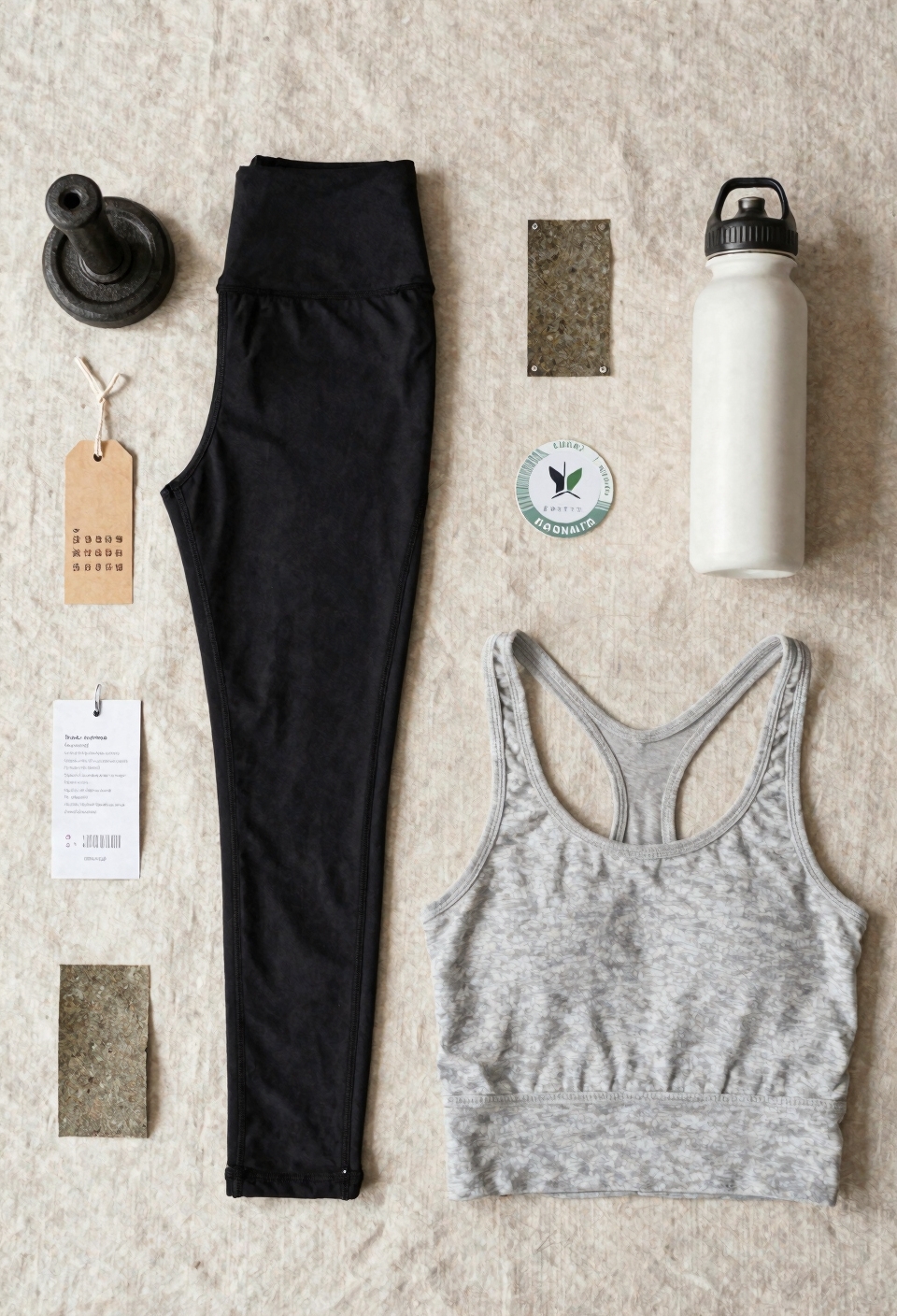
Since you’re already making the eco-friendly choice to ditch conventional activewear, you’ve got another decision ahead—and honestly, it’s kind of like picking a gym membership, except way less soul-crushing. Now, here’s where I’m sure you’ve noticed that price comparison matters. Brands like Paka run $9 to $189 depending on what you’re after, while Mate The Label hovers around $60-$100. But cheap doesn’t mean disposable—durability testing proves merino wool from Icebreaker outlasts most synthetics by miles. Premium fabric blends with four-way stretch capabilities offer superior breathability and moisture management compared to standard options. Obviously, certification meaning varies; B Corp and GOTS actually mean something. Material sourcing tells you about brand ethics too. I mean, do you want plant-based nylon or organic cotton? Fit options differ wildly. Pick your priority, and you’ll find your perfect match.
Recommended Products

DESIGN: An everyday comfy men’s zip-up sweatshirt that blends natural merino wool with organically grown cotton, the Central Classic Long Sleeve Zip Hoodie is durable, breathable, and incredibly versatile, ideal for camping, hiking and everyday comfort wear.

QUALITY EXPEDITION BASELAYER: 100% Merino Wool is super soft and extremely comfortable. This merino wool crew neck thermal has the versatility and warmth to make this an essential part of your outdoor gear. ENVIRONMENTALLY FRIENDLY: The best in easy care technology means your merino wool is machine washable and dryable. Our 100% Merino Wool is a renewable fabric. Its moisture-wicking properties mean you won't have to wash it as often so you'll use even less water.
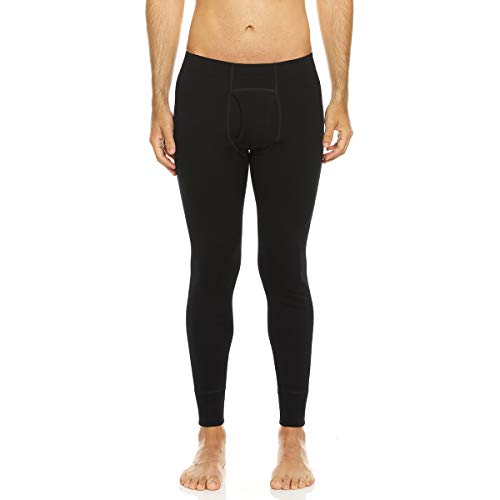
QUALITY EXPEDITION BASELAYER: 100% Merino Wool is super soft and extremely comfortable. This merino wool thermal bottom has the versatility and warmth to make this an essential part of your outdoor gear. ENVIRONMENTALLY FRIENDLY: The best in easy care technology means your merino wool is machine washable and dryable. Our 100% Merino Wool is a renewable fabric. Its moisture-wicking properties mean you won't have to wash it as often so you'll use even less water.
Icebreaker: Durable Merino Wool Activewear Built to Last
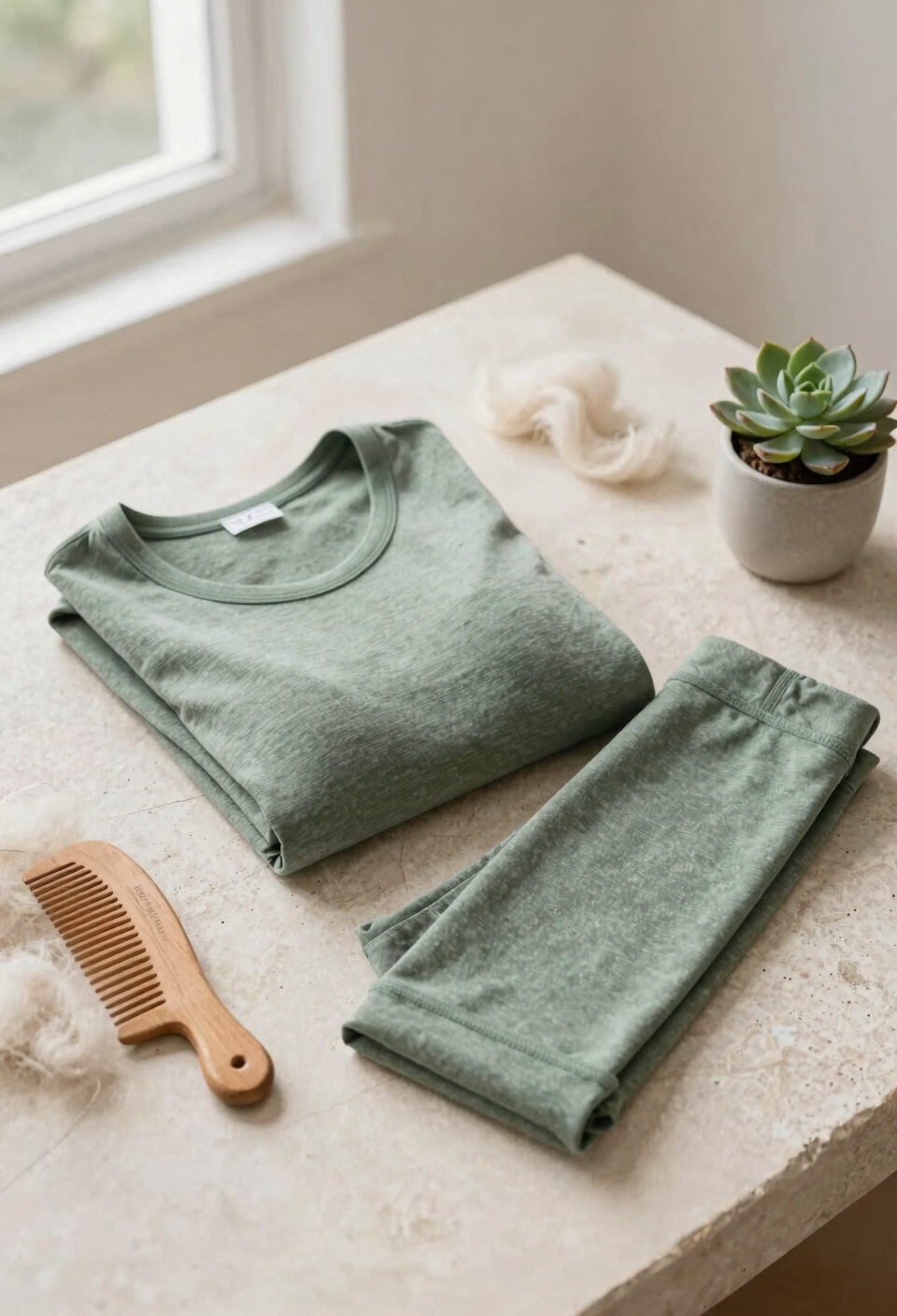
Icebreaker’s merino wool activewear is basically what happens when you stop fighting against what actually works and just lean into it. I’m sure you’ve noticed how most synthetic gear either gets rank or falls apart after a season, right? Not here. Their merino pieces handle longevity testing like champions because the material’s just built different—it regulates temperature across seasons, so you’re getting seasonal versatility without swapping your whole wardrobe. The wool won’t itch you into oblivion either, which honestly shocked me the first time I wore it. With proper care instructions for merino wool, including hand washing and air drying, your pieces will maintain their quality and freshness through countless wears. Now, what really sold me is how they trace everything back to specific farmers, ensuring ethical practices throughout. You’re not just buying durable activewear; you’re investing in something that’ll actually last and won’t make you feel guilty about where it came from.
Recommended Products

RESPONSIBLY SOURCED 100% Virgin Merino wool

MIDWEIGHT 100% MERINO WOOL base layer ideal for cold weather activities

LIFA STAY WARM TECHNOLOGY combines breathable warmth with the unique moisture management properties of the versatile LIFA Merino crew that adapts to any type of cold weather
Mate The Label: Certified Organic Cotton for Sensitive Skin
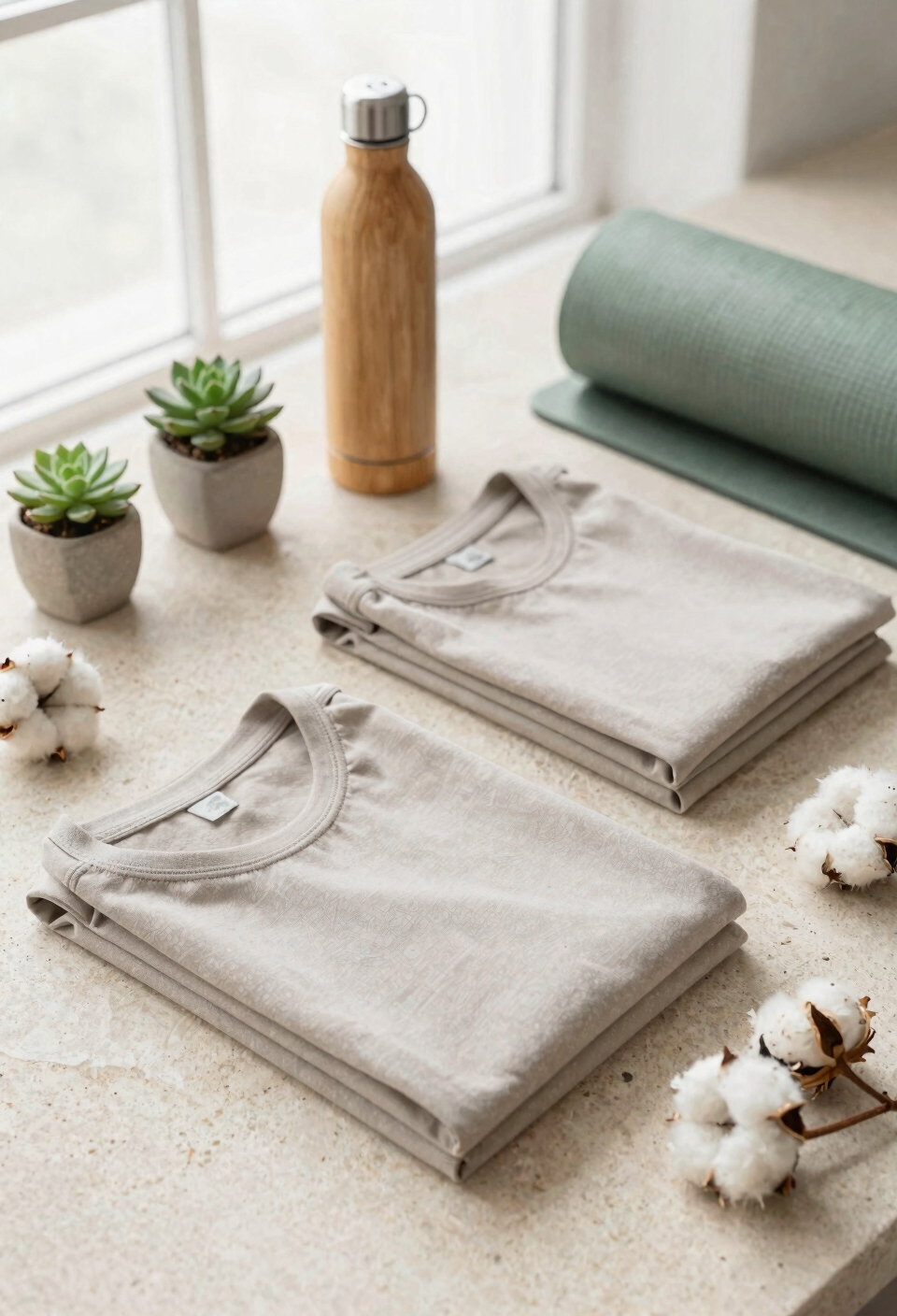
If you’ve got skin that throws a fit every time synthetic fabric touches it, Mate The Label’s basically the answer you’ve been looking for. Their activewear’s 92% organic cotton with just enough spandex to actually move in, and I’m sure you’ve noticed how regular gym clothes feel like plastic wrap compared to this stuff.
Now, what really sets them apart is their dye transparency and organic breathability. They use low-impact dyes throughout their process and maintain this impressively strict restricted substances list that keeps toxins completely out of the supply chain. All right, the price hovers around $60 to $100, which isn’t cheap, but you’re getting Climate Neutral and B Corp certified gear that won’t make your skin rebel. Like other premium activewear options, their breathable fabrics prevent overheating during intense workouts while promoting comfort and skin health. Honestly, that’s worth it.
Recommended Products

Heavy cotton flannel shirt.

Responsible Collection: Recycled/Repurposed, Organic Materials

Flannel top ready for whatever adventure your day has in store
Paka: Alpaca Wool and Tencel From Ethical Peruvian Sources
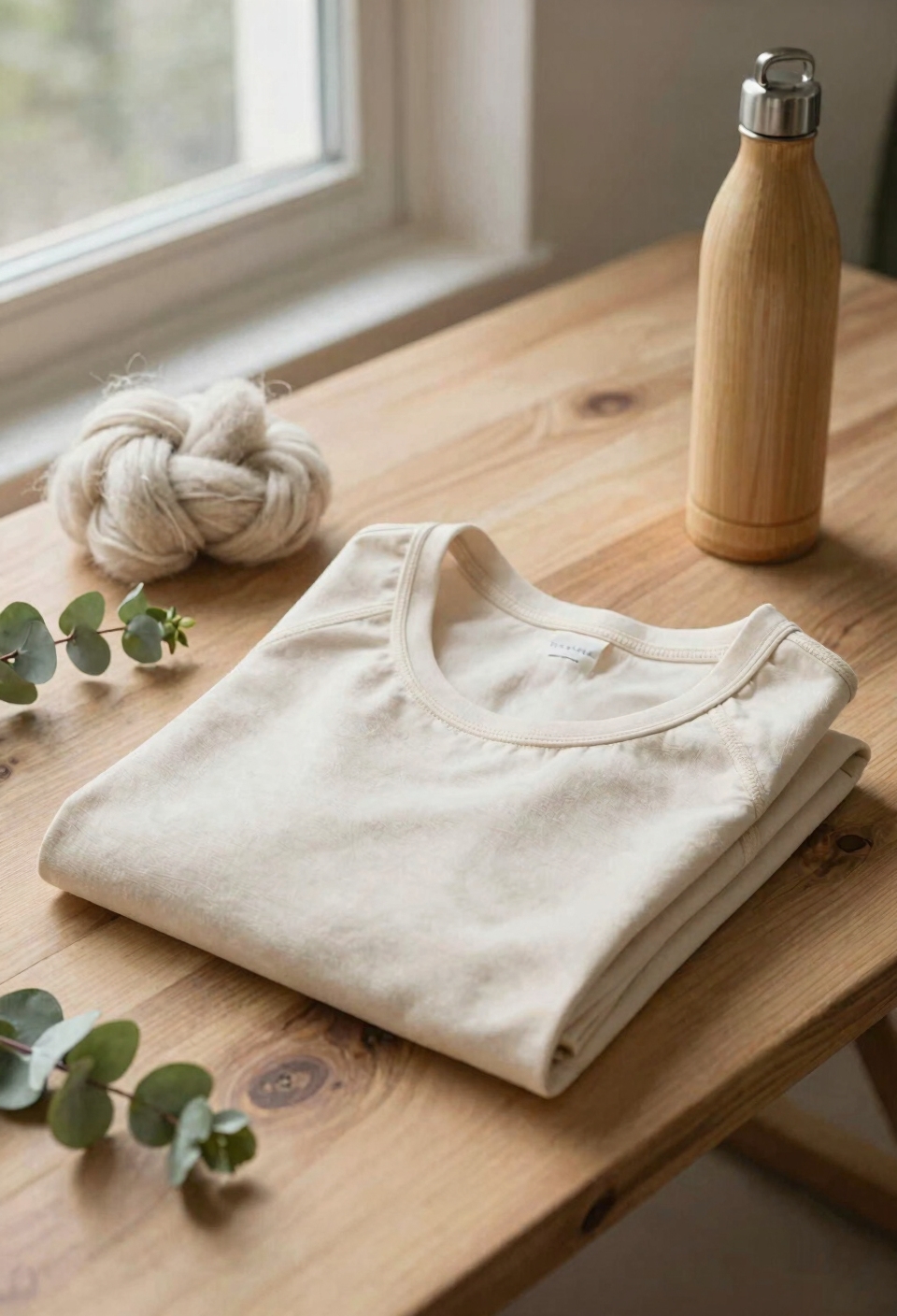
Paka takes a completely different approach than Mate’s cotton-focused philosophy, and honestly, I think that’s where things get interesting. You’re getting alpaca wool paired with Tencel, which means you’re working with materials that actually breathe differently than straight organics. The alpaca provenance matters here—they’re sourcing from family-run farms in the Andes, so you know exactly where your gear’s coming from. Now, I’m sure you’ve noticed how many brands throw around “ethical sourcing” without backing it up. Paka doesn’t do that. They’ve got Peruvian artisans handling the artisan tanning and knitting locally, which keeps money in communities rather than shipping everything overseas. All right, price-wise you’re looking at $9 to $189, so there’s something for most budgets. It’s B Corp certified too, which I mean, that actually counts for something. The moisture-wicking fabrics used in their collections ensure that sweat is effectively transferred away from your skin, maintaining comfort during high-intensity workouts while preserving the integrity of the alpaca and Tencel blend.
Recommended Products

MOVE LIGHTEST: Alpaca fiber is naturally lightweight but durable. Comfortably pack alpaca tops and bottoms and travel with single backpack that can last from weeks to months.

PREMIUM MERINO WOOL FOR OUTDOOR PERFORMANCE: Made from 100% Merino Wool, this short sleeve merino wool shirt offers breathability and moisture-wicking properties. It keeps you dry, comfortable, and well-regulated during outdoor activities like hiking, running, or casual wear. The natural properties of merino wool make it perfect for all-season wear, and it’s an excellent option for merino wool shirts for women and hiking shirts.

Pangaia: Plant-Based Performance Wear Without Synthetics
While Paka’s betting everything on natural fibers from the Andes, Pangaia’s taken a hard left turn into the future—and I mean that as a compliment. They’re making stretchy sportswear from PLNTNYLN, which is basically plant-based nylon sourced from corn and castor beans. I know what you’re thinking: plant-based durability sounds like marketing speak, but here’s the thing—it actually performs. What really gets me is their peppermint odor control treatment. Instead of synthetic antimicrobials, they’re using natural peppermint oil to prevent bacteria buildup, which means you’re not marinating in chemical nastiness during your workout. As a B Corp with audited factories, they’ve got the credibility to back it up. Like quality Disney workout gear, Pangaia prioritizes moisture-wicking fabrics to ensure comfort and dryness during intense physical activity. You’re getting performance wear that doesn’t compromise your skin or the planet.
Recommended Products

SCULPTING HIGH WAISTED FIT: Available in both leggings and shorts, and offered in a range of colors and sizes, these high waisted leggings provide core support and a contour-enhancing fit that flatters every body. Ideal for confidence in motion, they are an essential in leggings for women, yoga pants for women, and women's leggings wardrobes.

QUALITY MICRO WEIGHT BASELAYER: Functions like long underwear but dont look like underwear. Excellent as a solo layer or base layer. ENVIRONMENTALLY FRIENDLY: The best in easy care technology means your Woolverino is machine washable and dryable. Our Woolverino has moisture-wicking properties and that means you wont have to wash it as often so youll use even less water.

Skin-Friendly Material: Stretchy, comfortable foot-hugging knit offer the breathability&flexibility no matter whether you wear the socks or not.
AYA and Reprise: Budget-Friendly Plastic-Free Alternatives
Now, if you’ve been paying attention to all this plant-based nylon and merino wool talk, you’re probably wondering whether going eco-friendly means you’ve got to drop serious cash every time you need new gym shorts—and here’s the good news: it doesn’t.
AYA and Reprise are your budget basics heroes, proving that plastic-free activewear doesn’t require emptying your wallet. AYA specializes in organic cotton that’s genuinely soft, perfect for sensitive skin and workout comfort without the synthetic itch. Reprise takes a different route with Tencel, which actually uses less water than regular organic cotton while keeping toxins completely out of the equation. Both brands prioritize breathable materials that help regulate body temperature during workouts, ensuring comfort without premium pricing.
I’m sure you’ve noticed most eco-friendly brands skew pricey, but these two nail that sweet spot where your conscience and your bank account can finally agree on something.
Where to Buy and How to Care for Your Eco-Friendly Gear
So where do you actually buy this stuff, and once you’ve got your eco-friendly gear, how do you keep it from falling apart after three washes?
Most of these brands sell directly through their websites, which honestly makes things easier—you’re not hunting through random online retailers wondering if what you’re grabbing is legit. I mean, you could find them on the usual suspects like Amazon or specialty eco shops, but buying direct supports the company’s mission better anyway.
Now, here’s the thing: check those care symbols on your tags. Merino wool and Tencel aren’t your grandmother’s cotton, so they’ve got specific requirements. Cold water, gentle cycles, air drying—basically treat them like they’re slightly fancier than they actually are. I’m sure you’ve noticed how proper care basically doubles the lifespan of anything you own. Just like with performance-oriented activewear, examining seam construction before each wear helps you catch potential durability issues early and keep your investment in quality eco-friendly gear lasting longer.
Frequently Asked Questions
How Do Merino Wool and Alpaca Wool Compare in Terms of Temperature Regulation and Odor Resistance?
I find merino warmth excels at temperature regulation and odor resistance through natural antimicrobial properties, while alpaca softness prioritizes comfort and insulation. Both regulate body temperature effectively, but merino’s odor-fighting advantages make it superior for intense workouts.
What Is the Environmental Impact of Tencel Production Versus Organic Cotton Cultivation?
Sure, you’d think cotton’s “natural,” but it’ll drown you in pesticides. Tencel sourcing from wood pulp? I’m telling you, it actually uses less water and keeps toxins out—making it genuinely kinder to our planet.
Are Bio-Based Nylon Fabrics Like PLNTNYLN as Durable as Traditional Synthetic Materials?
Bio-based nylon like PLNTNYLN offers solid biobased durability for activewear. While performance comparison shows it’s competitive with traditional synthetics, longevity depends on care and usage intensity. I’d say it’s reliable for regular workouts.
How Often Should Eco-Friendly Activewear Be Washed to Maintain Longevity and Minimize Environmental Impact?
I’d picture your activewear absorbing sweat like a sponge—wash it every 2-3 wears. I’ve found using eco-friendly, plant-based detergents preserves fabrics while reducing environmental impact. This washing frequency maximizes longevity and sustainability simultaneously.
What Certifications Should Consumers Prioritize When Evaluating Sustainable Activewear Brands?
I’d prioritize GOTS Certification for organic cotton, OEKO TEX Standard 100 for toxin safety, Bluesign Approved for clean dyeing, and Fair Trade to guarantee ethical worker practices throughout production chains.
Conclusion
Look, I’m sure you’ve noticed how a cheap synthetic shirt falls apart after three washes while your dad’s old cotton t-shirt‘s still kicking around. That’s basically what you’re investing in here—gear that actually sticks around. You’ll spend more upfront, obviously, but you’re not replacing workout clothes every season like some kind of fast-fashion hamster wheel. That’s the real win.